Wizz Air’s Financial Resilience and Growth Amid Challenges
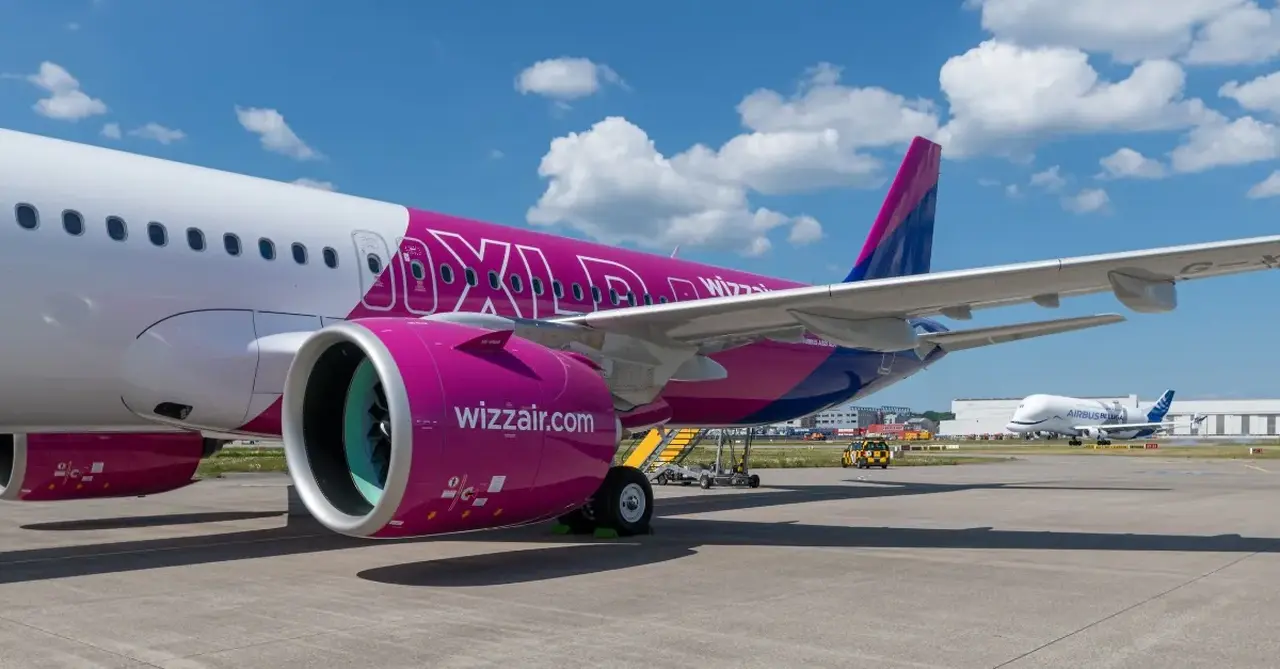
Wizz Air has reported an uplifting projection of a “breakeven to slightly positive” net profit for the financial year ending March 31, showcasing a notable improvement in terms of net income against previous forecasts. This positive shift is attributed to a combination of stronger underlying revenues and a well-hedged approach to macro-economic factors.
Strong Liquidity Position and Capacity Growth
The airline concluded the financial year with a robust liquidity position, declaring a total cash amount of €2.1 billion. As Wizz Air navigates through the challenges posed by the ongoing conflict in the Middle East, it has proactively adapted by cutting fares to stimulate customer demand. This strategic move indicates a deep understanding of market dynamics and a commitment to ensuring accessibility for travelers.
Positive Forward Bookings and Expansion Plans
Looking ahead, Wizz Air’s current scheduled capacity for the first half of the year stands at 51 million seats, reflecting a significant 28% year-on-year increase. Forward bookings are promising, with 44% already sold, which is 2 percentage points higher than the previous year. This positive trend is a direct result of the airline’s ongoing development of its network, including enhancements across existing markets and the introduction of new operating bases focused on leisure demand.
Leadership and Strategic Adaptation
Chief Executive Jozsef Varadi emphasized the airline's proactive strategy in response to current geopolitical challenges. He highlighted the strong demand trends through the upcoming peak summer period, reinforcing Wizz Air’s capability to pivot affected capacity to core markets effectively. With a highly fuel-efficient fleet and advantageous financial positions, the airline is well-poised to continue its expansion and maintain its competitive edge in the rapidly growing Central and Eastern European region.
Amid challenges, Wizz Air’s commitment to adapting while ensuring growth demonstrates its resilience and strategic foresight in an evolving aviation landscape.

