Whales' Comeback: How Older Males Are Winning the Mating Game
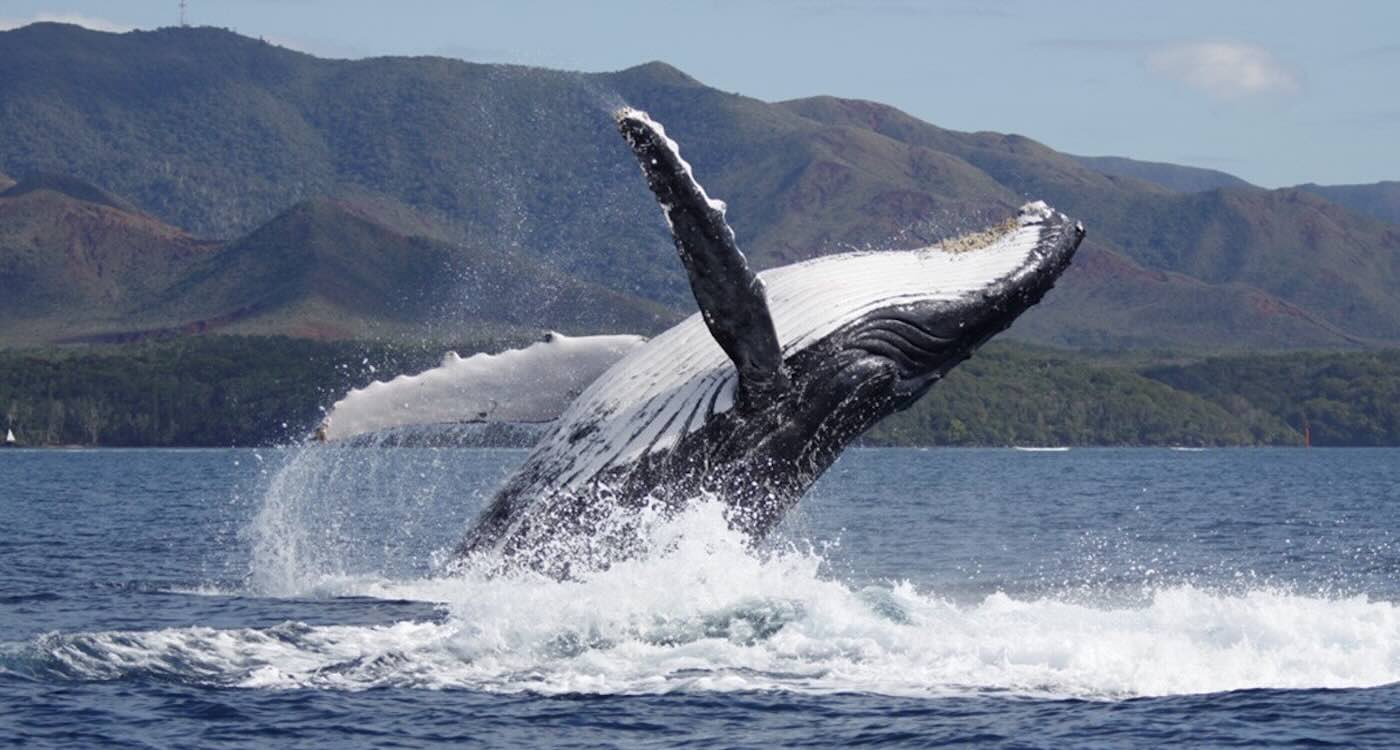
Recent research reveals an intriguing twist in the reproductive dynamics of humpback whales: older male whales are proving to be more successful at mating than their younger counterparts. This insight, derived from an international study led by the Sea Mammal Research Unit at the University of St. Andrews, highlights not only the vocal prowess of older whales but also their advantage in the competition for reproduction.
The Power of Experience
The study sheds light on how older male humpbacks possess refined singing skills that bolster their mating prospects. As the population recovers from historical whaling, researchers have observed that females may be becoming more selective in choosing their mates. This behavioral shift gives experienced males with superior singing abilities a distinct edge in reproduction, contributing to a notable increase in the number of calves birthed by older males.
Recovering Populations and Changing Dynamics
With humpback whale numbers now surpassing pre-whaling levels in regions like Australia, the implications of this research are far-reaching. The findings demonstrated that during the early stages of population recovery, younger males were predominant. However, as the population grew and older males became more prevalent, their success in fathering young surged. This shift raises important questions about how species adapt and evolve following significant environmental pressures such as commercial whaling.
Innovative Research Methods Uncover New Insights
Using advanced genetic analysis, researchers were able to assess paternity and estimate the ages of individual whales with precision. This groundbreaking work not only uncovers the hidden dynamics of whale breeding practices but also emphasizes the ongoing legacy of whaling, which continues to shape competition and reproductive behaviors long after the cessation of hunting activities.
A New Era for Humpback Whales
The resurgence of humpback whales is not just a story of population growth; it is a testament to the resilience of nature. The ability of older males to thrive in mating contests reflects a sophisticated evolution of behavior in response to our changing environment. As we observe these magnificent creatures adapting to their new reality, it highlights the significance of continued conservation efforts and research to ensure their future.

