US Military Reaffirms Commitment to Asia Amid Global Challenges
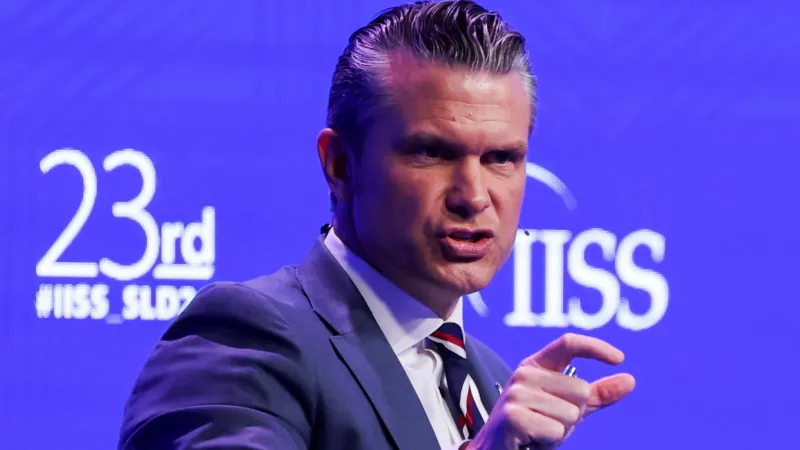
In a significant address at the Shangri-La Dialogue in Singapore, US Defence Secretary Pete Hegseth reassured Asia-Pacific allies of America’s unwavering commitment to the region despite its global obligations, particularly in light of the ongoing war in Iran. His remarks came after productive discussions between US President Donald Trump and Chinese President Xi Jinping, reflecting a broader intent to foster stability through cooperative engagement.
Strengthening Alliances
Hegseth emphasized the importance of collaboration with regional partners, specifically highlighting recent increases in military spending among allies such as South Korea, Japan, Australia, and the Philippines. By setting a target of 3.5% of GDP for defense spending, Hegseth aims to bolster interoperability and readiness among US allies, underlining the notion that shared responsibility is essential for collective security.
A Shift in Tone Towards China
This year’s discourse marked a notable shift in Hegseth’s tone regarding China. While acknowledging the challenges posed by China's military growth, he also recognized that Asian allies favor a balanced power dynamic, one that prevents any single nation from enforcing hegemony. This perspective is vital for ensuring long-standing peace and prosperity in the region, allowing nations to navigate their relationships with both the US and China more effectively.
Promise of Dialogue and Stability
The forum, a crucial platform for defense and security discussions, saw Vietnam’s President To Lam call for more dialogue to mitigate tensions. Hegseth’s assertion that the US approach combines "measured strength" with a desire for stability positions the United States as a partner willing to engage in constructive conversations while concurrently enhancing its military capabilities.
As the international landscape evolves, the US's initiative to strengthen defense ties within Asia could serve as a model for cooperative security frameworks, balancing military preparedness with diplomatic engagement. Such an approach could be key to navigating the complexities of modern geopolitical relationships and enhancing overall regional stability.

