U.S.-Iran Ceasefire: A Promising Step Towards Peace and Economic Stability
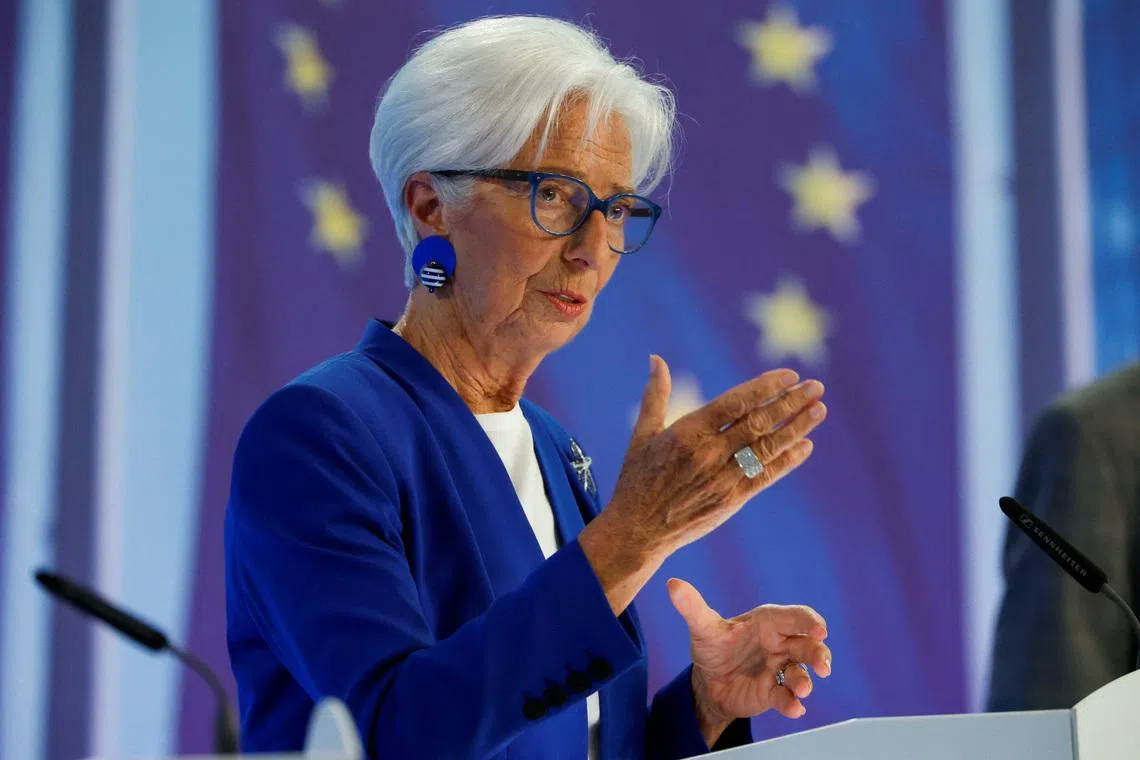
The announcement of a U.S.-Iran ceasefire marks a pivotal moment not only for the geopolitical landscape but also for the economic recovery in the Eurozone. ECB President Christine Lagarde has expressed cautious optimism regarding the potential reopening of the Strait of Hormuz, a crucial artery for energy shipments that has suffered due to ongoing hostilities.
Positive Impacts of the Ceasefire
The ceasefire, if solidified with a formal agreement, is anticipated to bring significant changes to oil prices and market expectations. Following the announcement, oil prices began to decline, suggesting that financial markets are beginning to factor in the possibility of increased oil supply and reduced geopolitical tensions. This could lead to lower energy costs for consumers and businesses in the Eurozone, subsequently easing inflationary pressures.
Central Bank Reactions
Lagarde's welcoming statement reflects a broader sentiment within the European Central Bank (ECB) that the ceasefire could bring about economic relief. Despite acknowledging that inflation will not immediately subside, the overall market response indicates hope for a more stable economic environment. Financial investors have adjusted their forecasts, now anticipating fewer interest rate hikes over the next year, signaling a shift towards a more optimistic economic outlook.
Long-Term Implications
While challenges remain, particularly regarding the restoration of oil supply to pre-war levels, the ceasefire stands as a testament to the power of diplomacy and the potential for reduced conflict. It illustrates how international agreements can positively influence global markets and economic stability, providing a glimmer of hope for many affected by rising costs and uncertainty.

