Unveiling the Marvels of Elephant Whiskers: Nature Inspiring Technology
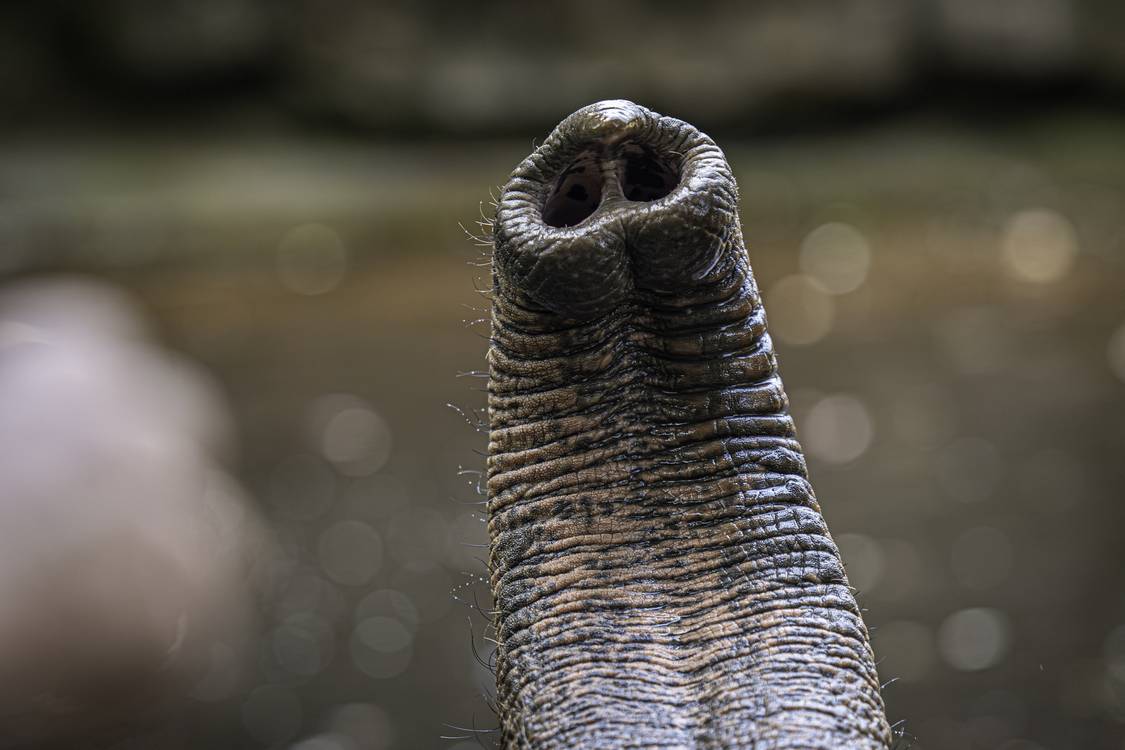
Recent research has shed light on the remarkable functionality of elephant trunk whiskers, highlighting how these sensory structures are paving the way for innovative advancements in robotics. Scientists have discovered that the 1,000 hair-like projections on an elephant's trunk possess unique qualities that enhance its incredible sense of touch, allowing it to interact with surprisingly delicate objects, such as peanuts and tortilla chips, with remarkable precision.
Understanding the Science Behind Sensory Whiskers
The whiskers of elephants are distinct, featuring a stiffness gradient that differs from the uniformly stiff whiskers of other animals, like rats and mice. According to Dr. Andrew Schulz, the team leader of the research, this gradient enables elephants to discern where contact occurs along each whisker. It not only enhances their tactile acuity but also allows them to navigate their environment effectively, showcasing a prime example of nature's design intelligence.
Applications in Robotics and Intelligent Systems
This groundbreaking discovery has excited researchers who now aim to translate these natural principles into robotic technologies. The insights gleaned from the study could lead to the development of bio-inspired sensors that mimic the elephant's intricate whisker structure. Dr. Schulz noted that these advanced sensors could offer precise spatial awareness and object manipulation capabilities in robots, significantly enhancing their functionality with minimal computational requirements.
A Leap Towards Innovative Technologies
The implications of this research extend beyond understanding elephant biology. The potential applications in robotics exemplify how studying animal adaptations can lead to revolutionary breakthroughs. As engineers and scientists delve deeper into the mechanics of sensory structures found in nature, we can anticipate a future where robotic systems are crafted with exceptional tactile abilities, informed by the evolutionary designs of the animal kingdom.

