Unveiling the Legacy of Chapal Bhaduri: A Journey of Courage and Transformation
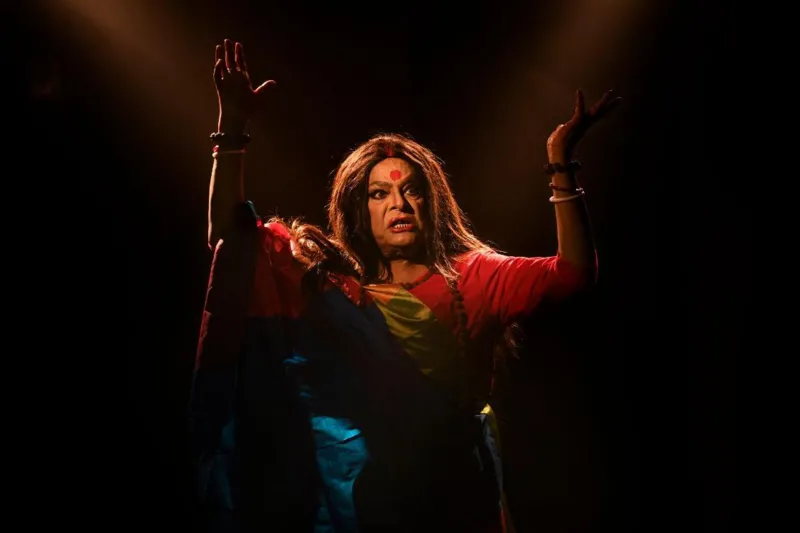
In the vibrant tapestry of Bengal's theatrical tradition, Chapal Bhaduri stands out as a remarkable figure whose life and career embody the complexities of gender and performance. Known as Chapal Rani, he was a pivotal star in jatra, a rural theatrical form that intertwined music, storytelling, and drama, captivating audiences in mid-20th Century India. As we reflect on his journey, we uncover the powerful narrative of a performer who navigated societal norms and carved a unique path in a rapidly evolving cultural landscape.
The Rise of Chapal Rani
Bhaduri’s enigmatic career began at the tender age of sixteen, growing up in a family steeped in theatricality. With his innate talent, he transitioned into the role of "purush rani," performing female characters with a grace and authenticity that resonated with audiences. His performances were not mere caricatures; they were deeply engaging renditions that defied conventional portrayals of gender in performance art. Through his craft, Bhaduri dismantled stereotypes, showcasing the beauty and complexity of femininity in a way that was both honest and brave.
Breaking Boundaries in a Changing Era
As the tide turned in the late 20th century, traditional roles began to shift with the increasing presence of female actors on stage. Despite this cultural transition, Bhaduri's contributions left an indelible mark on the legacy of jatra. His ability to embody a wide array of characters—queens, goddesses, and brothel madams—pushed the boundaries of artistic expression at a time when personal identity was often shrouded in stigma. His method of performing with authenticity and emotion provided a counter-narrative to the ridicule generally faced by those who blurred gender lines in the arts.
Rediscovering a Cultural Icon
The unfolding of Bhaduri's story speaks volumes to contemporary discussions on gender and identity. In recent years, documentaries and films celebrating his artistry have reignited interest in his life, positioning him not merely as a performer but as a cultural icon and elder within the LGBTQ+ community. Despite his resistance to labels, many have embraced his story as an inspiration, illuminating the vibrant historical context of those who lived outside conventional definitions of gender.
A Lasting Impact
Today, as Bhaduri resides in a retirement facility, his life prompts critical reflections on memory and recognition in the arts. The revival of interest in his story invites audiences to grapple with pertinent questions: How do we remember those who have shaped our cultural narratives? What stories warrant preservation, and why? Through the lens of Bhaduri’s legacy, we can acknowledge the often-overlooked contributions of queer performers to the fabric of theatre and challenge the erasures that accompany societal change.
Chapal Bhaduri’s life is a testament to resilience and the profound impact of performance as a means of self-expression. His ability to navigate the complexities of identity amid changing societal norms grants us valuable insights into the ever-evolving relationship between art and personal experience. As we delve into his narrative, we are reminded of the importance of recognizing and celebrating the stories of those who contribute to our cultural histories.

