Unlocking the Secrets of Armenia's Mystical Dragon Stones: A New Era of Archaeological Discovery
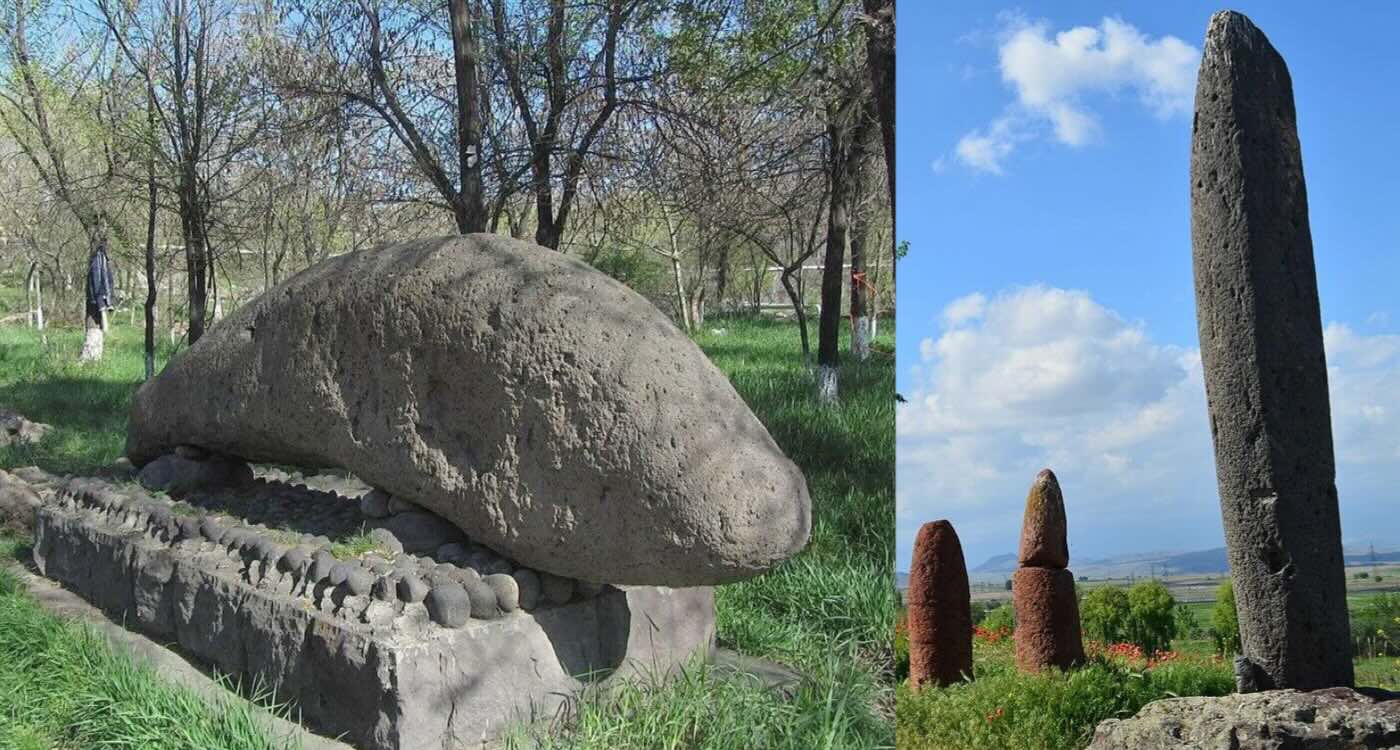
For the first time in history, a rigorous examination of Armenia's enigmatic "dragon stones" has been undertaken, shedding light on these monumental relics from the Neolithic period. Dating back between 4200 and 4000 BCE, these impressive structures, also known as vishaps, are not only a marvel of ancient engineering but also a key to understanding Armenia's rich cultural heritage.
A Breakthrough in Understanding
Researchers from the Yerevan State University Institute of Archaeology and Ethnography have embarked on a groundbreaking survey aimed at deciphering the purpose and significance of these massive stones. Weighing between 3 and 8 tons and adorned with intricate carvings of fish and other figures, the vishaps are predominantly located in the mountainous regions of Armenia, sparking curiosity about their historical context and construction.
The Mystery of the Vishaps
Despite prior confusion regarding their placement and size, the latest findings reveal intriguing patterns. The research team discovered that the larger vishaps are not confined to lower altitudes, challenging previous assumptions about their construction. These monumental stones, some towering over 9 feet and located at heights of 9,000 feet, suggest that their builders were driven by a purpose transcending mere practicality.
Cultural and Spiritual Significance
The ongoing study posits that the vishaps may be linked to an ancient water cult, as they are frequently found near springs and waterways. This connection underscores the importance of water in sustaining life and culture in ancient Armenia. Moreover, the placement of cow-hide designed stones in valleys provides clues to the irrigation systems that nourished early communities, illustrating how these monuments have historically anchored civilizations.
Unity Through Monumental Labor
The monumental effort involved in erecting these structures highlights the spirit of cooperation among the ancient Armenians. The stones not only served as physical markers of territory, but they also embodied the community's cultural and spiritual beliefs. This resonates with practices seen in other parts of the world, where similar structures function as symbols of unity and identity.
Continuing the Legacy
As scholars delve deeper into the history of the vishaps, it becomes increasingly clear that these ancient monuments are not merely relics of the past but crucial components of Armenia's identity. Future research promises to reveal more about the lives and beliefs of the people who once thrived in its shadow. The discoveries surrounding the dragon stones represent a hopeful step towards uncovering the vast tapestries of human history that bind us all.

