Unlocking the Secrets of Armenia’s Ancient Dragon Stones: A Remarkable Archaeological Breakthrough
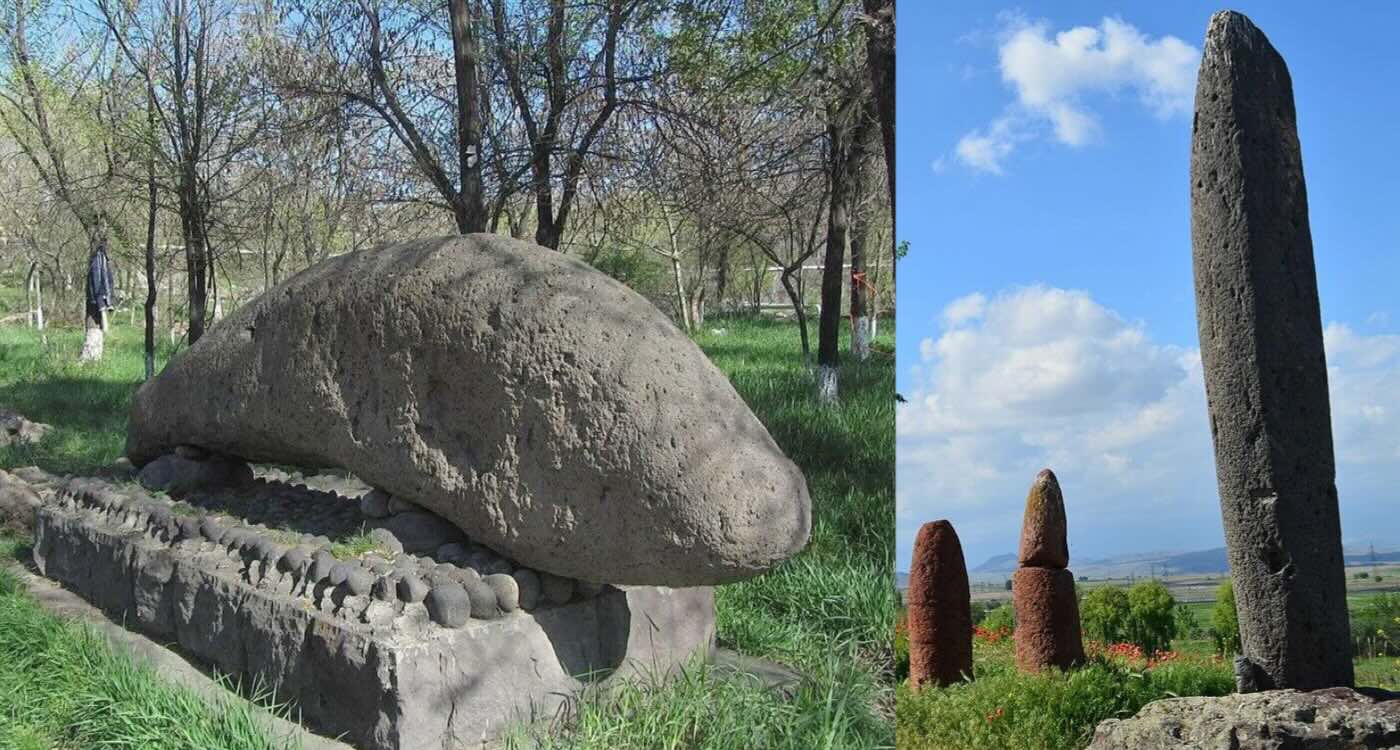
In a groundbreaking development for the field of archaeology, researchers from the Yerevan State University Institute of Archaeology and Ethnography have conducted a detailed analysis of Armenia's enigmatic "dragon stones." This extensive survey aims to shed light on the history and purpose of these imposing Neolithic monuments, which date back to between 4200 and 4000 BCE, aligning with a period that witnessed the construction of other notable megaliths like Stonehenge.
Discovering Armenia's Mystical Heritage
The dragon stones, locally referred to as vishaps, weigh between 3 and 8 tons and feature unique carvings, including images of fish and cowhide. Scattered across the mountainous regions of Armenia, particularly in the Geghema, Mount Aragats, and Vardenis Mountains, researchers have identified numerous stones that exemplify not only the craftsmanship of ancient societies but also point to potential cultural and spiritual significance.
Theories Unraveled: Water Cult Connections
One of the most intriguing findings of this research is the hypothesis that these monumental stones may be connected to an ancient water cult, as many vishaps are located near springs and often showcase fish imagery. The analysis challenges previous assumptions, revealing a complex relationship between the size of the stones and their altitudinal placement. Despite the strenuous conditions of high-elevation construction, the team observed no direct correlation between the altitude and the size of the vishaps, suggesting a deeper, symbolic purpose behind their construction.
A Legacy of Cooperation and Community
Beyond their physical presence, the vishaps represent a profound cultural legacy, embodying the spirit of cooperation and teamwork essential for their construction. As suggested by the research, the dedication invested in creating these monuments likely reflects the community's values and beliefs. The stones not only served as a marker of ownership of the land but also as a testament to the social cohesion among the ancient builders.
As the research progresses, the potential implications of these findings are vast. The vishaps may be more than mere relics of the past; they could provide valuable insights into ancient human civilization, community structure, and cultural practices. The continuation of this study holds promise not only for the rich history of Armenia but also for the broader understanding of ancient societies throughout the world.

