Unlocking Armenia's Ancient Mysteries: The Fascinating Truth Behind Dragon Stones
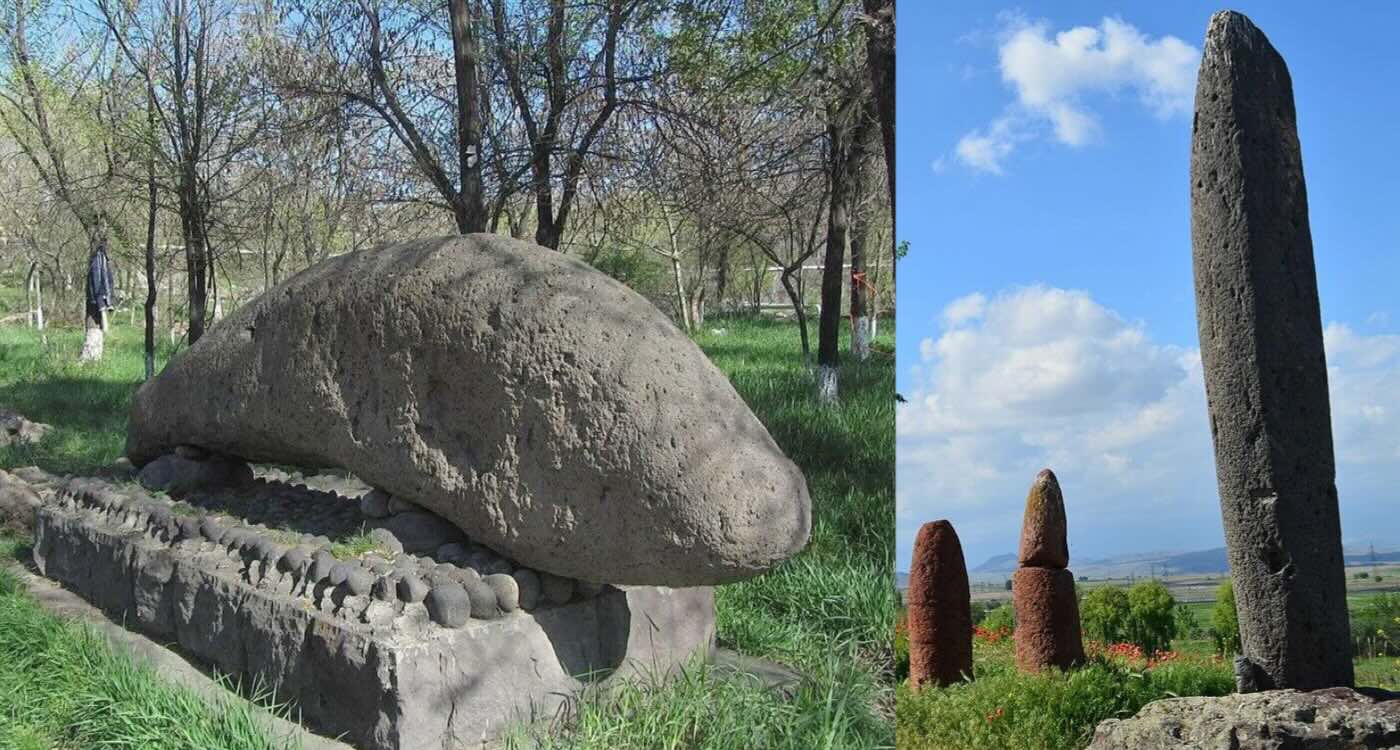
A groundbreaking archaeological analysis is shedding light on the enigmatic "dragon stones" of Armenia, marking a significant achievement in understanding this remarkable aspect of the nation's heritage. Conducted for the first time in history, researchers from the Yerevan State University Institute of Archaeology and Ethnography have embarked on a journey to unravel the mysteries behind these large Neolithic monuments, which date back to between 4200 and 4000 BCE.
The Significance of the Dragon Stones
Known locally as "vishaps," meaning dragons, these colossal structures weigh between 3 and 8 tons and showcase a variety of carved imagery, including fish and cowhide motifs. Their widespread presence across the highlands of Armenia hinted at a meaningful role within ancient society, yet their purpose remained elusive until this new analysis provided fresh insights. The previous attempts to understand their function had been complicated by the seeming randomness of their positioning and their sheer scale.
A New Perspective on Ancient Cultures
The research has offered compelling hypotheses regarding the connections between the vishaps and ancient agricultural practices. Interestingly, these stones were primarily located near springs, leading researchers to suggest a link to an ancient water cult. This association aligns with the findings that the cowhide-styled markers often indicate ancient irrigation channels, vital for sustaining livestock and communities.
Cultural Legacy and Community Identity
Beyond their immediate physical attributes, the vishaps symbolize far more than mere monumental structures; they represent the cultural and spiritual beliefs of the people who built them. The substantial labor invested in their construction highlights a spirit of cooperation and teamwork among ancient Armenian societies. These stones may have acted as anchors of community identity, asserting possession of the land and fostering a connection to the landscape.
Engagement with Historical Successors
The legacy of the vishaps extends beyond their creators, influencing future civilizations that viewed these standing stones as markers of significance. The Urartians and early Christian communities felt a connection to these monuments, leaving their own marks—cuneiform inscriptions and crosses—on the stones as a testament to their enduring relevance throughout history.
This recent study not only enriches our understanding of Armenia's ancient past but also serves as a reminder of the enduring impact of historical monuments on contemporary society. As ongoing research continues to uncover the stories of these fascinating structures, the dragon stones of Armenia stand as a powerful symbol of the region's rich heritage.

