Unleashing the Power of Citizen Science: How Ordinary Australians are Making Extraordinary Discoveries
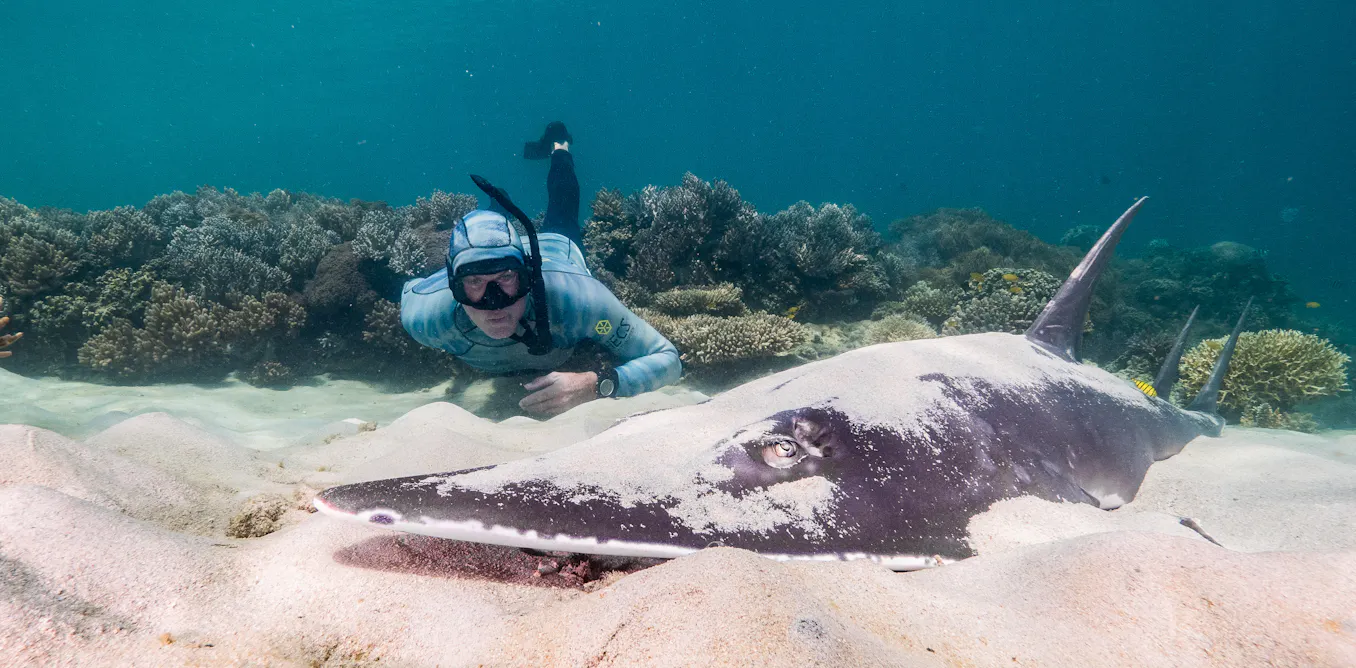
Citizen science is thriving in Australia, with recent estimates suggesting that over a million Australians are actively engaged in scientific research efforts. This significant number far exceeds previous estimates and highlights the expanding role of everyday citizens in scientific endeavors. As professionals increasingly collaborate with community members, the wealth of data and discoveries generated by these passionate individuals has transformed Australia's approach to conservation and environmental stewardship.
Historic Contributions and Modern Discoveries
The roots of citizen science in Australia can be traced back to notable figures like Ferdinand von Mueller and Charles Darwin, who recognized the value of amateur contributions to professional science. Today, stories abound of citizen scientists making ground-breaking discoveries. For instance, in recent months, Jan Pope and her daughter Sophie Kalkowski-Pope uncovered a massive and unusual coral meadow in the Great Barrier Reef, illustrating how citizen-led research continues to enrich our understanding of the natural world.
The Importance of Collaboration
The collaboration between professional scientists and the community has become essential in tackling conservation issues. As projects spanning biodiversity tracking, water quality assessment, and climate change adaptation unfold, the contributions of citizen scientists are becoming increasingly vital. Their enthusiasm and local knowledge enable them to make significant contributions that help address environmental challenges.
Citizen Science: A Path Forward
Despite the impressive achievements of citizen scientists, funding for their initiatives remains limited. It’s crucial for governmental and private organizations to recognize and support the potential of citizen science. Investing in citizen-led initiatives could significantly enhance data collection in health, astronomy, agriculture, and particularly in nature conservation, ultimately leading to more effective strategies for environmental protection and climate change mitigation.
As the public becomes more engaged, science can move beyond traditional lab settings and involve diverse perspectives that enrich our understanding of the environment. As noted by anthropologist Margaret Mead, individuals and small groups can indeed have a profound impact on the world, underscoring the importance of citizen science in shaping a sustainable future for Australia.

