
Transforming Waste into Wonder: The Rise of Rubble Gardening
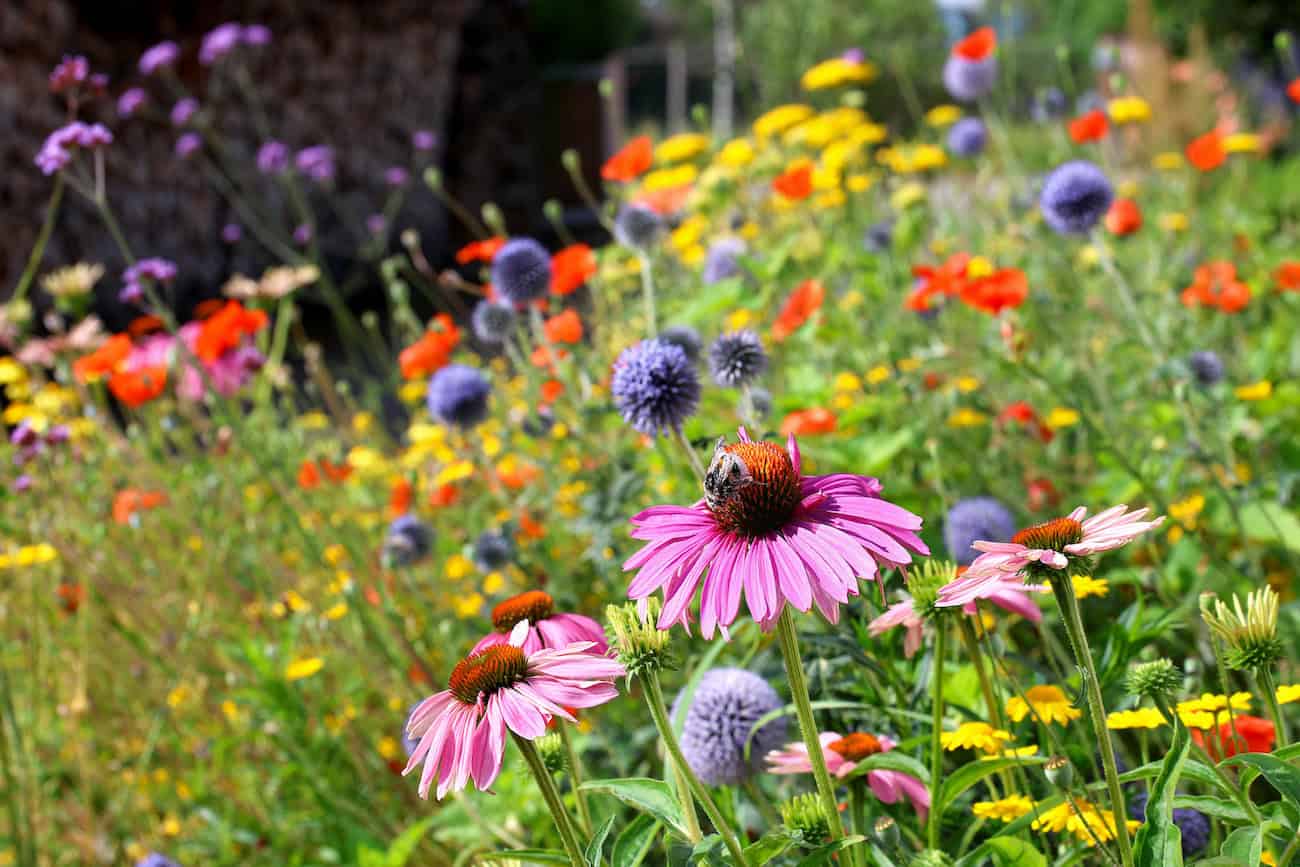
In an inspiring shift towards sustainability, innovative gardeners are turning to unconventional methods of planting by utilizing leftover builders' waste. Instead of traditional soil, materials such as concrete, gravel, and sand are creatively reimagined into vibrant, drought-tolerant gardens full of biodiversity. This emerging trend offers not only environmental benefits but also aesthetic pleasures, redefining the concept of gardening in urban settings.
A Bold Move by Horniman Museum and Gardens
Located in the bustling heart of London, the Horniman Museum and Gardens is embracing this ecological approach under the guidance of head of horticulture, Errol Reuben Fernandes. By transforming their entrance gardens into what they call "rubble gardens," the team is utilizing 25 tonnes of waste concrete aggregate from a recent redevelopment. This project reflects a commitment to creating habitats for xerophytes – plant species well-adapted to arid conditions.
A Shift Towards Biodiversity
The initiative not only addresses ecological challenges resulting from climate change but also enhances the garden's visual interest and diversity. Previously dominated by monocultures, the area now boasts a variety of Mediterranean and South American plants, thriving under conditions that mimic their natural arid environments. Amidst concerns about traditional landscaping practices, these gardens aspire to reconnect urban spaces with nature by attracting a multitude of pollinators and wildlife.
Global Inspirations and Local Experiments
The trend of rubble gardening is not confined to London alone. Garden designers worldwide, including those in Sweden, are adopting similar sustainable practices. For instance, Peter Korn in Malmö leverages sand-based planting methods, while various UK experts experiment in their own backyards, contributing to a growing movement that pushes the boundaries of conventional gardening.
Implications for Residential Development
According to Nathan Apperley, head gardener at Yeo Valley Organic, rubble gardening could revolutionize the way residential areas are landscaped. Current practices often leave homeowners with uninspiring gardens comprising a mere layer of topsoil over compacted subsoil. By integrating diverse plant life adapted to difficult conditions, builders can create gardens that uplift both residents and local ecosystems.
Community Engagement and Education
This gardening approach also fosters community dialogue. Fernandes notes the importance of explaining the aesthetic and ecological values of rubble gardens to neighbors. Such conversations can demystify the uniqueness of these gardens while inviting curiosity and support for sustainable practices.
Creating Your Own Rubble Garden
For those inspired to create their own rubble gardens, Fernandes shares practical tips: utilize locally sourced waste materials, mix rubble of varying sizes to enhance drainage, and select appropriate plant species. The planting process encourages hands-on involvement with nature, fostering a relationship between gardeners and their environment.
As the trend of rubble gardening continues to grow, it undoubtedly paves the way for a more sustainable future in urban gardening. By transforming waste into wonder, these innovative spaces inspire communities to embrace ecological design, enrich biodiversity, and redefine what it means to cultivate beauty in our gardens.




