Transforming Survival Rates: McKinney’s Revolutionary Approach to Cardiac Emergencies
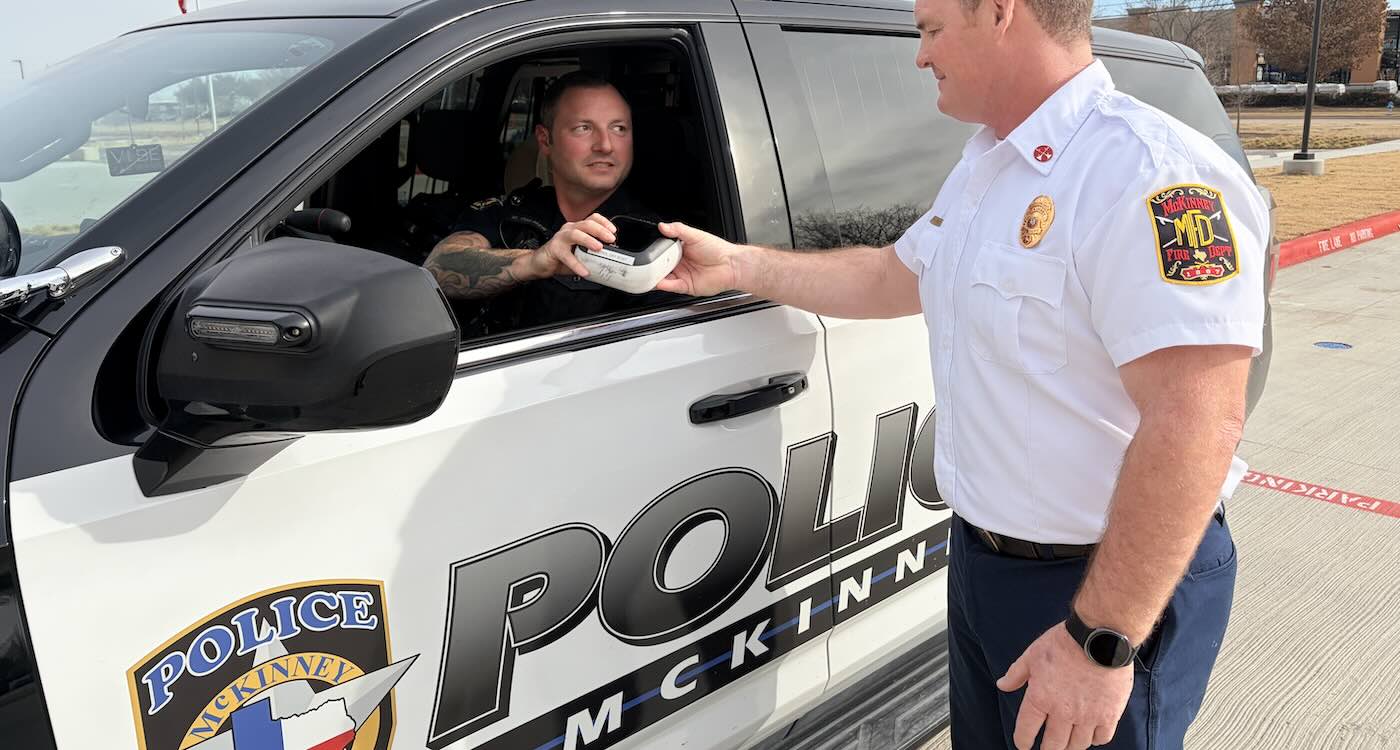
The city of McKinney, Texas, has achieved remarkable progress in improving cardiac arrest survival rates, showcasing a successful collaboration between its fire department, police department, and the community. Over the past two years, McKinney has seen its survival rate for cardiac arrest skyrocket from a mere 10 percent to an impressive 47 percent, significantly surpassing the national average of 30 percent.
A Model Program Inspired by Seattle
This life-saving initiative was inspired partly by practices employed in Seattle, widely known for its effective cardiac arrest response. The city's fire and police departments have worked together to implement a comprehensive approach known as the "chain of survival," which emphasizes rapid recognition of cardiac events, immediate CPR, quick access to automated external defibrillators (AEDs), and prompt transport to medical facilities. This innovative response mechanism reflects a transformative shift towards prioritizing community health and safety.
Empowering Residents for a Safer Community
To further enhance its emergency response, McKinney is rolling out a new initiative titled the Neighborhood Heroes campaign, aiming to place 200 AEDs throughout neighborhoods. This proactive step means that in the event of a cardiac emergency, an AED will always be within a four-minute reach—a groundbreaking effort to create a “4-Minute City.” McKinney is positioning itself as a national leader in community health, potentially serving as a model for other cities to follow.
Building a Life-Saving Culture
The culture surrounding emergency response in McKinney has undergone a significant transformation. Police officers, who were once skeptical of the program, have become champions of this life-saving initiative after witnessing the impact firsthand. Fire Chief Paul Dow highlights the remarkable shift in mindset among officers, who are now fully invested in the program's success.
In the past year alone, nine lives have been saved directly due to this collaborative effort, illustrating the tangible benefits of this structured approach to community health. With the support of the American Heart Association, McKinney’s innovative model will be highlighted during Heart Health Month, positioning the city as a pioneer in community-based resuscitation efforts.
As McKinney continues to lead the charge in improving survival rates for cardiac arrest victims, it serves as an inspiring example of what can be achieved through dedicated teamwork, community involvement, and a commitment to public health. This initiative not only saves lives but also fosters a stronger, more connected community.

