
Transforming Lives: How Rugby League is Tackling Loneliness Among Young Men
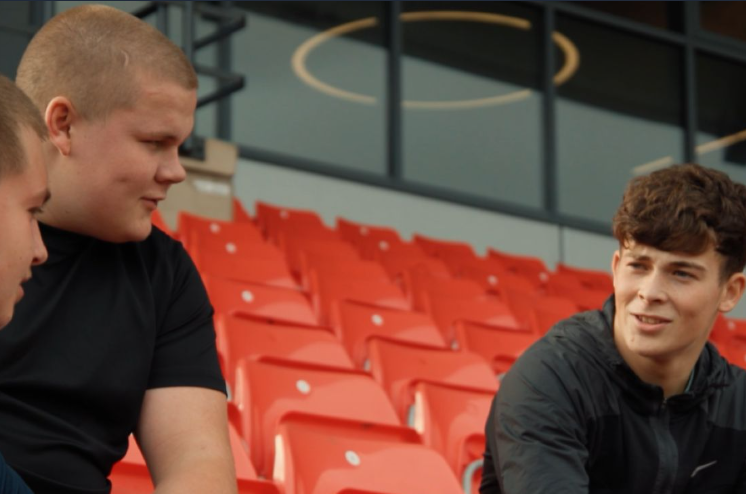
A groundbreaking initiative led by Rugby League Cares and supported by the UK Government is making significant strides in combating social isolation and loneliness among boys and young men in Wigan and West Yorkshire. The pilot programme, which engaged over 1,000 participants, has yielded uplifting results that could pave the way for future community-focused sporting initiatives across the nation.
The Impact of the Pilot Programme
Commissioned by the Department for Digital, Culture, Media and Sport (DCMS), the pilot utilized the power of sport to implement tailored versions of Movember's Ahead of the Game (MAOTG) and Offload programmes. During the winter of 2025-26, the engaging activities facilitated stronger social connections and promoted wellbeing among participants, particularly those at risk of being Not in Education, Employment, or Training (NEET).
Positive Testimonials from Participants
What stands out most from this initiative are the personal testimonies from participants, who shared how their involvement fundamentally changed their lives. Many reported increased confidence and an enhanced ability to connect with peers. Comments such as, “I feel positive about life. I’ve got new people I can talk to...” highlight the profound effect that the programme has had on fostering new relationships and coping strategies among young men.
Support from Key Figures
Vicky Foxcroft, the Minister for Loneliness, emphasized the importance of addressing loneliness, especially among young men. She remarked on the encouraging outcomes of the pilot, noting that it demonstrates the capabilities of community sports to build essential connections and confidence in young people. This aligns with the ongoing governmental commitment to tackling loneliness.
A Model for Future Initiatives
As the positive findings from Edge Hill University's evaluation come to light, they serve as a call to action for future community-based programmes. Experts like Professor Andy Smith have highlighted how the collaboration between sports institutions and community organizations can play a crucial role in enhancing the lives of boys and young men.
This pilot not only underscores the power of sports as a vehicle for social change but also sets a precedent for ongoing efforts to support young people's mental health and social development. As Rugby League Cares plans to build on the successful outcomes, it is clear that initiatives like these are vital for nurturing social connections and fostering positive futures for young men.




