Transforming Energy and Food Industries: A Bright Outlook for New Zealand
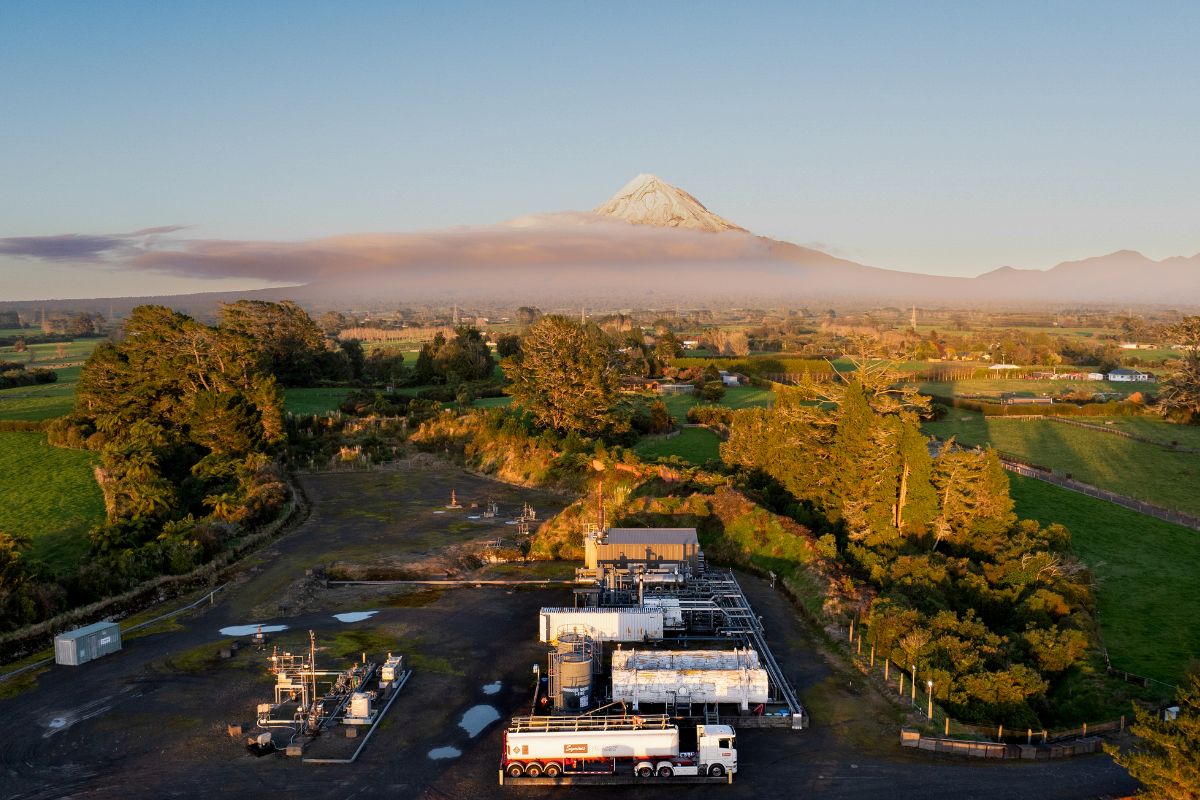
The anticipated acquisition of Matahio Energy's New Zealand assets by Sunda Energy is set to have significant ramifications not only for the petroleum sector but also for the grocery and supermarket industries. This transaction promises a more stable supply chain and potential cost savings, creating a favorable environment for both producers and consumers in New Zealand.
The Significance of the Deal
Under the terms of the agreement, Sunda Energy is set to acquire key onshore assets in Taranaki, which are already interwoven into New Zealand's energy framework. This strategic move comes at a crucial time, as rising volatility in global oil markets has contributed to increased freight costs, thus affecting grocery margins and causing price hikes on store shelves. However, strengthening domestic energy production is expected to alleviate these pressures, paving the way for a more reliable and cost-effective logistic framework.
A Vote of Confidence in New Zealand's Energy Sector
Resources Minister Shane Jones has framed the transaction as a clear testament to the growing international faith in New Zealand's energy landscape. This burgeoning confidence is anticipated to translate into tangible benefits for local businesses, especially in infrastructure enhancement and production capability. Jones remarked, “This is the type of commercial activity we want to encourage,” underscoring the importance of international investment in fostering a resilient energy sector.
Implications for Food Manufacturers
The entry of Sunda Energy is particularly crucial for food manufacturers that supply the grocery channel. Gas serves as a vital resource for numerous food processing operations. Enhanced reliability and price stability in gas supply may result in reduced production costs and consistent output, which are essential for meeting consumer demands.
A Broader Ecosystem of Support
The implications of this transaction extend beyond mere energy production; it also supports a robust network of suppliers, processors, and logistics providers in Taranaki. Continued investment in the region fortifies not just the energy sector but also the larger manufacturing ecosystem that services grocery needs. This interconnected growth bodes well for enhancing resilience against future disruptions in supply chains and fluctuating costs.
A Promising Future Ahead
Though the deal awaits regulatory approval, its underlying momentum aligns with the pressing needs within the supermarket industry to build greater resilience. If authorized, this transaction could emerge as a landmark moment not only for the energy industry but also as a stabilizing force for interconnected sectors. Together, these developments signal a brighter, more sustainable future for both energy and food production industries in New Zealand.

