Transforming Energy: A New Era for New Zealand’s Grocery Sector
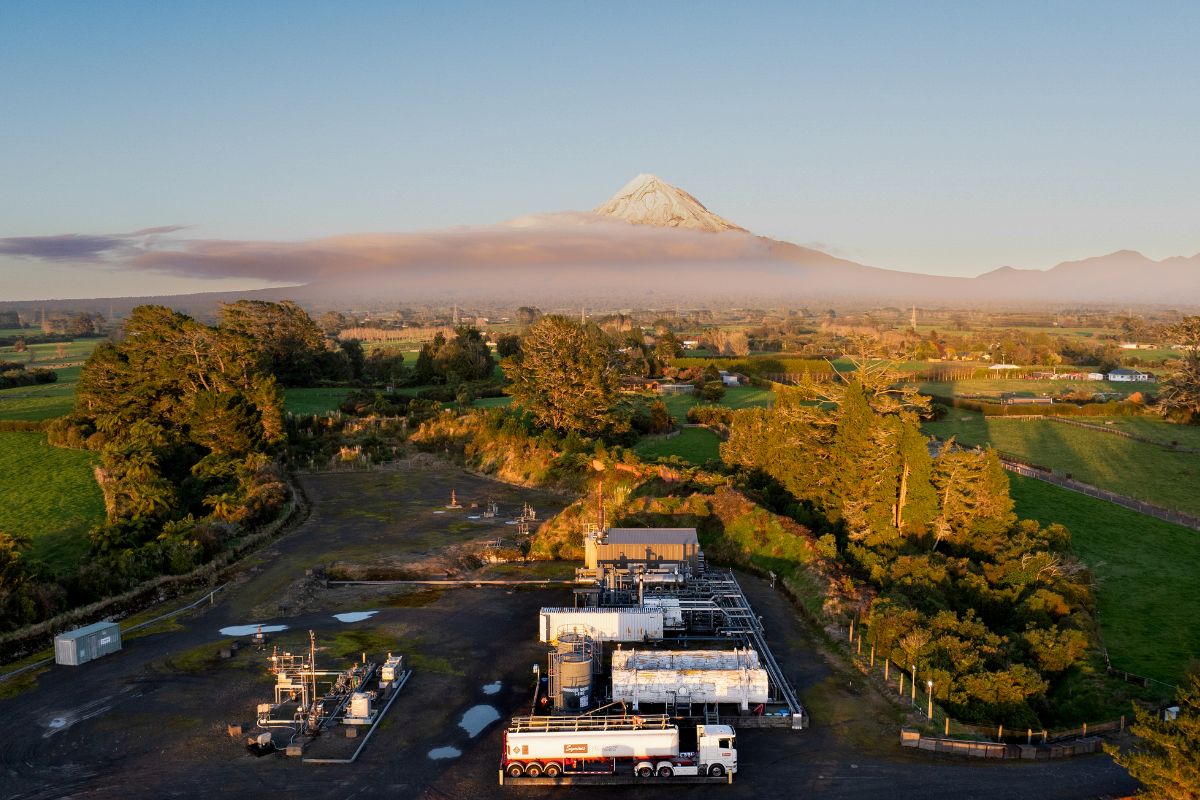
The recent sale of Matahio Energy’s New Zealand assets to Sunda Energy could herald a positive shift in the grocery and supermarket industry by enhancing supply chain stability and energy security. This agreement is poised to address some pressing challenges faced by the grocery sector amidst ongoing volatility in global oil markets.
A Strategic Acquisition for Stability
Sunda Energy's acquisition of established onshore assets in Taranaki, such as the Cheal and Sidewinder fields, is a significant development. These assets, already integrated into New Zealand’s energy framework, are expected to facilitate lower freight costs and help stabilize grocery margins. As Resources Minister Shane Jones noted, this transaction signals increasing international confidence in New Zealand’s energy sector, encouraging sustained investment in infrastructure crucial for local businesses.
Impact on Food Production
The entry of Sunda Energy into the market is particularly critical for food manufacturers. Given the vital role gas plays in processing operations—from dairy to bakery products—this acquisition bodes well for improving supply reliability. Enhanced energy security could lead to more consistent production costs, allowing manufacturers to produce quality goods more efficiently.
A Ripple Effect on the Grocery Ecosystem
Taranaki's significance extends beyond energy production; it is a cornerstone for the food manufacturing industry. Continued investment in the region is not just beneficial for energy companies but also supports the ecosystems of suppliers and logistics providers that are essential to the grocery sector. This holistic approach to energy and food production can foster resilience against disruptions experienced in recent years.
While the transaction awaits regulatory approval, its implications extend far beyond the energy sector itself—promising a stabilizing influence on industries reliant on consistent and affordable energy access. If approved, this deal could mark an important milestone, paving the way for a more resilient and secure grocery market in New Zealand.

