Transforming Bird Feeding for a Healthier Future: The Power of Change
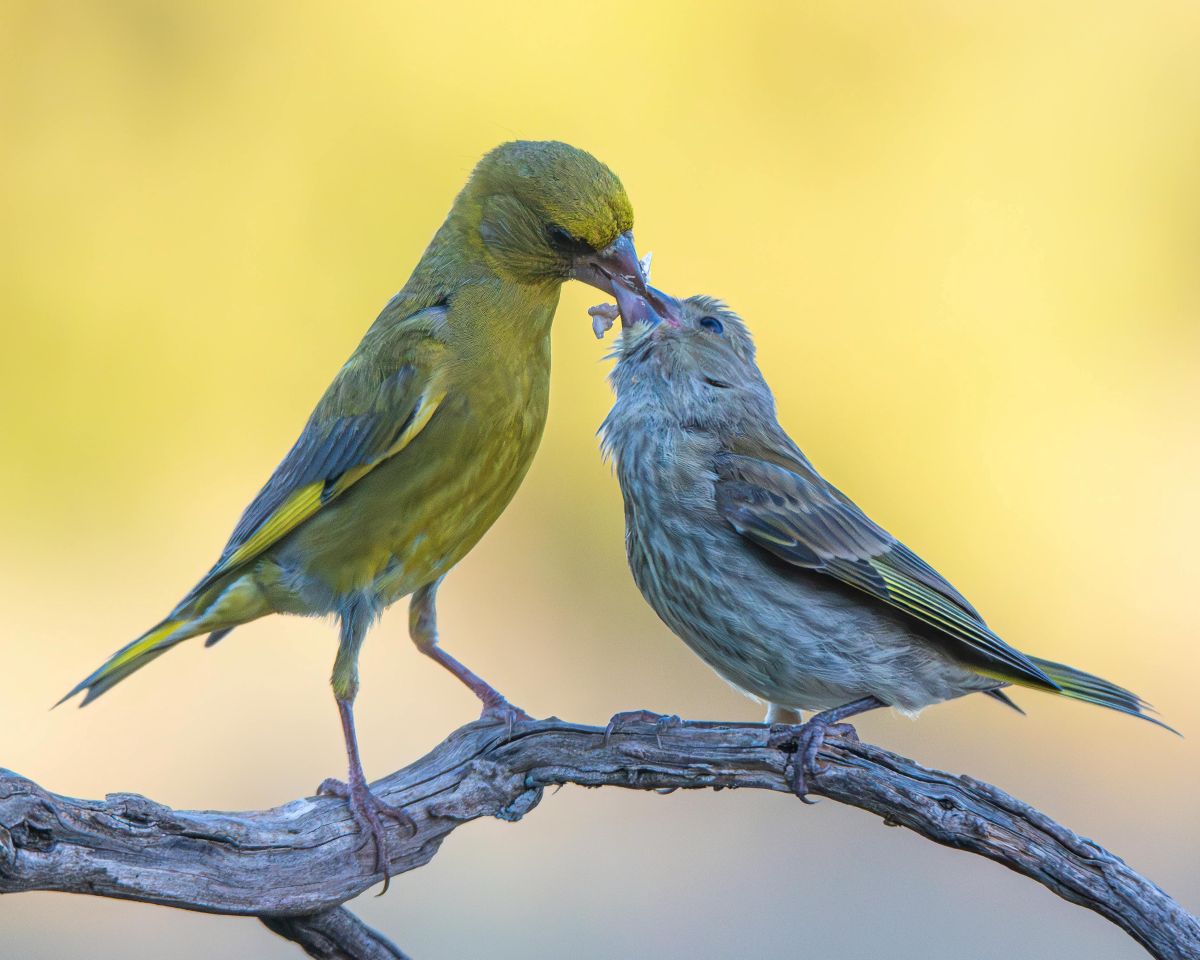
Recent findings from the world’s largest garden wildlife survey, the Big Garden Birdwatch, have highlighted both challenges and solutions for bird enthusiasts across the UK. With an impressive participation of over 650,000 citizen scientists, the survey revealed interesting patterns that could shape the future of how we care for our avian friends.
A Call to Action for Bird Lovers
The results of the Big Garden Birdwatch indicated that while many bird species continue to thrive, the greenfinch, in particular, has been placed on the endangered red list due to alarming declines linked to disease. This underscores an urgent need for a change in how we approach bird feeding in gardens.
Implementing Simple Yet Effective Changes
The RSPB (Royal Society for the Protection of Birds) emphasizes that there are tangible benefits to feeding garden birds, particularly when carried out safely. By adopting simple seasonal changes such as altering feeding methods during the summer and autumn seasons, we can significantly reduce the risk of disease transmission among birds.
Promoting Natural Food Sources
One of the most encouraging aspects of this initiative is the new focus on supporting birds without relying solely on feeders. Gardeners are encouraged to cultivate a wildlife-friendly environment that provides natural food sources. Incorporating a variety of flowers, berry bushes, and fruit trees not only aids in providing nourishment but also attracts beneficial insects, thus enriching the ecosystem.
Community Involvement is Key
As Beccy Speight, the chief executive of the RSPB, aptly stated, “Feeding birds is something millions of us love and value.” The collective effort of citizens making small adjustments can contribute significantly to ensuring a thriving bird population. The emphasis is not on eliminating bird feeding but rather on implementing practices that safeguard their long-term health.
As we reflect on these findings, let us embrace the responsibility of nurturing our environment and take proactive steps in defending our avian populations. Together, we can create a healthier ecosystem for birds and enjoy the beauty they bring into our lives.

