
Transform Your Running: How Strength Training Changed One Woman's Life
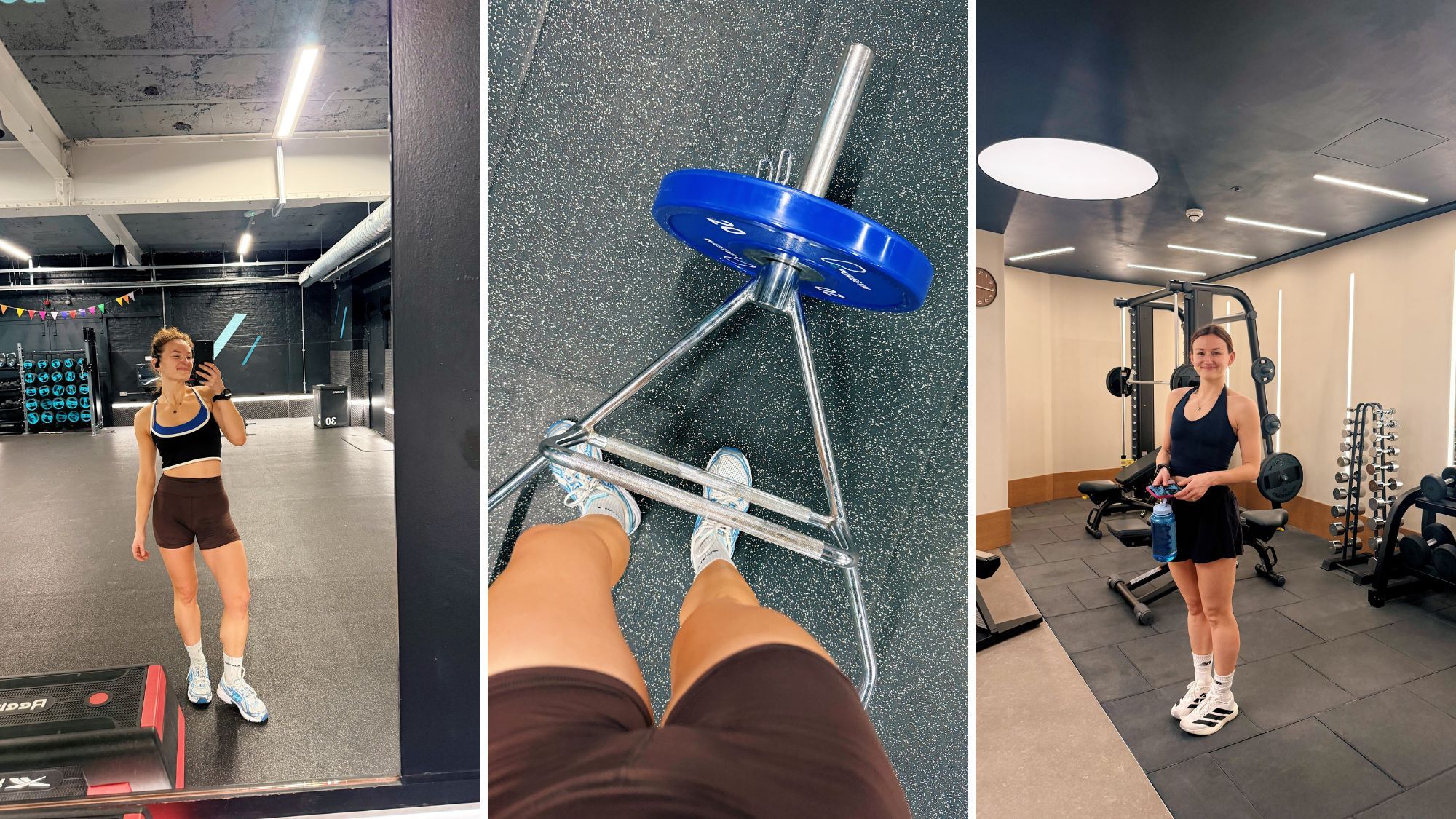
In recent years, the perception of strength training, especially among women, has dramatically evolved. No longer viewed as a territory strictly for men, strength training is now recognized as a critical component of health, performance, and longevity. A recent first-person account highlights how embarking on a structured strength training program can unlock not only physical potential but also help in mental resilience, particularly for female runners.
A Journey of Transformation
The subject of this inspiring story recounts her initial apprehension towards weightlifting, stemming from societal beliefs about femininity and strength. However, after participating in a female-specific strength training program through PASSA, a running collective dedicated to supporting women, she quickly experienced a remarkable transformation. This three-month journey was not only a physical challenge but also an enlightening exploration of strength and personal empowerment.
The Power of Female-Specific Coaching
One of the most striking elements of her experience was the tailored approach of her coach, Lillie Bleasdale. Understanding the unique physiology and life circumstances of women, Bleasdale’s program incorporated factors such as menstrual health and recovery needs. This holistic perspective ensured that the training not only built strength but also supported overall wellbeing, allowing female athletes to thrive in their performance without succumbing to added stress.
Building Confidence Through Strength
Throughout the program, the participant noted a significant growth in her confidence. Initially intimidated by the gym environment, she was able to embrace the joy of movement as she advanced through various strength training exercises. By focusing on building specific strengths required for running, such as quad dominance, she was able to see improvements in her stamina and efficiency, culminating in a personal best at the Reading Half Marathon.
A triumphant Boston Marathon
As her training progressed, the culmination of her efforts led to her debut at the prestigious Boston Marathon, where she achieved a remarkable time of 3:08, a personal best. Her story serves as a testament to the potential of structured, female-centric strength training programs, encouraging other women to consider similar paths for enhancing their physical performance and overall health.
In conclusion, Ally’s journey shines a light on the positive changes that strength training can bring to a woman’s life. From fostering physical strength to building mental resilience, her experience underscores the idea that embracing fitness does not have to conform to outdated stereotypes. It is a call for women everywhere to fight against the stigma, seize control of their training, and ultimately transform their lives.




