Transform Your Home, Transform Your Life: The Uplifting Power of Interior Design
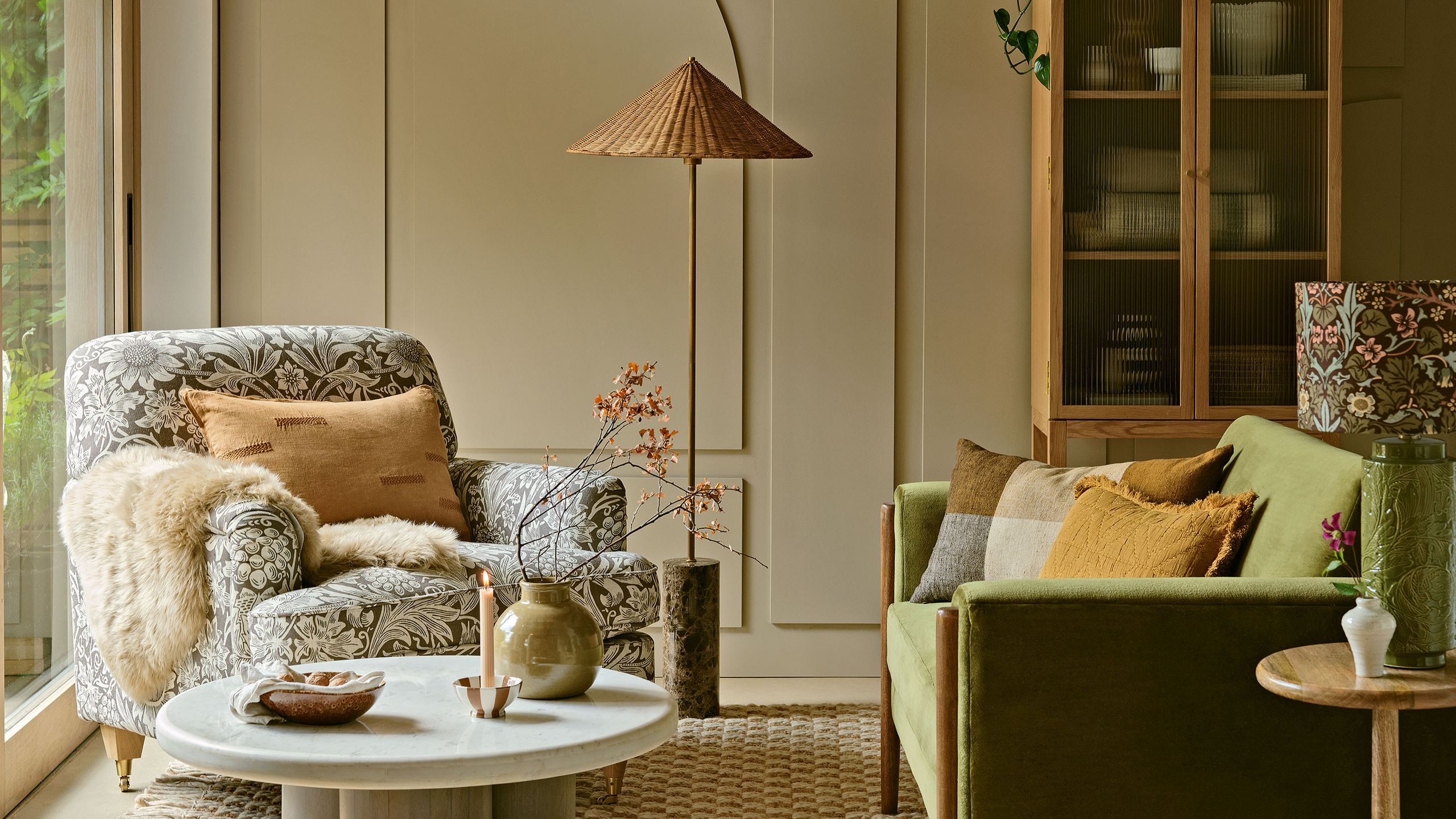
As we navigate through the complexities of modern life, the spaces we inhabit play a crucial role in shaping our mental well-being. Recent insights highlight not only the importance of aesthetic appeal in our homes but also how specific design choices can enhance our emotional health.
The Emotional Connection between Home and Happiness
When we think about what makes a house feel like home, factors such as location, decor, and the emotional resonance of the space often come to mind. Interior design is no longer just about looks; it directly influences our mood and mental state. As Dr. Ravi Gill, a practicing psychologist, notes, the environments we inhabit can significantly affect our stress levels, cognition, and overall safety. This connection between our interiors and mental well-being is becoming more widely recognized.
Harnessing the Science of Color
Color theory plays a significant role in how we feel at home. According to Karen Haller, an expert in color and design psychology, the hues we choose to surround ourselves with heavily influence our emotions. Calming colors like soft greens and gentle pinks can create a tranquil atmosphere, while vibrant yellows may uplift our spirits. The key is to select colors that resonate with our personal experiences and desired emotions, fostering a sense of happiness and comfort.
Texture and Natural Materials: Creating Comfort
Texture also contributes significantly to how we experience our homes. Wren Loucks, founder of Be-Kin, emphasizes the importance of using natural materials such as wool and cotton, which can enhance our sense of vitality. Investing in items that provide a positive sensory experience—like cozy blankets and comfortable bedding—can make us feel more at home and less weighed down by daily stresses.
The Underrated Impact of Lighting
Lighting is another critical factor that affects our mood. Interior designer Katie Malik points out that natural light is linked to improved emotional regulation and cognitive function. The strategic use of lighting that mimics natural sunlight, along with warm tones in the evening, can help create a soothing and energizing environment, supporting our mental health throughout the day.
Decluttering: A Path to Mental Clarity
Clutter has a profound negative impact on our mental well-being. Research indicates that disorderly environments can elevate cortisol levels and hinder relaxation. Implementing simple decluttering strategies, such as organizing key surfaces or utilizing innovative storage solutions, can significantly reduce visual noise and promote a sense of calm.
Finding Your Personal Design Aesthetic
Ultimately, creating a happy home is about personal expression and reflection. As interior designers advise, it is essential to consider what spaces invoke joy and tranquility in us. Designing our homes should be a unique journey, focused on curating environments that nurture our individual needs and helping us to foster a profound sense of happiness and peace.
In conclusion, the relationship between our interior design choices and our mental well-being is undeniable. By thoughtfully considering elements such as color, texture, lighting, and organization, we can transform our homes into havens that enhance our emotional health and overall happiness.

