Transform Your Home for a Happier You: The Power of Interior Design
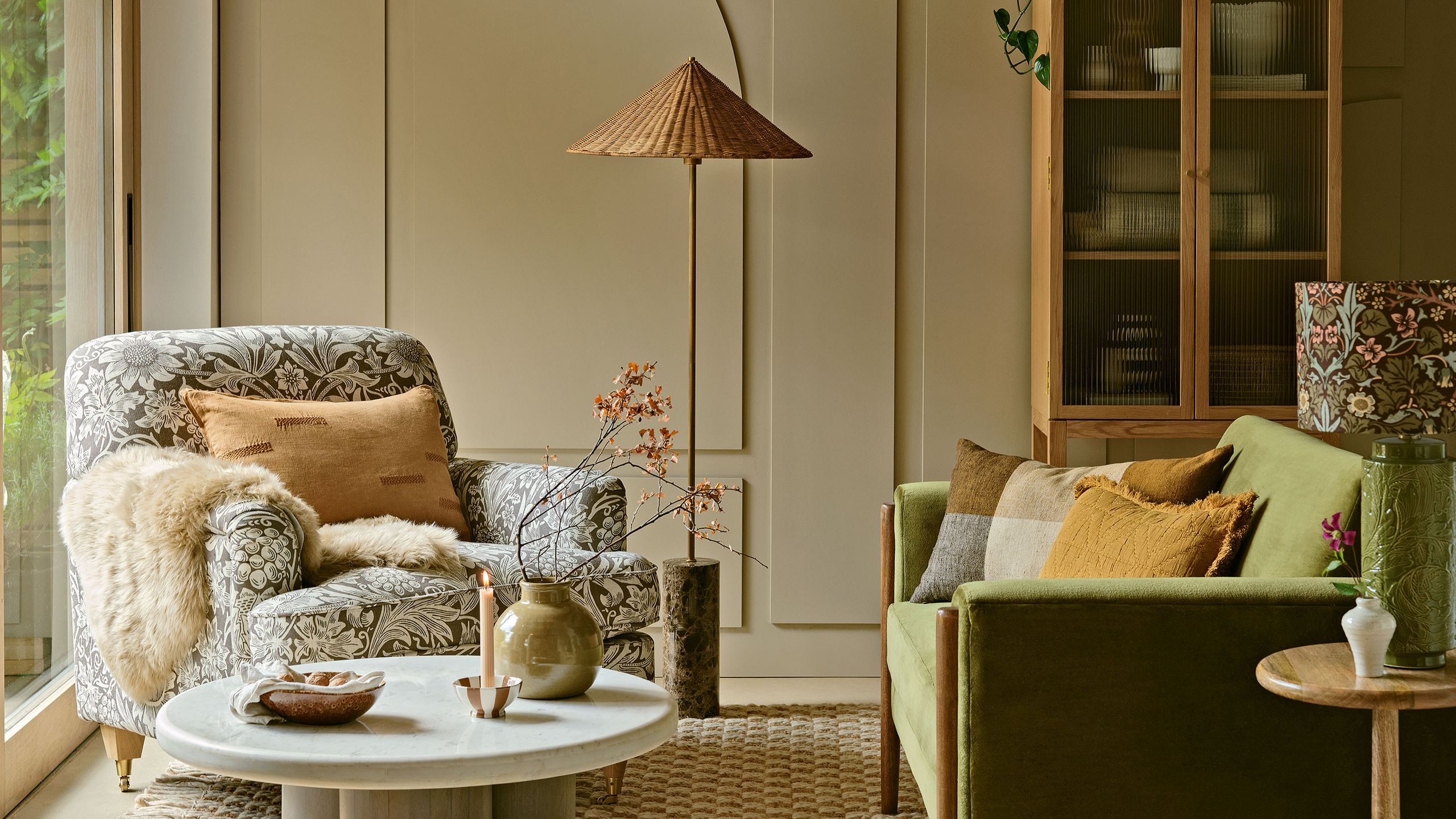
Your home environment greatly influences your mental well-being. In 2026, a mission to create a happier home has brought new insights into the significant link between interior design and mental health. Consulting with psychologists and designers, it has become evident that our interior choices—such as color, texture, and lighting—can either uplift or hinder our mood.
The Science Behind a Happy Home
Research indicates that various elements in our homes affect emotional regulation, focus, and stress levels. Natural light, for instance, has been shown to improve mood and regulate circadian rhythms. This scientific backing gives credence to the notion that a thoughtfully designed space can enhance our overall mental health.
Color: A Mood Influencer
The colors we choose for our walls and decor play a pivotal role in our well-being. Colors can evoke emotions and set the tone for our daily experiences. For example, shades of green and blue can bring about a sense of calm, while warmer colors may energize us. Each person's unique preference means that selecting colors reflecting personal tastes can lead to a more joyful living environment.
Texture Matters
Beyond color, texture contributes significantly to the sensory experience in our homes. Opting for natural materials such as wood and organic fabrics can create a grounding environment. Soft textiles like wool and cotton not only feel good against the skin but also instill a sense of comfort and tranquility.
Lighting: Brightening Your Mood
Lighting is often an underappreciated aspect of home design. Natural light is vital for improving mood, while artificial lighting can influence our mental state. Implementing circadian lighting that mimics daylight can support better sleep and enhance focus throughout the day, showcasing the profound effect of light on our psychological health.
Decluttering for Mental Clarity
A cluttered space can lead to increased stress, making it crucial to maintain an organized home. Experts suggest starting with decluttering key surfaces and utilizing smart storage solutions to alleviate visual noise. This not only creates a more serene environment but also enhances cognitive clarity, allowing for improved focus and relaxation.
Design Choices Reflecting Happiness
Ultimately, the path to a happy home is personal. Emphasizing design choices that evoke joy and calm rather than adhering strictly to trends can make a significant difference. Creating spaces that resonate with one's personal experiences fosters a sense of connection and contentment, truly transforming the home into a sanctuary of happiness.

