
Transform Your Gut Health: Simple Dietary Changes to Tackle Constipation!
In today's fast-paced world, digestive health often takes a backseat, leading to common issues like constipation. However, experts assure us that simple dietary adjustments can dramatically improve bowel health and enhance overall well-being.
The Power of Fiber
One of the most vital components for combating constipation is dietary fiber. Dr. Trisha Pasricha from Harvard Medical School emphasizes that adults should aim for 25 to 34 grams of fiber daily. Unfortunately, many do not meet this crucial target. Increasing fiber intake is straightforward and can lead to substantial digestive improvements.
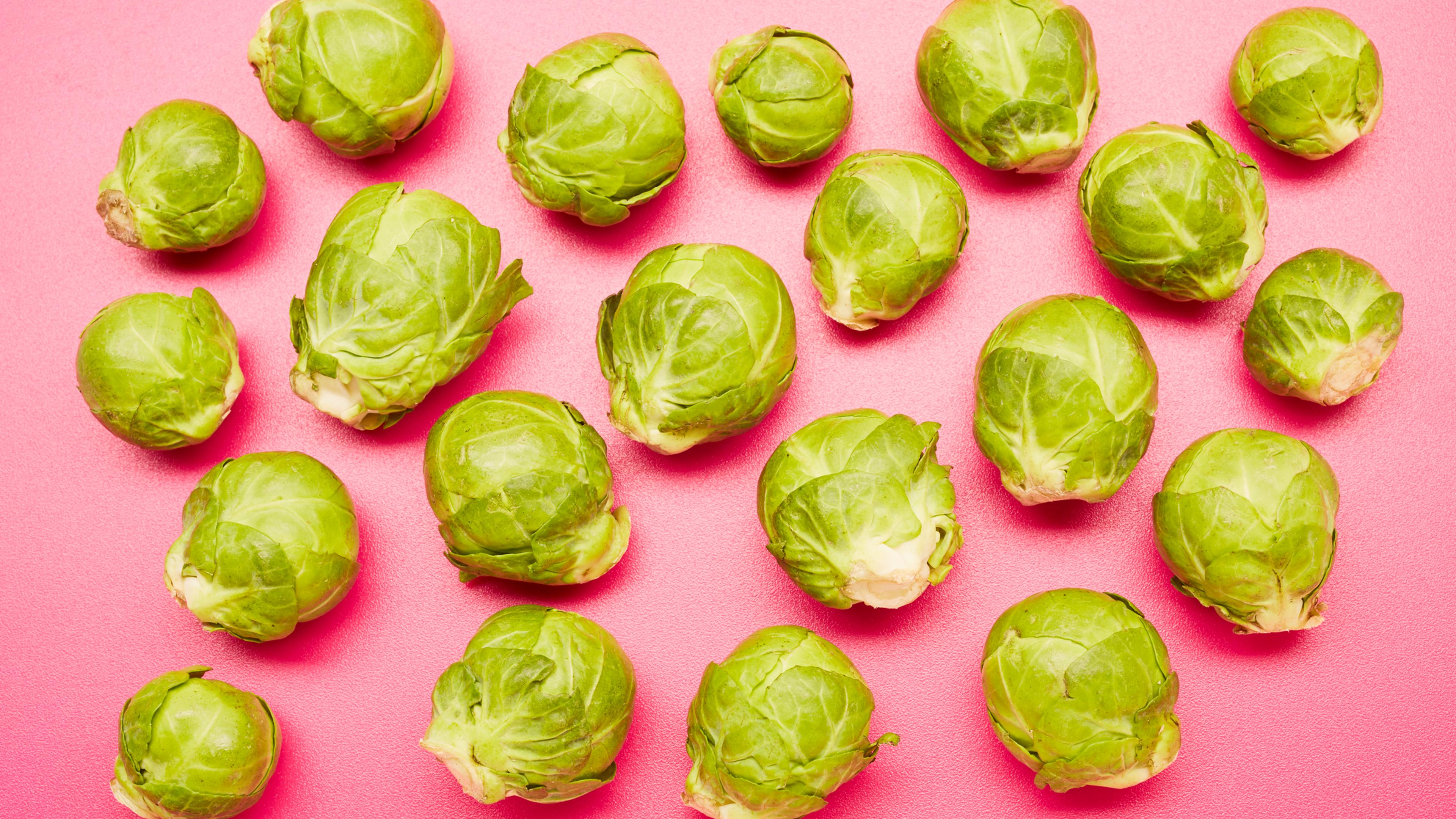
Dr. Pasricha suggests incorporating high-fiber foods such as peas, Brussels sprouts, and artichoke hearts into meals. These foods not only ease constipation by adding bulk to the stool but also enhance its water content, making it easier to pass. For instance, peas contain an impressive 9.4 grams of fiber per cup, while Brussels sprouts add another 6 grams.
Delicious Alternatives for Snacking
For those seeking healthy snack options, roasted chickpeas present a crunchy alternative to traditional salty snacks like chips. A one-ounce serving provides 5 grams of fiber, satisfying snack cravings without compromising health. Beans and lentils are additional excellent sources of plant-based protein and fiber, with varieties like black beans and pinto beans boasting up to 15 grams of fiber per cup.
The Surprising Benefits of Kiwis
Interestingly, recent studies funded by kiwi producers suggest that consuming two kiwis daily can help alleviate constipation, producing similar results to fiber supplements. This revelation opens a palatable food option for those looking to improve gut health. Not only are kiwis delicious, but they also deliver essential nutrients that may impact gut function positively.
Traditional Remedies That Work
Prunes, often dismissed as a remedy for the elderly, have proven effective in combating constipation. Studies show that consuming around ten prunes a day can enhance stool frequency and consistency. Yet, it’s important to note that while prunes can lead to bloating, kiwis offer a less problematic alternative with similar benefits.
As you navigate your dietary adjustments, remember to gradually increase fiber intake to avoid discomfort. Many people find that small increments of 5 grams per week are manageable and effective, preventing potential bloating or cramping.
Consulting Healthcare Professionals
While these dietary changes significantly improve gut health, it’s crucial to seek medical advice for persistent digestive issues. Early intervention can prevent complications and ensure appropriate treatment for varying types of constipation. Engaging with healthcare providers can also help identify underlying causes that might require specific therapies.
In conclusion, making informed dietary choices can lead to remarkable improvements in digestive health. By embracing fiber-rich foods and recognizing the benefits of traditional remedies, individuals can enhance their gut health and overall quality of life.




