The Unforgettable Legacy of Chapal Bhaduri: A Star Rediscovered
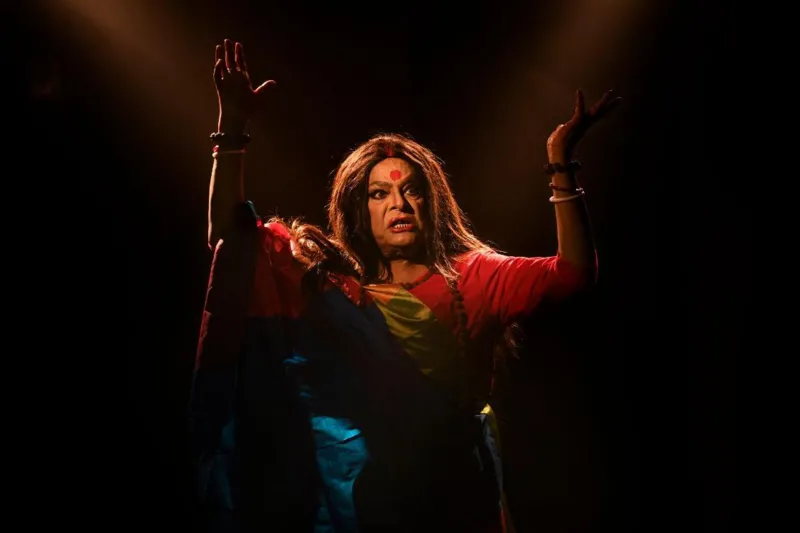
In a captivating exploration of Bengal's theatrical history, the life of Chapal Bhaduri stands out as a testimony to resilience and artistry in a changing world. A new book titled Chapal Rani: The Last Queen of Bengal by Sandip Roy dives deep into the life of Bhaduri, who defied societal norms and captured the hearts of many through his powerful performances in jatra, a traditional style of theater.
A Journey Through Gender and Theatre
Bhaduri, born in 1939, became a symbol of an era where male actors took on female roles in a cultural landscape that often stigmatized their artistry. With a career that spanned over six decades, he embodied various powerful female characters, showcasing deep emotional depth in performances that transcended mere mimicry. His approach to acting was both revolutionary and personal, as he navigated the complexities of gender identity while bringing enchanting characters to life.
The Renaissance of Performance Art
The narrative around Bhaduri is not just one of personal triumph; it speaks of a broader cultural shift. As societal acceptance of women in theatre grew, so did the challenges for people like Bhaduri. Rather than succumbing to rejection, Bhaduri demonstrated resilience by adapting his craft and finding beauty in performing folk traditions, such as embodying Sitala, the protector goddess.
Legacy and Recognition
In recent years, Bhaduri's story has experienced a renaissance of its own. Documentaries and films have rekindled interest in his life, showcasing him as a vital part of LGBTQ+ history in India. This growing recognition serves as a poignant reminder of the importance of preserving narratives that reflect the evolving understanding of gender and artistry.
Reflection on Gender Fluidity in the Arts
Bhaduri's journey raises vital questions about the intersections of gender, performance, and societal acceptance. His legacy reminds us that the expression of gender is multifaceted and often defies easy categorization. The examination of his life invites new generations to engage with the dialogues around identity, memory, and the arts, encouraging a more inclusive appreciation of diverse histories.
In an age where awareness of LGBTQ+ rights is gaining momentum, Bhaduri’s story resonates as an empowering testament to the complexities and richness of human identity. As we celebrate his life, we simultaneously consider the narratives that have yet to be told, understanding that every performer has a unique place in the grand tapestry of cultural history.

