The Unforgettable Legacy of Chapal Bhaduri: A Queen of Bengali Theatre
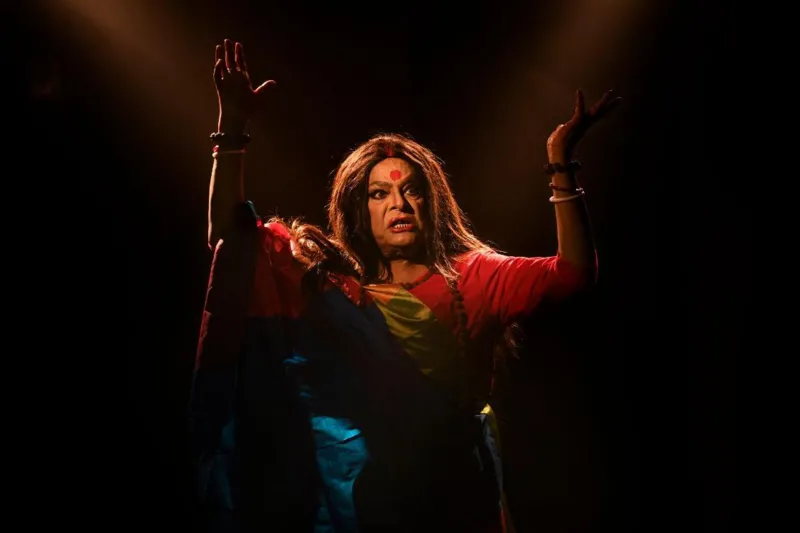
In a captivating exploration of gender and performance, writer Sandip Roy's new book, Chapal Rani: The Last Queen of Bengal, revisits the extraordinary life of Chapal Bhaduri, a pioneering figure in jatra—a unique form of Bengali theatre. Known as the "queen" of this travelling theatre tradition, Bhaduri’s story is not merely one of stardom, but also of the complexities of identity and the shifting landscape of performance art in Bengal.
A Life on Stage
Chapal Bhaduri, born in 1939 in Kolkata, began his acting career at the age of 16. Escaping the constraints of rigid gender expectations, Bhaduri became renowned for his portrayal of female characters with an authenticity that transcended the usual caricatures. His performances were immersive, delving deep into the emotions and struggles of the women he portrayed. In an era when queer representation often skewed toward the comedic, Bhaduri brought a profound sincerity to his craft.
Resilience Amid Change
As society began to embrace female performers in more prominent roles, male impersonators found themselves increasingly marginalized. Bhaduri's talent did not go unnoticed, yet with each passing year, the landscape shifted against him. Despite the challenges, he carved out a life, engaging in various jobs after his stage career waned. The resilience he displayed through these hardships is a testament to his spirit and dedication to performance.
A New Generation Honors His Memory
Recent years have seen a revival of interest in Bhaduri’s legacy, as younger generations of performers and audiences discover his contributions to theatre. The rising LGBTQ+ movement in India has especially embraced his story, recognizing him as a bridge between historical and contemporary explorations of queer identity. Bhaduri, however, resisted labels, choosing instead to define his identity on his own terms—a choice that complicates contemporary interpretations of his life.
Confronting the Past, Celebrating the Present
Roy's documentation of Bhaduri’s life raises essential questions about the nature of memory and representation in the arts. Why do some performers fade into obscurity while others are celebrated? In unraveling this narrative, we are reminded of the importance of preserving the stories of those who have shaped cultural landscapes, even as they navigate personal struggles and societal changes.
Chapal Bhaduri’s legacy is one of complexity and courage, an exploration of the fluidity of gender and the power of performance. As discussions around gender identity continue to evolve, Bhaduri’s story serves as a vital reminder of the rich tapestry of human experience within the world of theatre.

