
The Unexpected Impact of Humor on Family Caregiving Conversations
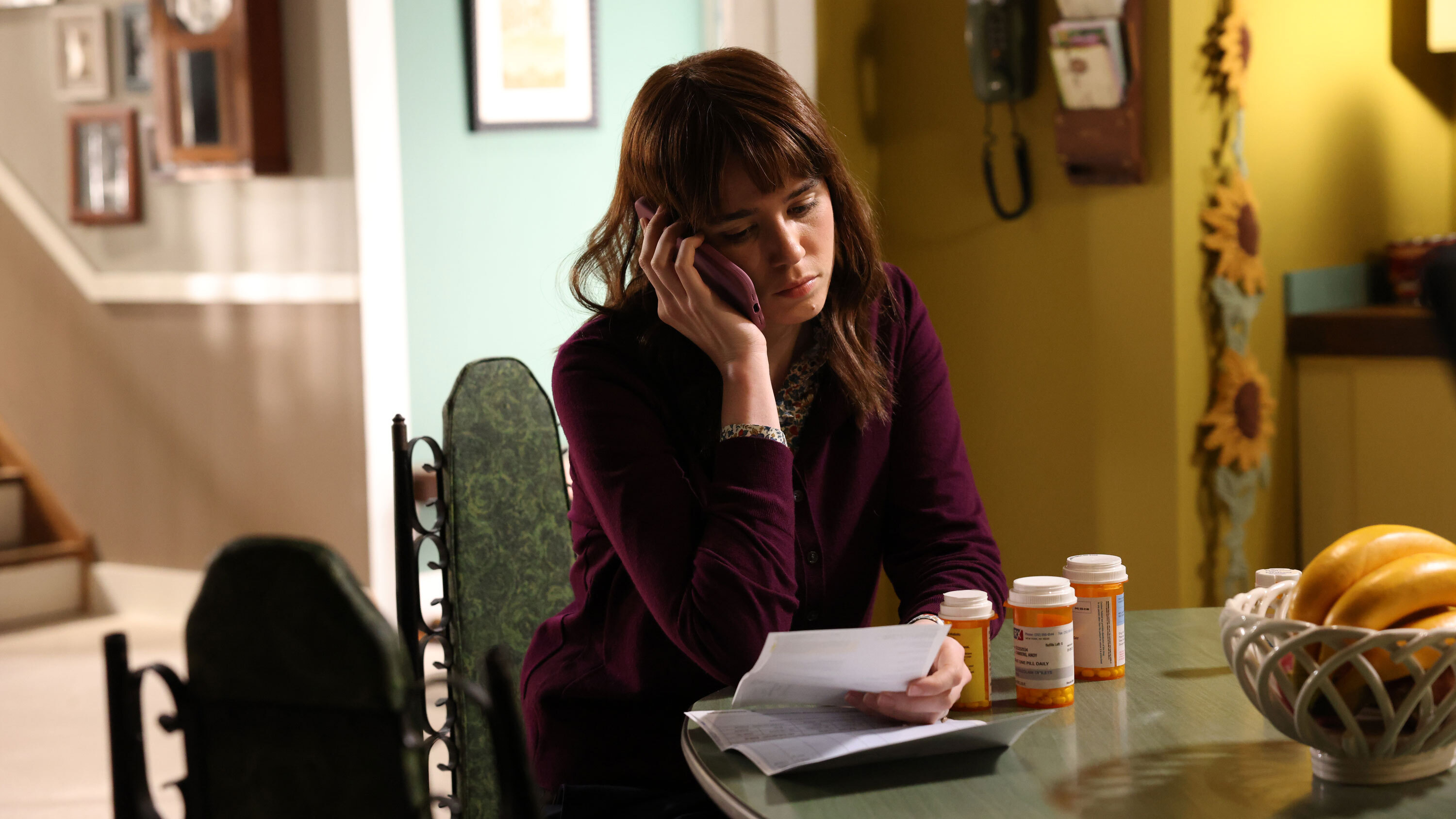
In a world where family dynamics often dictate personal responsibilities, a recent sketch from Saturday Night Live has struck a chord with viewers by blending humor and poignant social commentary on caregiving roles within families. The sketch, titled "Sister," features a woman who becomes a live-in caregiver for her aging parent, unveiling the pressures and assumptions often placed on women in such roles.
Highlighting Caregiver Struggles
The premise of the sketch showcases the absurdity and burden that many feel when it comes to family caregiving. Liz Plank, a commentator on the sketch, noted its powerful commentary, suggesting that it acts as a 'documentary' of sorts for many women facing similar circumstances. Caregivers across the spectrum, like Viva Mogi, have praised the skit for resonating deeply while also triggering complex emotions about their experiences.
A Growing Conversation
Despite its comedic undertones, the sketch has opened the door to important discussions about caregiving responsibilities traditionally assumed to fall to women. Nicole Simone hailed it as one of the most progressive sketches to air on television, encouraging a reevaluation of who is expected to provide care within families. This reflection is particularly critical as the labor of caregivers continues to be underappreciated and often overlooked.
Recognizing the Caregiver's Role
Kim Elliott, founder of caregiving resource Gray Monster, shared that the sketch has led to an outpouring of recognition and relatability among caregivers. The post-sketch discussions highlight not only the experiences of those directly involved but also those who observe and want to support. As Elliott points out, the humor serves as a crucial entry point into a complex issue that typically carries a heavy emotional burden. This reflection is significant, especially with the Thanksgiving holiday approaching, which often amplifies family dynamics and caregiving responsibilities.
In conclusion, the SNL sketch, while primarily comedic, has unintentionally fostered a valuable dialogue about caregiving roles, shining a light on the often-missed sacrifices made by many. It encourages families to discuss responsibilities more openly and fairly, ensuring that the emotional and financial impacts of caregiving are shared and understood.


