The Surprising Benefits of Being a Grandparent: A New Study Reveals
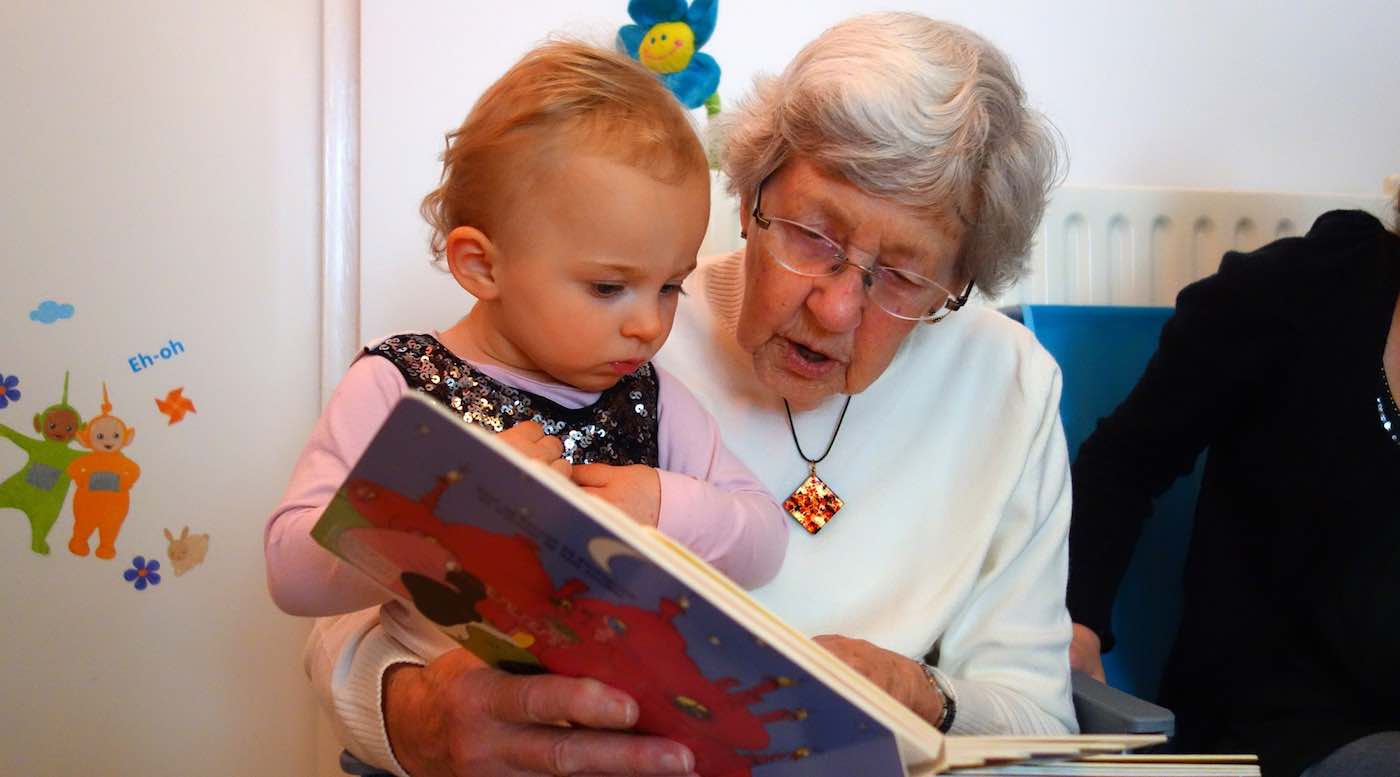
Recent research highlights a remarkable link between grandparenting and cognitive health. According to a study conducted by researchers at Tilburg University, actively caring for grandchildren may serve as a protective measure against cognitive decline and dementia in older adults.
The Study's Findings
The research involved 2,887 grandparents aged over 50 in England, who participated in surveys and cognitive tests over a span of six years. Lead researcher Flavia Chereches noted that many grandparents engage in care activities that not only support their families but may also enhance their own mental faculties. It turns out that the act of caring—regardless of the frequency or specific tasks—was associated with superior memory and verbal fluency scores compared to those who did not provide childcare.
A Positive Impact on Health
One of the most intriguing findings was that grandmothers who took on caregiving roles experienced less cognitive decline over the study period than their peers who did not engage in such activities. Chereches emphasized that the nurturing experience itself may have a more significant impact on cognitive functioning than the amount of time spent or the specific nature of the caregiving.
A Growing Trend
In the UK alone, around five million grandparents regularly undertake childcare, with many babysitting weekly, often to assist their children financially. Age UK supports this, pointing out that responsibilities related to grandparenting keep seniors mentally and physically active, significantly reducing feelings of loneliness, provided the caregiving does not become a burden.
This research not only underscores the positive aspects of being a grandparent but also calls for further inquiry into the long-term benefits of intergenerational connections. As more families recognize the supportive role grandparents can play, this trend could lead to healthier aging, fostering both family ties and mental well-being.

