The Surprising Benefits of Being a Grandparent: A Key to Cognitive Health
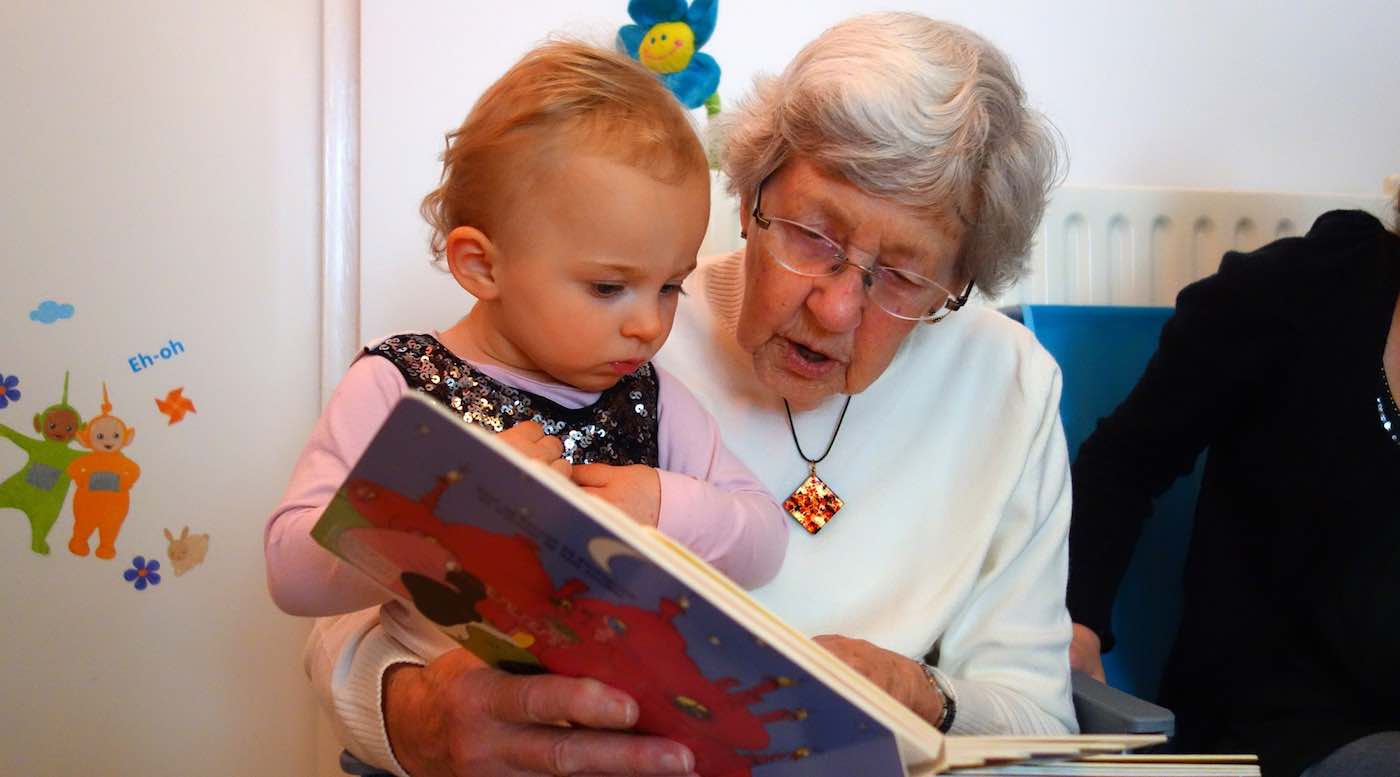
Recent research reveals an uplifting truth about the role of grandparents in today's families: engaging in grandchild care may significantly aid in preserving cognitive health among older adults. The study, conducted by researchers at Tilburg University, suggests that the act of caring for grandchildren not only supports the family unit but also acts as a protective buffer against cognitive decline and dementia.
Research Insights
Lead researcher Flavia Chereches analyzed data from 2,887 grandparents aged 50 and over, studying the correlation between their involvement in childcare and their cognitive test scores. The findings, published in the journal Psychology and Aging, indicate that grandparents who provided care—regardless of the frequency—performed better on memory and verbal fluency assessments than those who did not engage in grandparenting activities.
The Positive Impact of Caregiving
What stands out from the study is that the cognitive benefits appear not to depend on the frequency or intensity of care provided but rather on the enriching experience of being actively involved in a grandchild's life. This suggests that those in a caregiving role may experience mental rejuvenation simply from their connection with grandchildren.
Moreover, the research resonates with the reality faced by millions of families. In the UK alone, around five million grandparents undertake childcare responsibilities, often helping their own children manage the demands of parenthood while simultaneously enhancing their mental and physical wellbeing.
A Broader Perspective on Grandparenting
The research not only promotes the mental health benefits of grandparenting but also sheds light on its societal implications. By minimizing cognitive decline through caregiving, grandparents reinforce the family structure, providing essential support at a crucial time for parents. Additionally, these activities help combat loneliness and maintain physical activity, resulting in a healthier, more vibrant older generation.
The findings encourage families to foster and value the grandparent-grandchild bond, advocating for a model that recognizes the multifaceted benefits of caregiving. As more families navigate the balancing act of work and child-rearing, this research serves as a reminder of the importance of involvement, not just for grandchildren, but also for the mental vigor of their guardians.

