The Remarkable Rise of Citizen Science in Australia: Engaging a Million Passionate Participants
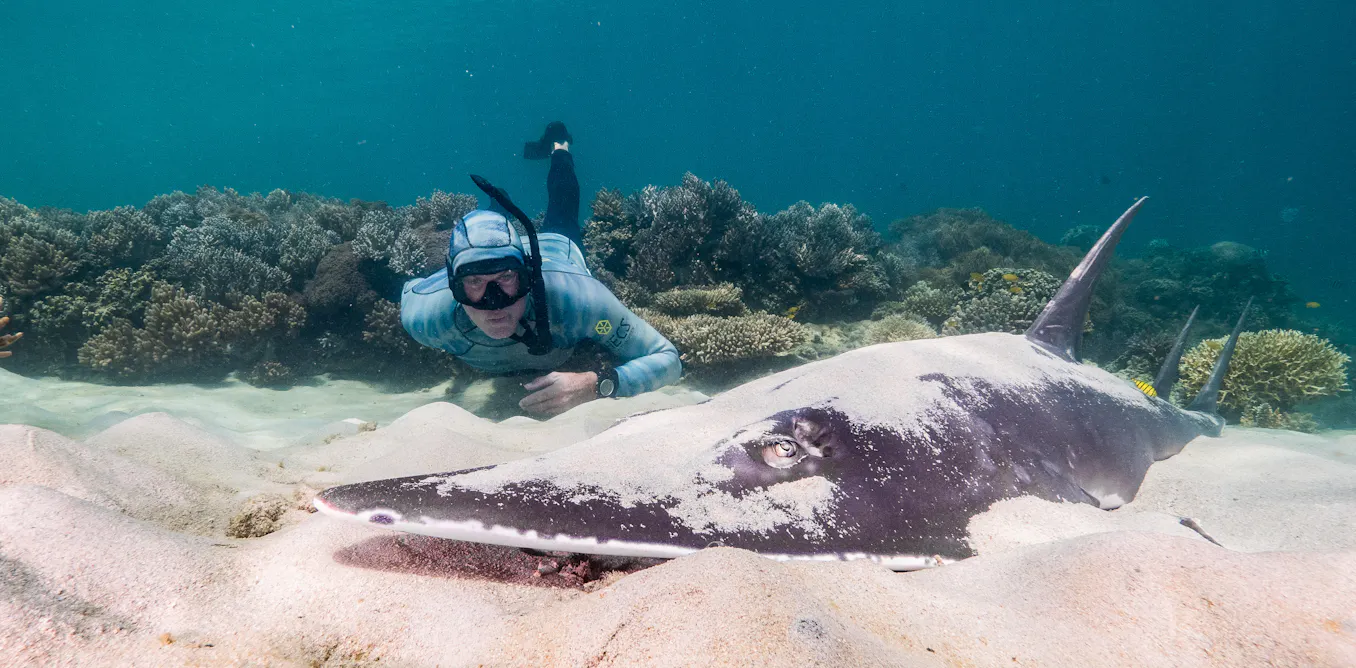
Citizen science is experiencing a significant surge in Australia, with estimates suggesting that over a million individuals are now participating in scientific research alongside professionals. Historically limited to a few committed enthusiasts, citizen science is opening the doors for everyday people to engage in crucial conservation efforts and scientific discoveries.
The Legacy of Involvement
The concept of citizen science is not new; figures like Charles Darwin and Ferdinand von Mueller paved the way for community engagement in scientific research. Darwin's networks of naturalists and Mueller's extensive cataloging of Australian flora exemplify the valuable contributions that non-professionals have made throughout history. These early examples set the stage for today’s vibrant movement, highlighting how citizen scientists can uncover significant discoveries.
Modern Contributions and Discoveries
Recent participation in citizen science has yielded remarkable findings, from the rediscovery of the bridled nailtail wallaby to the identification of a new coral meadow in the Great Barrier Reef by Jan Pope and her daughter. These contributions underline the vital role citizen scientists play in not just data collection but also in expanding our understanding of biodiversity and environmental health.
The Impact of Collaboration
Collaboration between citizen scientists and professional researchers enhances the validity of data collected. The standard practices established have forged trust in the contributions made by community members, ultimately leading to recognition of citizen science in critical reports on Australia's environment. This collaborative approach is essential in addressing contemporary challenges, such as climate change, where local observations can drive significant local and regional actions.
Empowering Communities for the Future
The potential of citizen science to engage communities and empower individuals in scientific endeavors cannot be overstated. With minimal government funding currently allocated to citizen science, there is ample opportunity for increased support, which could transform how communities work together to tackle issues like climate change. The insights gained from these passionate individuals can fuel monumental shifts in both scientific knowledge and conservation efforts.
In conclusion, as highlighted by anthropologist Margaret Mead, the contributions of committed citizen scientists are invaluable, serving as a reminder that collective action can indeed change the world. Encouraging this movement offers a promising avenue for scientific advancement and environmental stewardship in Australia.