The Remarkable Journey of Chapal Bhaduri: A Star Rediscovered
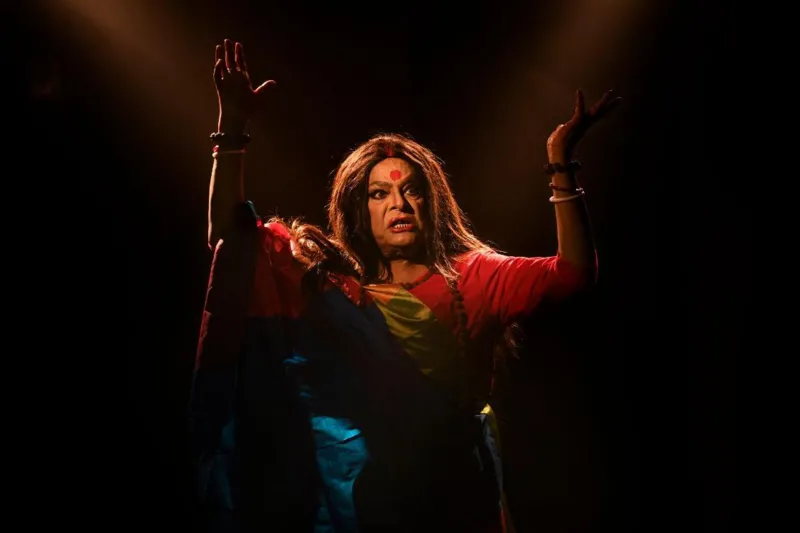
Chapal Bhaduri, once the reigning "queen" of jatra in Bengal, represents a fascinating confluence of art, gender, and identity in mid-20th century India. Known for his stunning performances, Bhaduri's journey from stardom to obscurity reflects not just the complexities of his personal life, but also the evolution of Indian theatre and the recognition of LGBTQ+ histories.
A Cultural Icon in a Shifting Landscape
Bhaduri's mastery of performance art, particularly in the traditional jatra format, captivated audiences and highlighted the rich cultural tapestry of Bengal. As a male actor portraying female roles, Bhaduri was not merely participating in a theatrical tradition; he was redefining it. His ability to inhabit roles such as queens, courtesans, and goddesses demonstrated a deep understanding of femininity and an impressive skill set that gave life to characters with authenticity and emotional depth.
Legacy and Recognition
Despite the gradual decline of male impersonators in jatra, Bhaduri's influence continued to resonate. Recent years have seen a revival of interest in his life through books and documentary films that chronicle his contributions to theatre. This rekindled interest not only celebrates Bhaduri's artistry but also elevates discussions around gender fluidity in performance art, making his story significant in the contemporary context of identity politics.
Facing Challenges with Grace
Though Bhaduri faced rejection as the theatre landscape shifted towards female performers, his resilience is noteworthy. For decades, he struggled to make a living while remaining true to his artistry. Through odd jobs, he maintained his connection to performance, embodying the folk goddess Sitala on the streets, showcasing his commitment to his craft even in adversity.
A Lasting Influence on Queer Narratives
Today, as society increasingly embraces diverse representations of gender and sexuality, Chapal Bhaduri's legacy is being recognized as a pivotal part of India’s cultural history. By shedding light on stories like his, we not only honor the artistry of individuals who have shaped our cultural milieu, but also challenge the societal norms that have historically marginalized them.

