The Legacy of Chapal Bhaduri: A Trailblazer of Gender Fluidity in Theatre
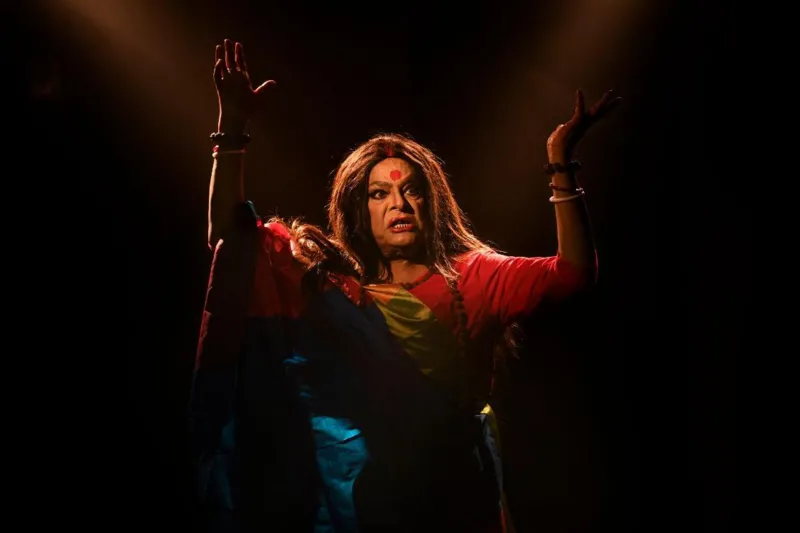
In the rich tapestry of mid-20th Century Bengal, an intriguing narrative unfolds around Chapal Bhaduri, affectionately known as Chapal Rani. This remarkable performer was a cornerstone of jatra, a vibrant and traditional form of travelling theatre that captivated audiences with its music, myth, and melodrama. Bhaduri's journey is not just a personal story; it reflects a significant cultural shift in the perception of gender and performance in Indian art.
The Rise of a Star
Bhaduri was born in 1939 in north Kolkata to a stage actress, immersing him in the world of performance from an early age. Starting his acting career at 16, he quickly transcended the limitations of his assigned gender roles. Capturing the essence of femininity with grace and dedication, he portrayed characters such as queens, courtesans, and goddesses. His commitment to authenticity in performance set him apart in a time when male impersonation in roles was often relegated to caricature. His ability to deliver deeply felt, immersive performances in jatra earned him a dedicated following.
Challenges and Resilience
The evolution of societal norms about gender and performance brought significant challenges for Bhaduri. As women began taking to the stage, the landscape of jatra was changing, leading to a decline in male impersonators' acceptance. Despite facing rejection and ridicule, including being booed off stage, Bhaduri's resilience never waned. He adapted by finding work in various odd jobs while still embodying the folk traditions he had once thrived in.
A Second Act in Visibility
In later years, there were renewed efforts to recognize Bhaduri's contributions to the arts. Bengali filmmaker Kaushik Ganguly and other artists brought his story to a new audience, allowing younger generations to appreciate him not only as a performer but as a queer elder and icon. The LGBTQ+ movement in India began to elevate Bhaduri’s legacy, recognizing him as an essential figure in the historical narrative of gender fluidity and performance.
Reflections on Memory and Legacy
As Bhaduri spends his retirement years in a facility near his childhood home, his life story prompts important questions about cultural memory. Why do some stories endure while others fade? Through the documentation of his life in Sandip Roy's book, "Chapal Rani: The Last Queen of Bengal," the significance of Bhaduri’s contributions is revitalized, urging society to reconsider who is remembered and celebrated in the arts. His story exemplifies the complexities of identity and survival in a changing world, reinforcing that the legacies of marginalized performers like Bhaduri are crucial for understanding the evolution of gender and performance in society.

