The Inspiring Comeback of the Green and Golden Bell Frog
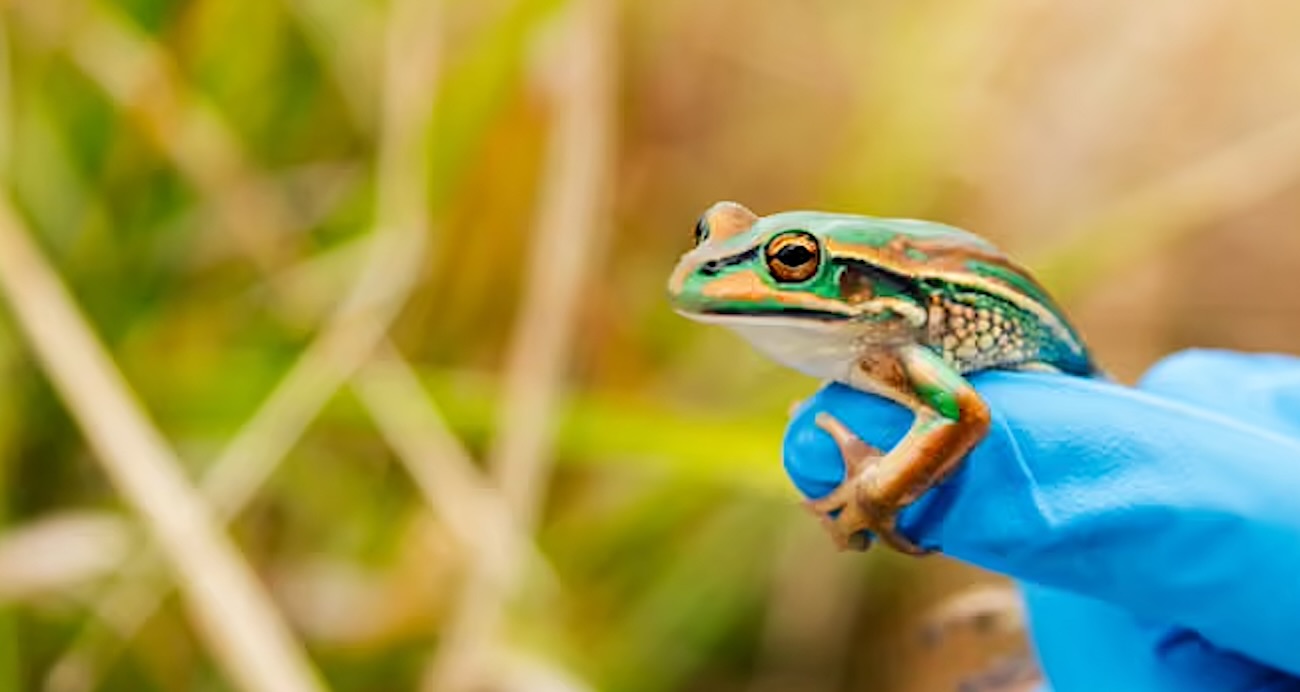
In a remarkable conservation effort, the green and golden bell frog is making a triumphant return to the wetlands of Canberra, Australia. After facing a catastrophic population decline due to the chytrid fungus, dedicated scientists are breathing new life into this beautiful amphibian species, promising a hopeful future.
Innovative Reintroduction Strategies
Scientists at the University of Canberra have embarked on a monumental task: reintroducing these frogs, which have not been seen in the Australian Capital Territory since around 1981. A total of over 300 captive-bred frogs are set to be released in carefully designed environments, including ponds equipped with “frog saunas.” These unique structures, made from piles of black bricks covered with plastic sheets, are designed to create a refuge with temperatures lethal to the chytrid fungus, thus protecting the frogs as they adapt back to their natural habitat.
Building a Future for Frogs
With 180 frog saunas installed around the release sites, the initiative aims to establish a robust population of green and golden bell frogs. Each female has the potential to produce approximately 8,000 eggs in a single mating season, which could lead to a rapid increase in their numbers. Although the offspring may still face risks from the chytrid fungus, the engineered environments will provide crucial support to their survival.
Hope for Biodiversity
As chytrid fungus continues to threaten amphibian populations worldwide, the ongoing research and restoration efforts in Canberra represent a beacon of hope. The commitment to safeguarding these frogs and their ecosystems may not only benefit the green and golden bell frog but also contribute significantly to broader conservation initiatives aimed at preserving biodiversity in Australia and beyond.

