
The Incredible Comeback of Australia's Bogong Moths: A Signs of Hope
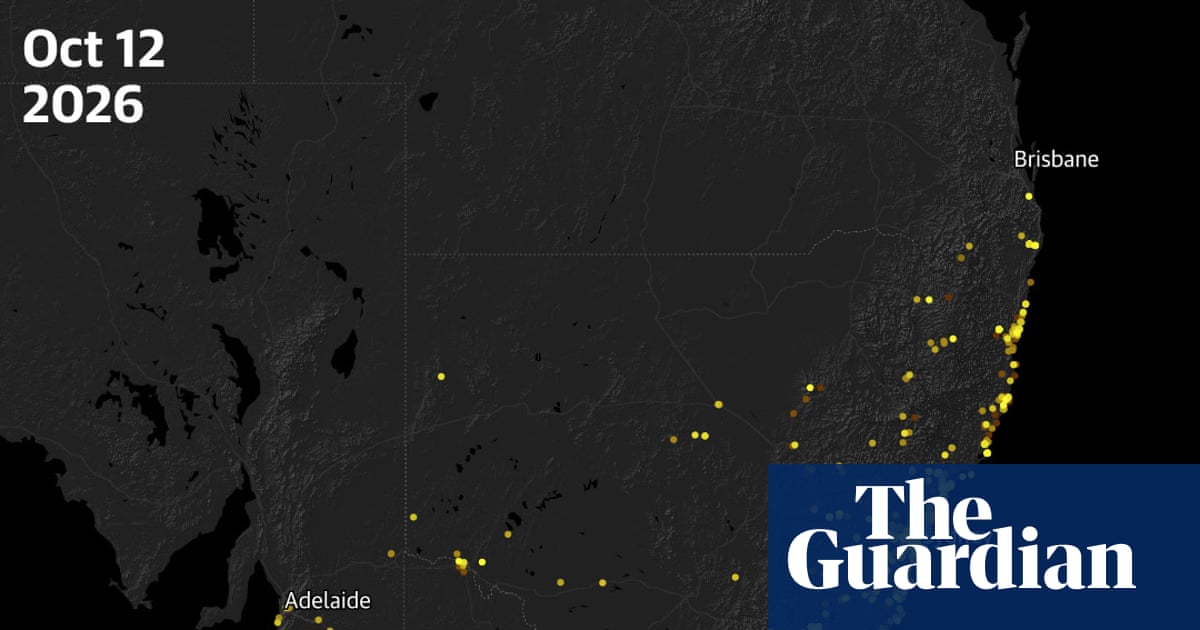
Recent observations reveal a remarkable resurgence of the bogong moth population in eastern Australia, signaling a positive shift for both the ecosystem and the endangered species that rely on these insects. After years of significant decline, this year marks a notable recovery for the bogong moths, which were once described as nearly extinct in certain habitats.
A Historical Perspective
Historically, bogong moths were so abundant that they numbered in the billions, famously migrating to the Australian Alps each summer in a massive spectacle. However, their population faced dramatic declines due to a combination of factors, including prolonged drought and human impact, leading to their near disappearance by 2017.
The Role of Citizen Science
This year's resurgence has been documented through citizen science initiatives, particularly the Bogong Watch project on the iNaturalist platform. Observations from the community indicate a resurgence in sightings, with an animated map illustrating this heartening trend. Although citizen science data can have its limitations, the evidence is clear that the bogong population is rebounding, which is encouraging news for ecologists and conservationists alike.
Implications for the Ecosystem
The revival of the bogong moth population is not just a win for conservationists; it also holds significant implications for the broader ecosystem. These moths play a crucial role in pollination, supporting various flora and serving as a food source for endangered animals like the mountain pygmy possum. This interdependence highlights the importance of biodiversity and the intricate relationships within ecological systems.
In conclusion, the comeback of the bogong moths serves as a reminder of nature's resilience and the positive impact that focused conservation efforts can have. As the environmental conditions improve, there is hope that this trend will continue, restoring balance to the ecosystems of eastern Australia.


