The Great Lakes: A Welcome Transformation Amidst Winter's Chill
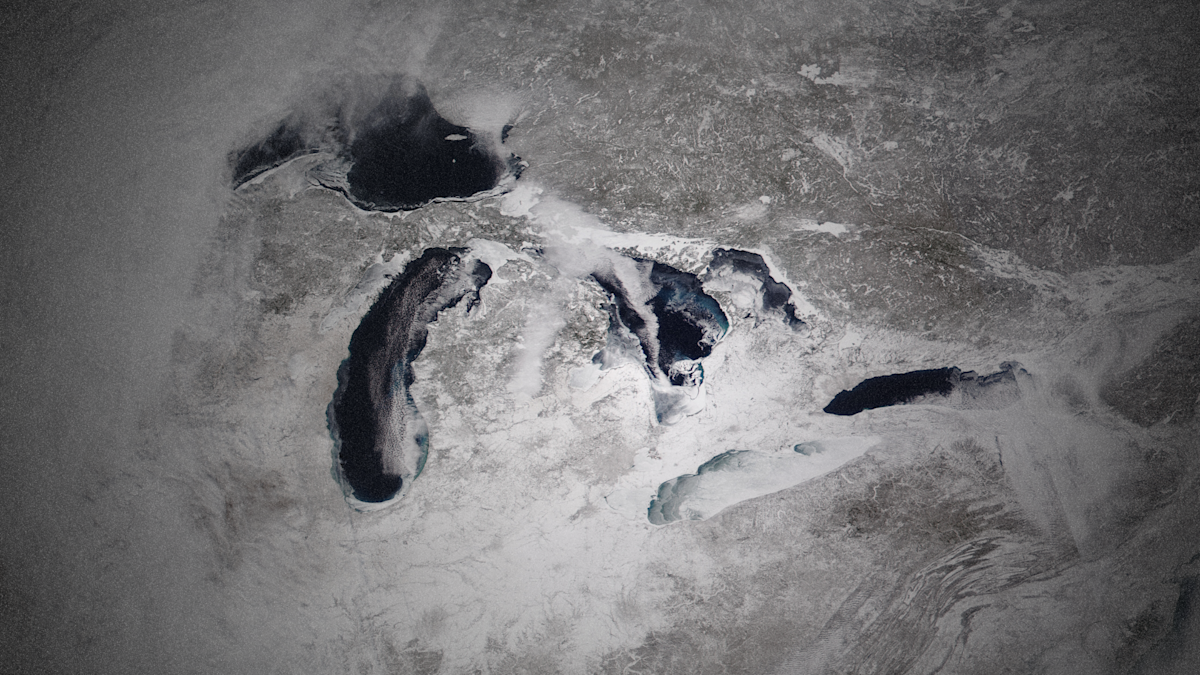
As frigid temperatures grip the Great Lakes region, a notable transformation is taking place beneath the surface. This winter, the lakes are experiencing significant ice coverage, leading to a reduction in the heavy snowfall that has plagued communities. With nearly 56% ice coverage observed, up from just 15.5% a few weeks prior, the ice formation signals a shift that many locals may welcome.
The Benefits of Ice Coverage
The recent cold snap, with temperatures plummeting and several areas recording sub-zero readings, has given rise to a robust layer of ice across the Great Lakes. Lake Erie boasts an impressive 96% ice coverage, while nearly three-quarters of Lake Huron is now similarly frozen. This surge in ice will contribute to shutting off the lake-effect snow that often disrupts daily life, allowing communities to breathe a sigh of relief.
Economic and Environmental Impacts
Beyond the immediate meteorological effects, growing ice coverage presents potential economic benefits for lakeside towns. Activities such as ice fishing and winter sports rely significantly on stable ice conditions, offering a boost to local economies during the winter months. Furthermore, research indicates that a solid layer of ice can help mitigate wave activity, providing a more stable environment for delicate aquatic ecosystems.
In essence, while the cold may persist and present its own challenges, the emergence of thick ice coverage on the Great Lakes offers an optimistic outlook for communities. It not only promises a reprieve from the overwhelming snowfall but also supports recreational activities that enhance local economies, blending environmental resilience with community enjoyment.

