The Future of Urban Living: A Vision of Sustainability and Community
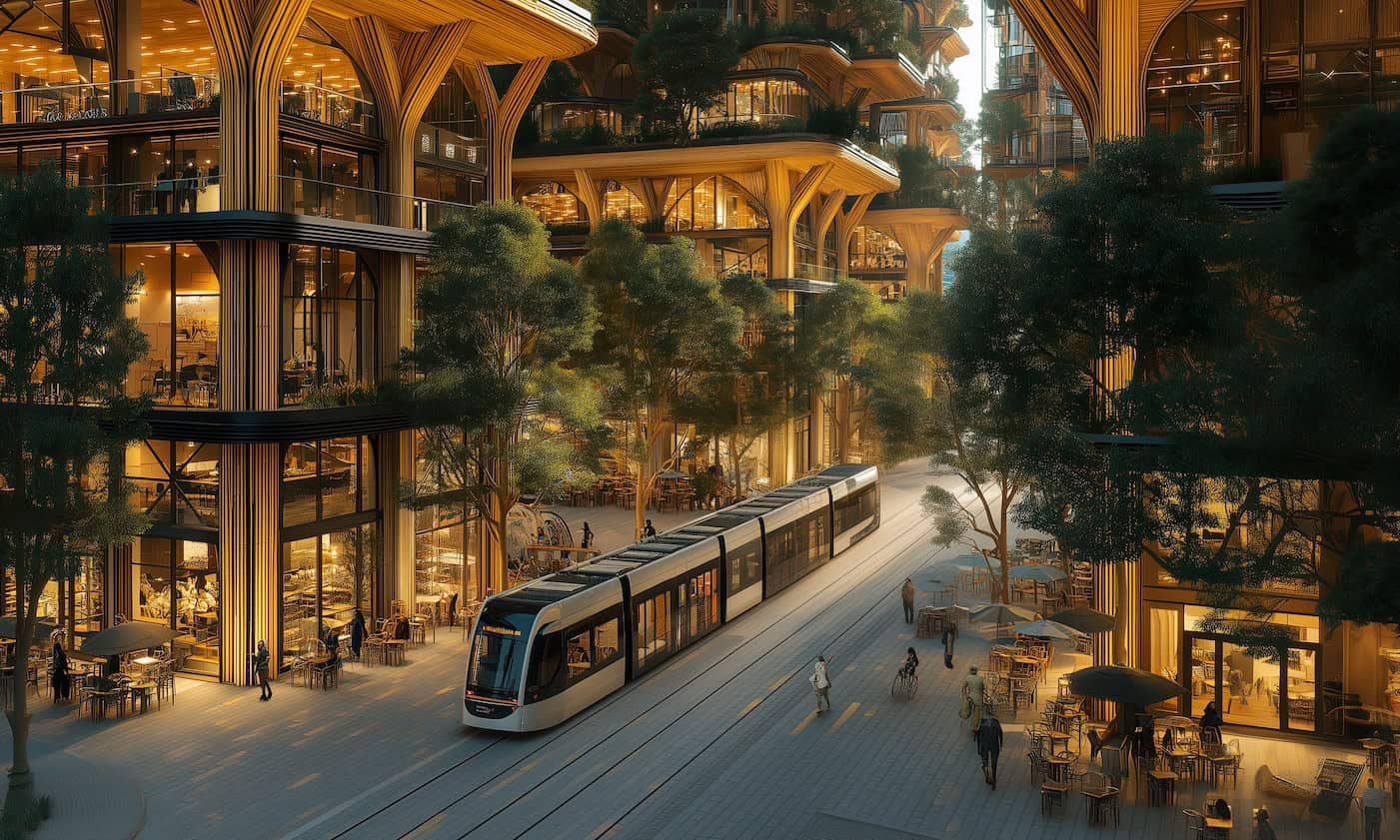
A new, optimistic vision for urban living is taking shape, highlighting an urgent need for cities that are liveable, sustainable, and resilient. The concept of Forest City 1, envisioned for the Cambridgeshire-Suffolk border in the UK, represents a transformative approach to the challenges of urbanization and sustainability.
Revolutionizing Urban Spaces
Imagine a city where wooden towers rise above an urban forest, equipped with solar technology and flourishing greenery. This isn't merely a dream; it's the blueprint for Forest City 1, which aims to reshape metropolitan life. With a layout that prioritizes nature and community, the design encourages biodiversity while delivering affordable housing through a Community Land Trust model. This innovative approach not only empowers residents but also has a ripple effect of affordability across the national housing market.
Smart Solutions for Sustainable Living
As we look toward 2037, Forest City 1 promises to completely redefine what urban living can be. By integrating advanced technologies, the city will feature buildings that generate their own energy and optimize resource use through smart systems. These innovations reflect a growing recognition that cities can be more than just concrete jungles; they can be vibrant, eco-friendly environments conducive to well-being.
A Move Towards Collective Well-being
Beyond just green structures, the city will allocate over 12,000 acres to forests, promoting biodiversity and offering residents a natural retreat. As visionary Joe Reeve points out, the goal is to create a living environment where people not only choose to reside but thrive. Such initiatives are gaining traction and support, indicative of a societal shift towards valuing sustainable urban living.
Global Examples of Urban Transformation
This movement isn't limited to Forest City 1; cities around the globe are also pioneering transformative urban designs. Paris, for example, has made significant strides in creating pedestrian-friendly spaces and reclaiming public areas for communal use, improving air quality and promoting healthier lifestyles. Likewise, cities like Stockholm and Vienna are following suit, demonstrating that the future is not only viable but already in motion across various metropolitan landscapes.
The evolution of city life is not merely about aesthetics; it encompasses systematic changes that address climate adaptability, population growth, and the demand for healthier living environments. As we shift towards greener, smarter urban designs, the focus is increasingly on how to blend human activity with ecological responsibility.

