The Fascinating Journey of Chapal Bhaduri: Rediscovering a Star of Jatra
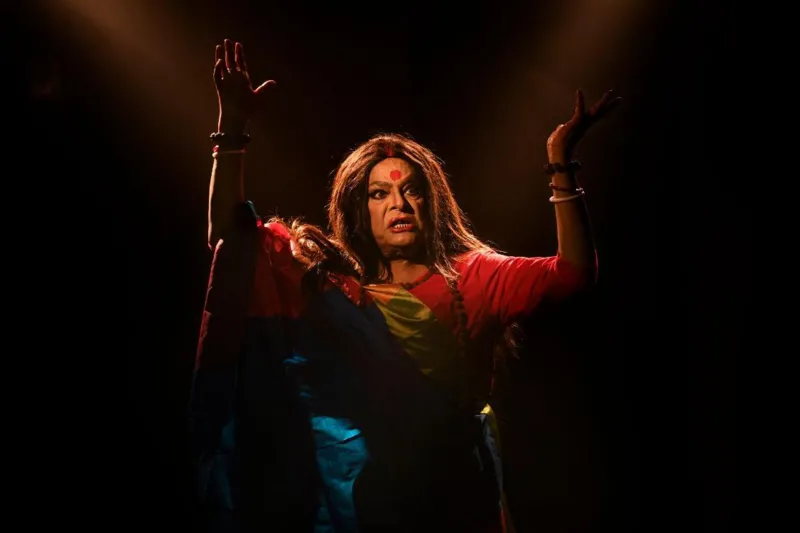
In an era when the stage was dominated by the unique theatrical tradition of jatra in Bengal, Chapal Bhaduri, also known as Chapal Rani, emerged as a remarkable figure. His story, as detailed in Sandip Roy's new book "Chapal Rani: The Last Queen of Bengal," serves as a testament to the rich history of gender fluidity in performance and the struggles faced by artists in navigating societal norms.
The Enigma of Chapal Bhaduri
Bhaduri, born into a family involved in the performing arts, began his journey as a young boy with aspirations of becoming a star. With a talent for embodying female characters, he brought grace to roles such as queens, courtesans, and goddesses, challenging traditional norms of gender performance. His commitment to authentically portraying femininity was profound, as he transformed his performances into immersive experiences that transcended mere caricature. In a time when queer representation often leaned toward ridicule, Bhaduri stood as an emblem of authenticity and bravery.
A Legacy in Transition
As societal dynamics shifted and female participation in theatre grew, Bhaduri’s once-celebrated position began to deteriorate. The disdain for male impersonation in female roles grew louder, echoing changes in audience expectations. His experience of being booed off stage exemplified the shifting tide against male queens in jatra.
Despite the challenges he faced, Bhaduri's legacy was not entirely lost. In recent years, filmmakers and authors like Kaushik Ganguly and Sandip Roy have brought renewed attention to his contributions, celebrating him as a pivotal figure in the LGBTQ+ movement in India. An effort to archive the memories of artists like Bhaduri offers a chance for contemporary society to reflect on its approach to gender and identity.
Celebrating a Complex Identity
Bhaduri’s resistance to labels reflects the complexity of identity in a rapidly changing world. Despite being hailed as a queer elder by a younger generation, he lived his life largely on his own terms, defying the categorizations that others attempted to impose upon him. His journey illustrates the intersection of art and personal identity, providing insight into the challenges faced by performers who step outside societal norms.
As we explore Bhaduri's story, it invites us to consider the importance of remembering those who have contributed to art forms that shape culture and identity. His life, filled with both brilliance and struggle, continues to resonate, reminding us that the performance of gender is as varied and complex as the stories that unfold upon the stage.

