Tetris Therapy: A Game-Changer in Trauma Recovery
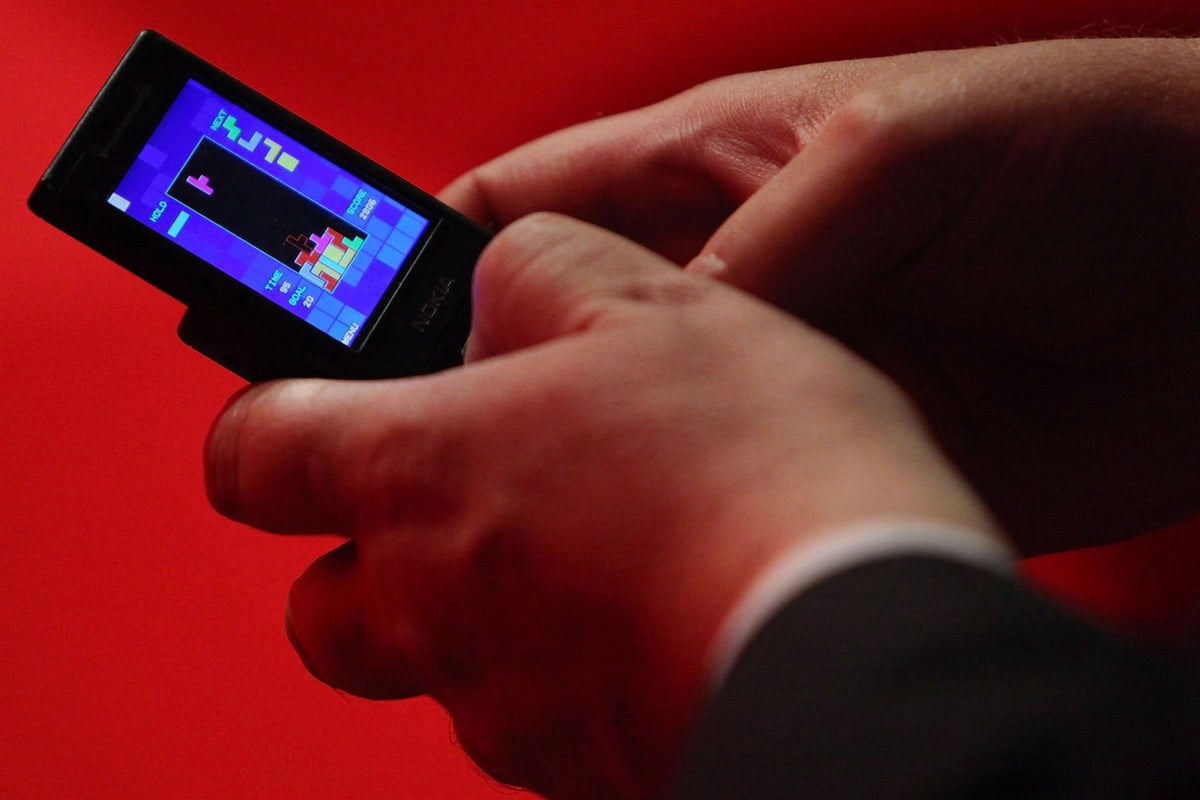
A recent study has revealed a groundbreaking approach to alleviating the effects of trauma, utilizing the classic video game Tetris. Conducted by researchers from the UK and Sweden, the trial demonstrated that engaging with this puzzle game significantly reduced distressing memories in individuals exposed to traumatic experiences, particularly among healthcare workers during the Covid-19 pandemic.
Transforming Trauma Treatment
The treatment method, known as imagery competing task intervention (ICTI), was administered to 99 NHS staff members who had witnessed traumatic events. During the intervention, participants recalled a traumatic memory followed by visualizing the Tetris blocks, which helped to occupy the brain's visuospatial areas. This technique effectively diminished the vividness of their intrusive memories, leading to a considerable reduction in flashbacks.
Promising Results and Future Implications
The findings of the study, published in The Lancet Psychiatry, were striking: those who utilized the Tetris-based intervention experienced 10 times fewer flashbacks than their counterparts over four weeks. In fact, 70 percent reported no intrusive memories at all after six months, marking a significant milestone in post-traumatic stress disorder (PTSD) intervention.
Professor Emily Holmes, who led the study, expressed her excitement about the implications of this simple yet effective technique, noting its potential to be integrated into daily life and mental health routines. “We hope to expand our research to include a broader range of people and scenarios,” she stated.
A Scalable Solution for Global Healthcare
As healthcare workers globally are frequently exposed to traumatic situations, this discovery offers a scalable digital intervention that can enhance their mental wellbeing. Charlotte Summers from the University of Cambridge emphasized the importance of such innovative solutions in a time when healthcare systems are under immense pressure.
With further testing planned on larger and more diverse groups, as well as the development of a non-guided version of the game, the potential for this Tetris-based treatment to revolutionize trauma recovery is immense. Tayla McCloud from Wellcome highlighted the significance of accessible and adaptable interventions in mental health therapies, advocating for broader access to effective treatments.
This exciting research not only shines a light on a novel application of a beloved game but also paves the way for future advancements in mental health care, offering hope for many who struggle with the aftermath of trauma.

