Tetris: The Unexpected Game Revolutionizing Trauma Recovery
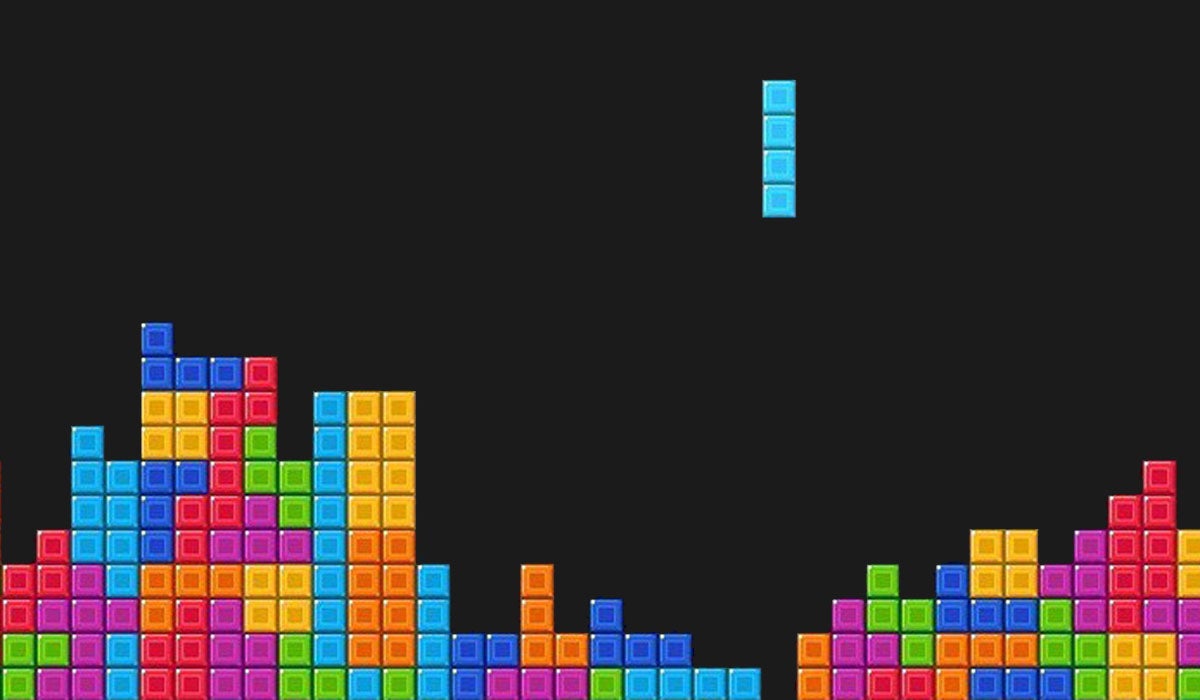
New research has unveiled a fascinating and potentially groundbreaking approach to trauma recovery: playing Tetris. This classic video game may offer a novel method for reducing distressing memories following traumatic experiences, particularly for healthcare workers who have faced the stark realities of their profession during the Covid-19 pandemic.
Transformative Findings in Trauma Treatment
A trial conducted by researchers from the UK and Sweden indicates that engaging with the puzzle game, through a method known as imagery competing task intervention (ICTI), significantly reduces the occurrence of flashbacks in trauma-affected individuals. In the study, 99 NHS staff members who had witnessed traumatic events were involved, with 40 participants using Tetris as part of their treatment journey.
The results are compelling. Those who played a slow version of Tetris experienced a tenfold decrease in flashbacks compared to other therapeutic approaches. The simplicity of this intervention—focusing on visualizing Tetris blocks while recalling traumatic memories—has shown to mitigate the vividness of these intrusive recollections, providing a sense of relief and control over their mental health.
Expert Insights on Mental Wellbeing
Professor Emily Holmes, who led the study, emphasized the importance of this non-invasive method, stating that even transient intrusive memories can have a profound impact on daily life. The findings suggest that the ICTI could serve as a valuable tool in promoting mental health for those grappling with the fallout of trauma.
Healthcare professionals like Charlotte Summers highlighted the timely nature of this research in light of the ongoing pressures on global healthcare systems. The prospect of a scalable intervention that supports the mental well-being of those caring for others could lead to significant positive changes within the field.
A Hopeful Future for Trauma Recovery
The study has opened doors for expanded research into ICTI, with aspirations to test its effectiveness on a larger demographic. Tayla McCloud from Wellcome expressed enthusiasm for the intervention's potential impact if larger trials yield similar positive results, indicating that this accessible approach may transcend language barriers and be easily integrated into various treatment contexts.
As we stand at the intersection of mental health innovation and accessible treatment, the integration of Tetris into trauma recovery practices signals an exciting and hopeful avenue for healing that could benefit countless individuals grappling with the impacts of traumatic experiences.

