Surprising Resilience: Polar Bears Thrive Despite Climate Challenges
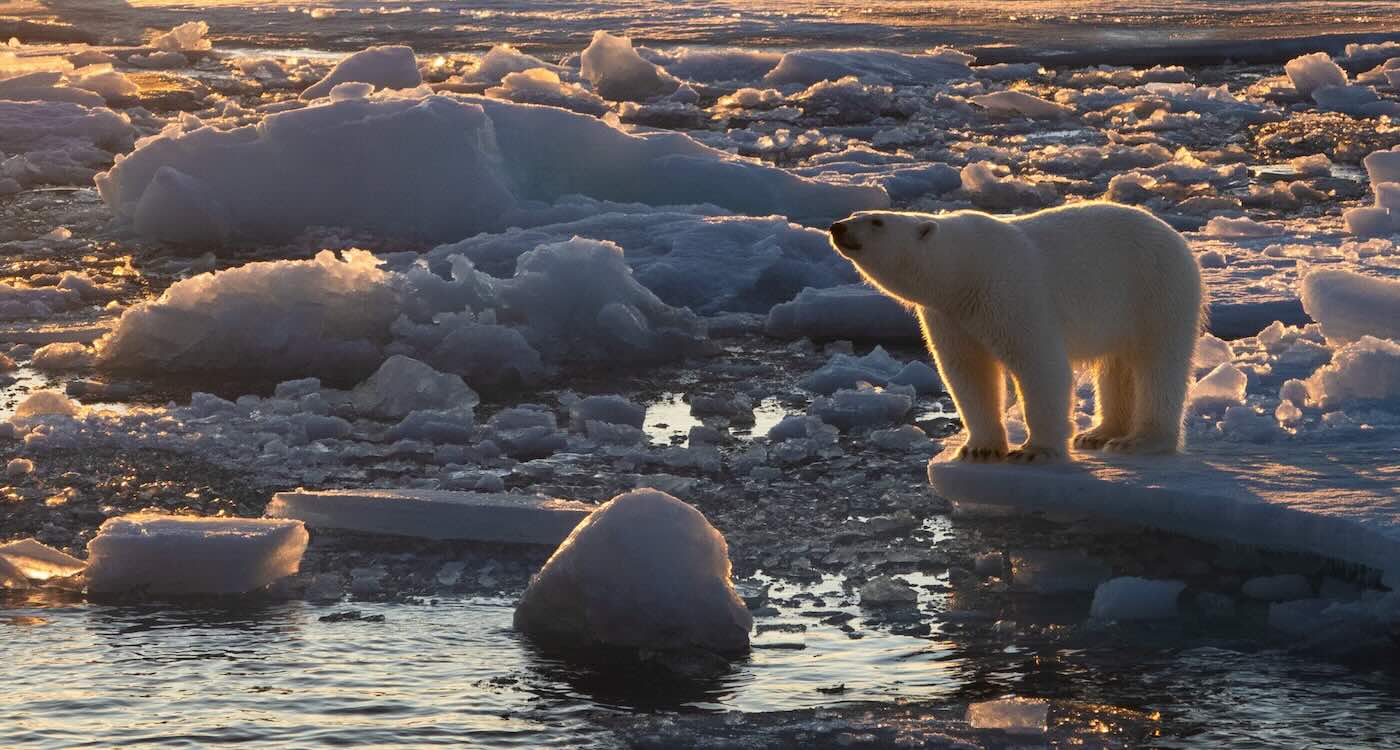
New research reveals that polar bears around the Norwegian island of Svalbard are in better physical health than they were 25 years ago, challenging earlier beliefs regarding the impacts of climate change on these majestic creatures. Contrary to expectations, the well-being of these bears has improved despite significant decreases in sea ice.
Unexpected Health Improvements
Published in the journal Scientific Reports, the study found that polar bears' fat reserves have notably increased since the year 2000. This finding is particularly surprising, given that the amount of sea ice has decreased over the same period. Dr. Jon Aars, a senior scientist at the Norwegian Polar Institute, led the study which involved analyzing 1,188 body measurement records of 770 adult polar bears from 1992 to 2019. The data revealed that the bears' body composition index, a crucial indicator of their fat reserves and overall health, has improved even as climate patterns change.
Potential Reasons for Polar Bear Resilience
The research team attributes the better health of these Svalbard polar bears to the recovery of land-based prey populations, such as reindeer and walrus, which had previously suffered from over-exploitation. Furthermore, it appears that the reduction in sea ice may have unintentionally concentrated food sources like ringed seals, potentially increasing hunting efficiency for polar bears. This intriguing connection highlights nature's ability to adapt in unexpected ways.
A Cautious Outlook
While the findings are uplifting, Dr. Aars cautions that the improving health of Svalbard's polar bears may not be a long-term trend. Future reductions in sea ice could pose significant challenges by increasing travel distances to hunting grounds. As these bears navigate a warming Arctic, further research will be essential to understand their adaptability and survival strategies.
This research not only shines a light on the resilience of polar bears but also underscores the importance of monitoring ecological changes and supporting conservation efforts. The polar bear's ability to thrive amidst adversity serves as a reminder of the resilience found in nature, even in the face of climate change.

