
Surprising Recovery of Seabird Colonies Offers Hope for Conservation Efforts
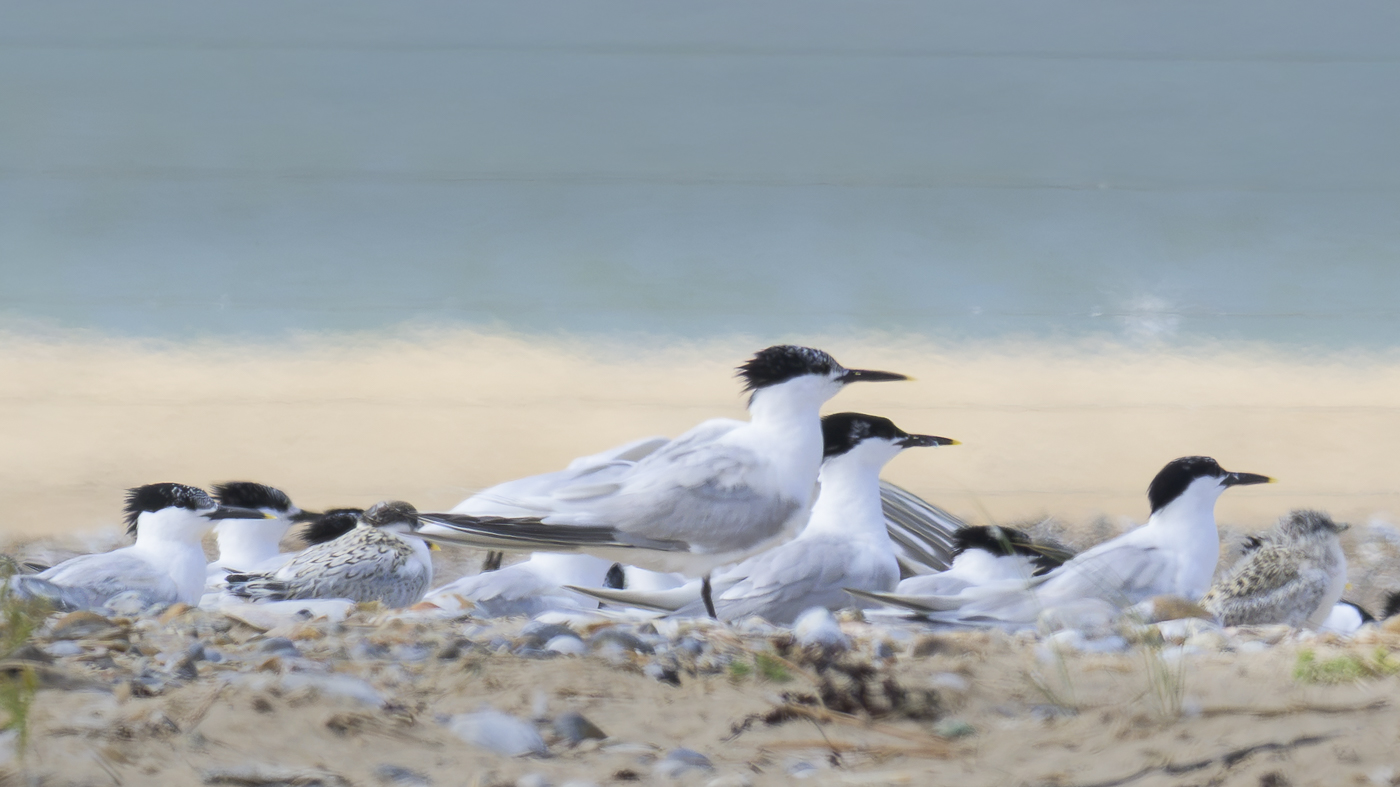
In an inspiring turn of events, seabird colonies along the UK coast are showing remarkable signs of recovery following years of challenges including avian flu, flooding, and erratic weather patterns. The National Trust has reported record-breaking breeding success for key tern species, raising hopes for the future of these vulnerable birds.
Record-Breaking Breeding Seasons
This year, the little tern colonies at Long Nanny on the Northumberland coast have thrived, with a staggering 126 pairs nesting — more than double the previous record set in 1994. Rangers have confirmed that at least 82 chicks have fledged, marking a significant milestone for the UK’s second-rarest breeding seabird. Lead ranger James Porteus emphasized the encouraging nature of this rebound, stating, “It’s incredibly encouraging to see the little tern colony responding so positively this year.”
Supportive Ecosystem at Blakeney Point
In addition, the Sandwich terns have made a triumphant return to Blakeney Point in Norfolk after a two-year absence, with 1,164 pairs recorded this season. The return and increase of these birds is attributed to effective conservation measures implemented in the area, including protective fencing and designated refuge areas, which have helped to bolster the breeding success of several seabird species.
Ongoing Conservation Efforts
While these developments are promising, experts from the National Trust remind us that vigilance is necessary. Arctic terns, for example, continue to face significant threats from climate change and habitat degradation. Despite a slight increase in nesting numbers this year, challenges remain, and the focus must remain on protecting these vital breeding sites.
Ben McCarthy, head of nature conservation for the National Trust, noted the record numbers of little terns and the rebound of Sandwich terns, stressing the importance of ongoing protection and management of these internationally significant breeding sites: “These results are particularly encouraging given the challenges seabirds have faced in recent years, from avian flu and extreme weather to wider pressures on the marine environment.”
Through dedicated conservation efforts and community involvement, these uplifting results signify a positive trend for seabird populations and demonstrate what can be achieved when we actively protect our natural world. As we witness this recovery, it’s vital to maintain our commitment to safeguarding these irreplaceable species for future generations.




