Surprising News About Polar Bears: Healthier Despite Climate Challenges
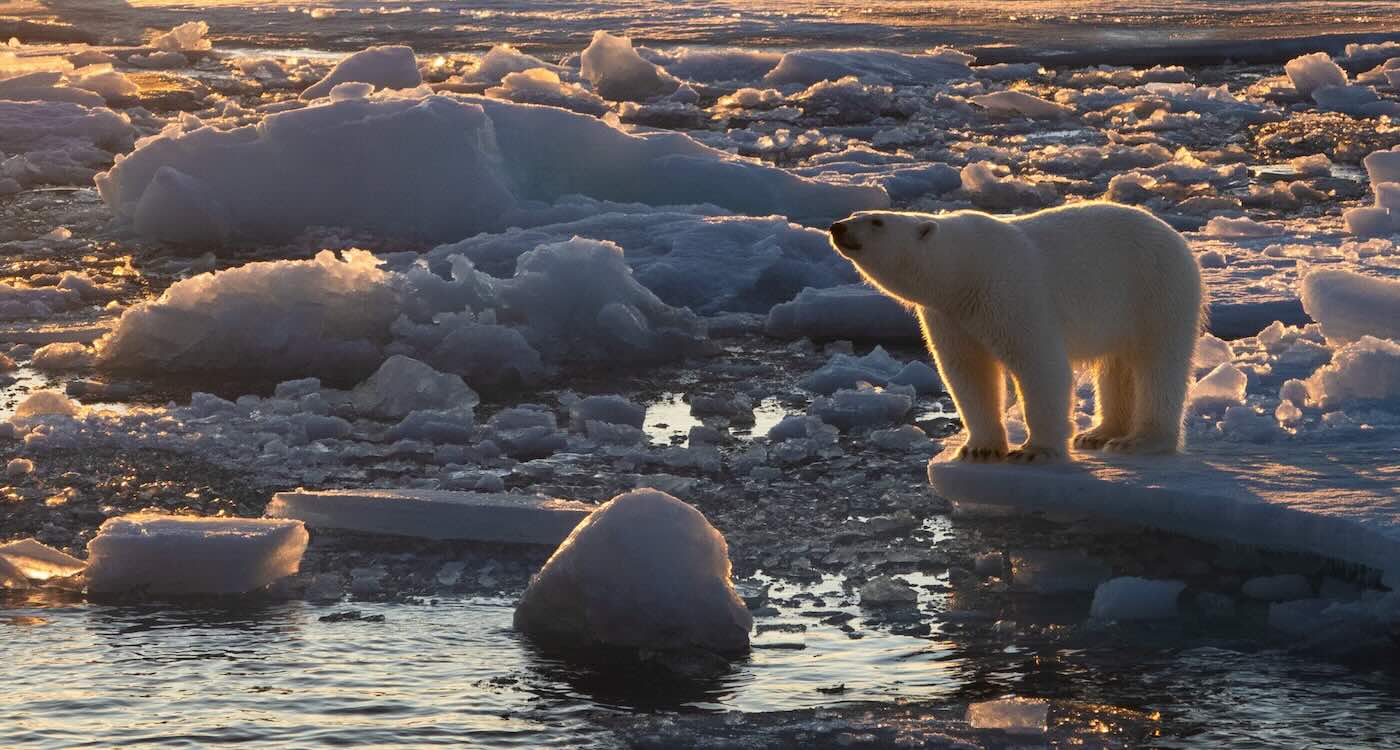
Recent research reveals an uplifting trend concerning polar bears around the Norwegian island of Svalbard. Contrary to widespread concerns about climate change and its detrimental effects on these iconic mammals, the findings indicate that polar bears are experiencing improved physical health compared to 25 years ago. This is noteworthy amid a backdrop of decreasing sea ice, presenting a complex image of resilience in nature.
Improved Health Indicators
Scientists have reported an increase in fat reserves among polar bears since the year 2000, despite declining sea ice levels. This surprising discovery, published in the journal Scientific Reports, highlights a population that, while dealing with the impacts of climate change, appears to be thriving in terms of its overall body condition. The study, conducted by Dr. Jon Aars and his colleagues, analyzed 1,188 body measurement records and found that the bears' condition improved even as the environment changed.
Adaptation and Recovery
One potential reason for this positive outcome may be the recovery of land-based prey sources, such as reindeer and walrus, which have historically faced over-exploitation. The research suggests that the loss of sea ice may have inadvertently concentrated prey such as ringed seals in smaller areas, making it easier for polar bears to hunt. This highlights a remarkable example of adaptation, where these animals are responding to their changing environment in ways that enhance their survival.
The Path Forward
While the current news is heartening, Dr. Aars warns that the future of the Svalbard polar bear population is precarious. Ongoing reductions in sea ice could present significant challenges, potentially increasing hunting distances and impacting the bears' ability to thrive. Further research will be essential in understanding how these majestic animals adapt to the continuously warming Arctic. It's a reminder of nature's complexity and its ability to surprise us even in the face of adversity.

