Small Fish Sparks Big Changes: Iowa's Remarkable Conservation Success
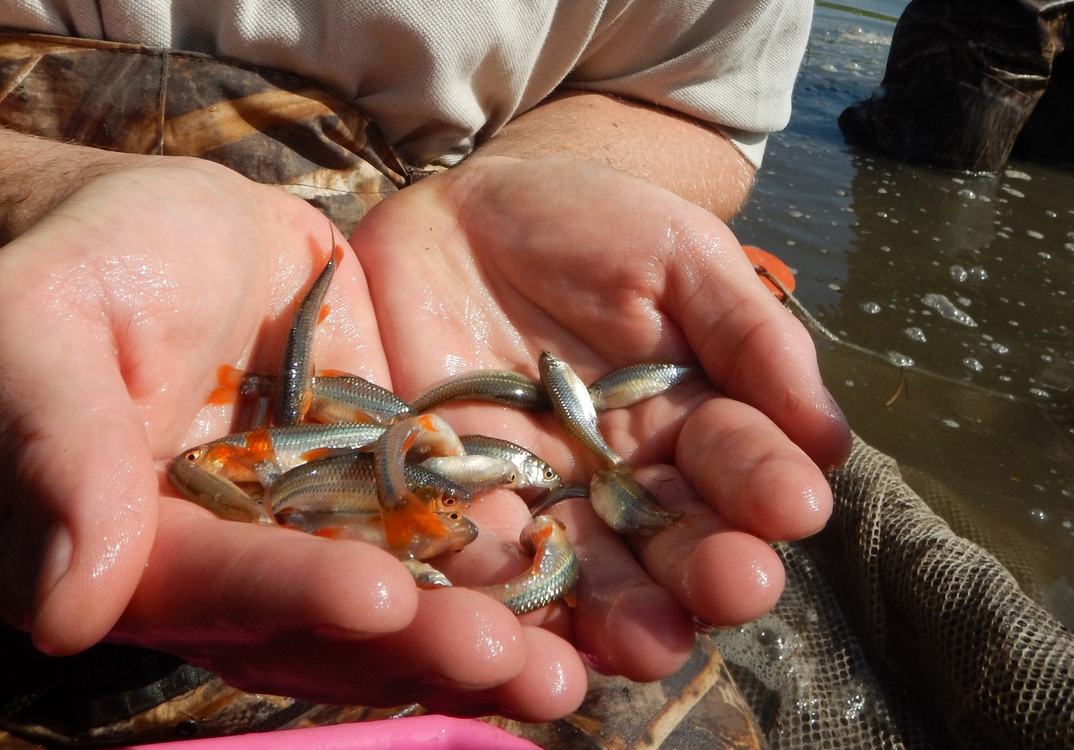
In a remarkable display of environmental restoration, the conservation efforts for the Topeka shiner, a tiny fish listed as federally endangered, have resulted in significant ecological benefits across Iowa. The small member of the minnow family has not only prompted the restoration of hundreds of oxbow lakes, but it has also played a crucial role in addressing larger issues of nutrient runoff in the state.
A Deep Dive into the Oxbow Restoration Project
The initiative began in 2000 when the US Fish and Wildlife Service partnered with the Iowa chapter of the Nature Conservancy to begin the vital process of restoring these historically vital wetlands. Over the years, heavy agricultural practices had contributed to the eradication of more than 10,000 oxbow lakes in Iowa, which were essential habitats for the Topeka shiner and other wildlife.
Ecological Impact and Community Involvement
Since the restoration efforts commenced, an impressive revival has been witnessed. As stated by Karen Wilke, associate director of freshwater at the Nature Conservancy, the program has evolved beyond mere fish conservation; it now plays a crucial role in enhancing water quality in the region. The project has not only succeeded in bringing back the Topeka shiner, which has been observed in 60% of the restored lakes, but it has also attracted a rich diversity of wildlife, including 57 fish species and 81 bird species.
A Model for Future Conservation Efforts
The financial backing of this ambitious project has come from a mix of private investments, state funds, and federal grants, ensuring that landowners are incentivized to participate without incurring losses. This collaborative approach has proven effective, with the Iowa Soybean Association joining hands to further bolster the restoration of more oxbows in the Boone River watershed.
Conclusion: Hope for Endangered Species
The resurgence of the Topeka shiner and the restoration of its natural habitat stand as a testament to the power of collaborative conservation efforts. With a recent review recommending the classification change of the shiner from “endangered” to “threatened,” this initiative reflects a success story not just for one species, but for entire ecosystems and the communities that benefit from them. It is a beacon of hope that underscores the importance and potential of dedicated environmental stewardship.

