Shining a Light on Progress: NASA's New Map Reveals Reduction in Light Pollution
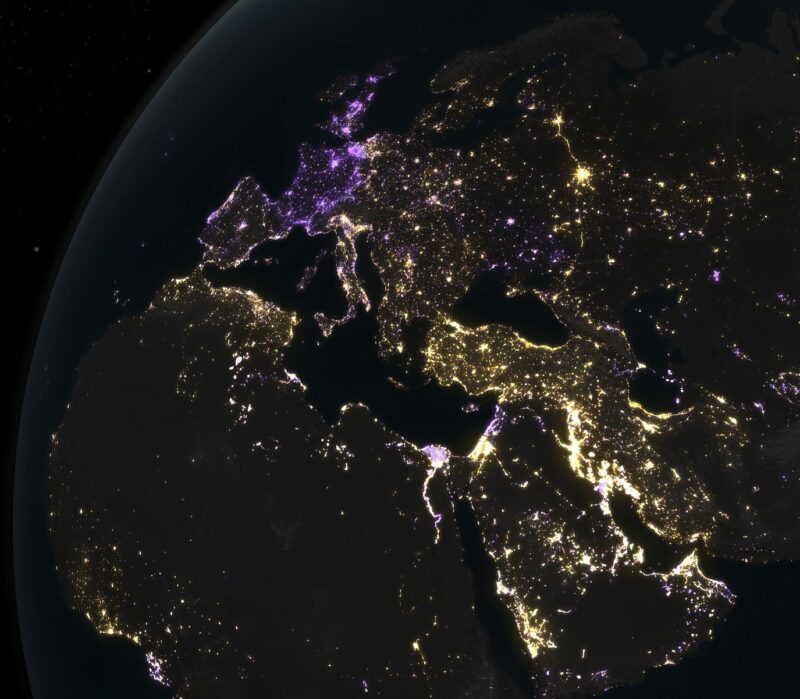
In an encouraging update, NASA's latest findings showcase a significant reduction in light pollution in various parts of Europe, signaling a collective effort towards improved energy conservation. Released on May 15, 2026, as part of its Black Marble project, the satellite imagery reveals long-term trends in global nighttime illumination.
Encouraging Trends Across Europe
The global maps indicate remarkable progress in several countries, particularly in France, where Paris has witnessed a 33% decrease in light pollution due to the implementation of energy-efficient LED lighting. Similar improvements were observed in the U.K. with a 22% reduction and the Netherlands by 21%. These figures suggest that concerted environmental efforts and public awareness campaigns can yield positive outcomes.
The Reversibility of Light Pollution
One of the key takeaways from NASA's research is the hopeful realization that light pollution is reversible. As communities adopt responsible lighting practices at home, like utilizing downward-facing lights, warm-colored LEDs, and motion detectors, we can take meaningful steps towards reducing our environmental footprint. This proactive approach empowers individuals and communities alike to contribute to the greater good.
Global Implications and Local Actions
While some regions have made significant strides, the overall analysis highlights a global increase in radiance by 34% from 2014 to 2022. Rapid urbanization in countries like China and northern India adds to this complexity. However, the findings urge a balanced perspective—one that recognizes both the challenges posed by rising light pollution and the viable solutions available.
Ultimately, NASA's maps not only illustrate the state of our planet's nighttime landscapes but also serve as a beacon of hope for future endeavors aimed at combating light pollution. With informed choices and community efforts, we can all play a role in protecting our night skies for generations to come.

