Revolutionizing Urban Life: A Glimpse into Clean, Green Cities of Tomorrow
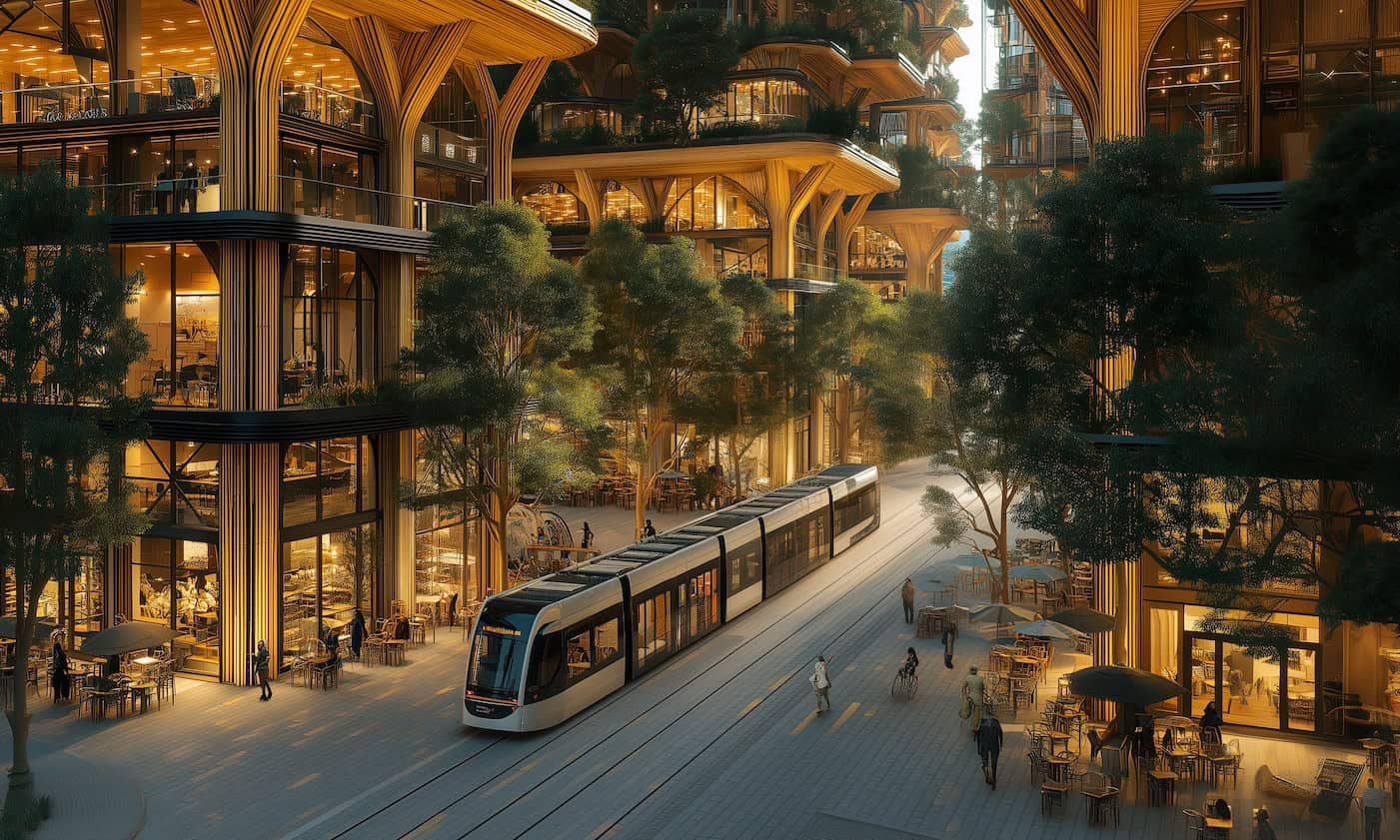
As cities around the world grapple with challenges of sustainability, a new vision for urban living is emerging that emphasizes livability, environmental responsibility, and resilience. This transformative concept, embodied in the proposed Forest City 1, paints an optimistic picture of what our urban areas could look like in the near future.
The Vision: A Sustainable Urban Oasis
Imagine towering wooden structures adorned with greenery, where the air is fresh and traffic noise is a thing of the past. In this future, autonomous robovans streamline transportation through dedicated paths, connecting neighborhoods effortlessly. Forest City 1, first envisioned by Joe Reeve and Shiv Malik, promises to create a new metropolitan area that prioritizes community and sustainability, addressing pressing housing and environmental needs.
Community-Centric Development
At the heart of Forest City 1 is a Community Land Trust model aimed at preserving affordability and empowering local residents. With 350,000 houses built and the average UK house price reduced by 4%, the project is set to give young professionals a fresh start while ensuring that living spaces are accessible. The city will generate its own energy through innovative solar and micro wind systems, marking a significant step toward energy independence.
Transforming Urban Spaces Globally
The success of urban reimagining is not limited to Forest City 1. Cities like Paris are leading the way in reclaiming public spaces for pedestrians and promoting cleaner air through pedestrianized routes. More than 300 'school streets' have been approved in Paris, aiming to enhance safety and health for children, proving that urban spaces can be both functional and enjoyable.
A Future of Green Infrastructure
As cities adapt to the increasing impacts of climate change, innovative approaches to water management and green infrastructure are taking root in places like Rotterdam. By creating parks that serve dual purposes - community spaces and temporary rainwater reservoirs - urban planners are proactively addressing extreme weather while enhancing public amenities. This eco-friendly mindset is being mirrored in cities worldwide as urban landscapes evolve towards sustainability.
Conclusion: The Path Forward
The vision for the urban future is not just aspirational; it is becoming a reality with growing support from various stakeholders, including governments and investors. As we look towards developing cities that foster community and sustainable living, the question remains: how quickly can we implement these changes? The groundwork is already being laid, and with continued advocacy and innovation, a greener, cleaner urban life could soon become the norm.

