Revolutionizing Science: The Power of Citizen Scientists in Australia
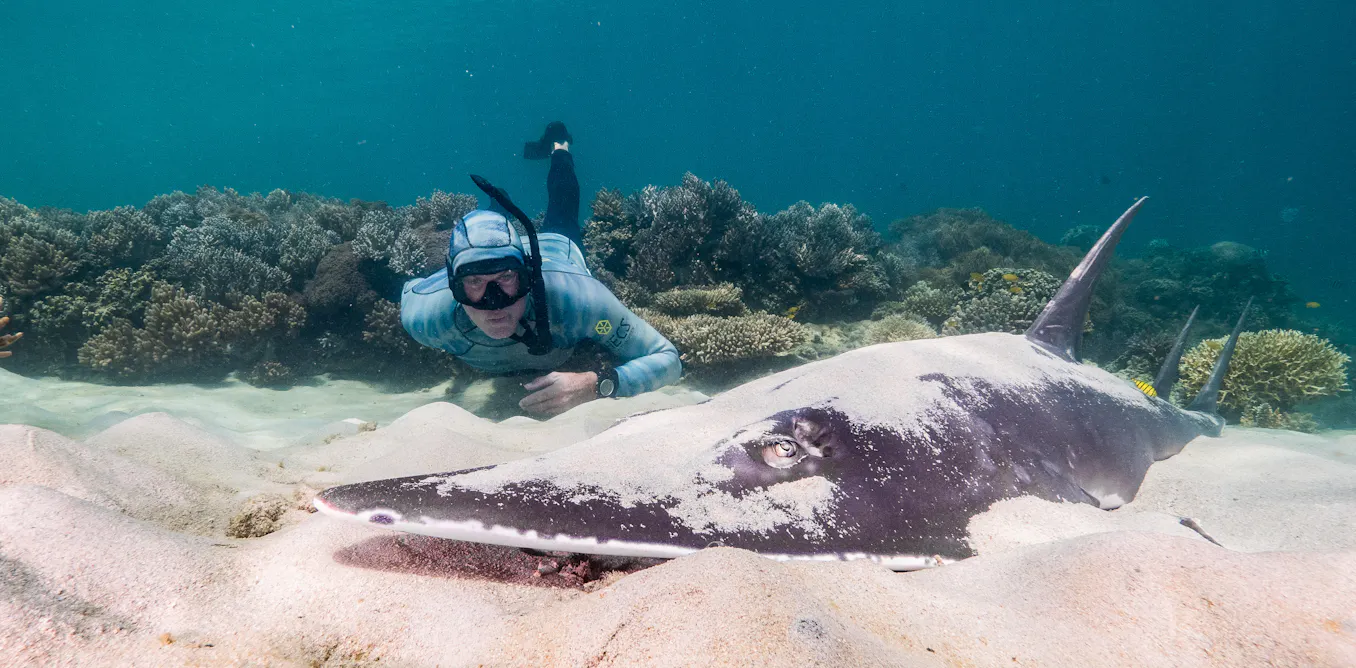
In an inspiring development for environmental research, recent estimates suggest that the number of citizen scientists in Australia could exceed one million. This marks a significant increase from previous estimates, highlighting the growing engagement of the public in scientific endeavors. From tracking species to analyzing ecological data, everyday Australians are stepping up to contribute to scientific knowledge and conservation efforts.
The Evolution of Citizen Science
Citizen science is not a new concept; it has roots dating back to influential figures like Charles Darwin and Ferdinand von Mueller, who harnessed the passion of amateur naturalists to advance scientific understanding. Today's citizen scientists operate in a more connected world, facilitated by technology that allows anyone with a smartphone to contribute valuable observations and data. This empowerment opens up science to the masses, promoting community involvement and collaboration.
Significant Discoveries and Contributions
Citizen scientists have made remarkable contributions throughout history. Notably, Victorian farmers identified the giant Gippsland earthworm in 1870, and more recently, community efforts led to the rediscovery of the bridled nailtail wallaby, presumed extinct. Recent discoveries, such as a unique coral meadow in the Great Barrier Reef found by citizen scientists Jan Pope and Sophie Kalkowski-Pope, demonstrate the invaluable insights that passionate individuals can provide.
A Call to Action for Environmental Engagement
Citizen science not only enhances scientific research but also fosters a sense of community and responsibility towards the environment. With less than $10 million allocated for citizen science by the Australian government, there is immense potential for growth. Engaged citizens are considered crucial players in addressing climate change, providing local insights that can lead to effective solutions.
As we move forward, it is essential to recognize and support the contributions of citizen scientists, who, together, are capable of bringing about meaningful change in our understanding of nature and our collective efforts toward preservation.

