Revolutionizing Science: How Citizen Scientists are Changing the Future
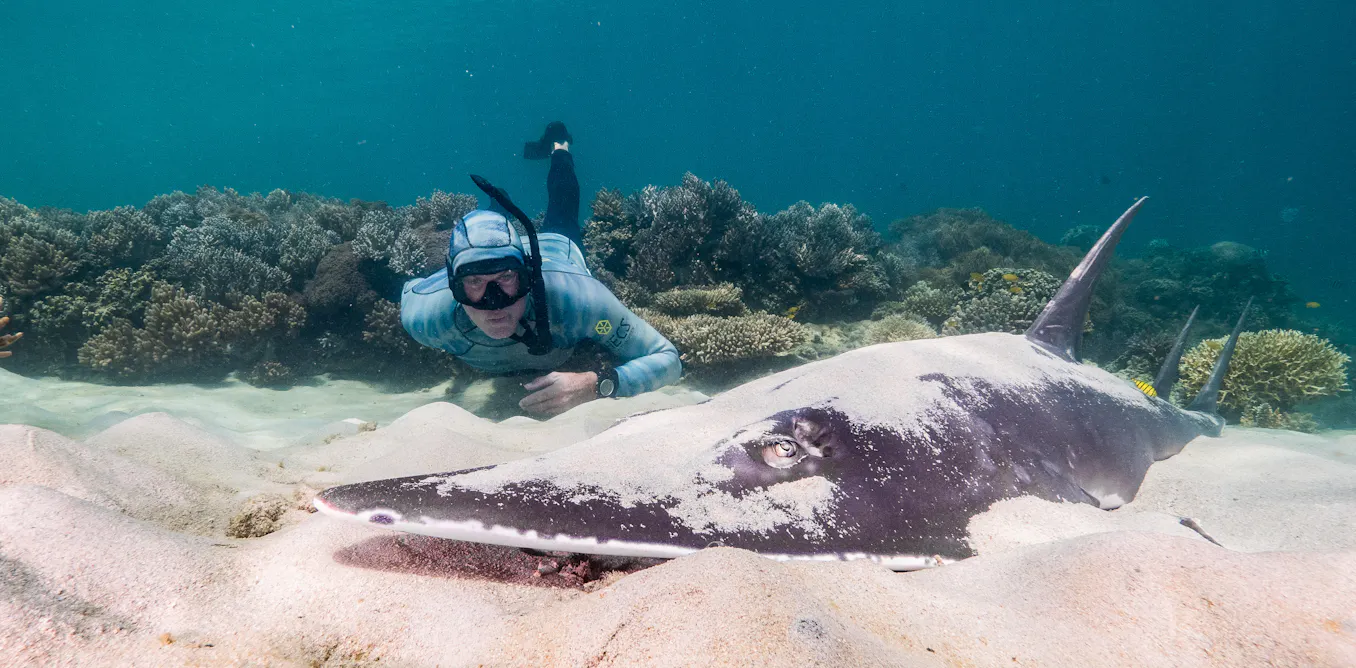
The landscape of scientific research is undergoing a significant transformation, as citizen scientists emerge as key players in the pursuit of knowledge and environmental conservation. Recent studies indicate that the number of citizen scientists in Australia may exceed a million, far surpassing earlier estimates. This surge reflects a growing movement where ordinary individuals contribute their time and skills to important scientific endeavors.
The Legacy of Citizen Science
Historically, citizen science has exemplified the potential of public engagement in research. Figures like Charles Darwin and Ferdinand von Mueller were pioneers in harnessing community interest and expertise to enhance scientific understanding. Today, thanks to technology and mobilization efforts, citizen scientists are poised to make discoveries that further our understanding of the natural world.
Recent Breakthroughs
Among the remarkable contributions from citizen scientists, the rediscovery of forgotten species stands out. Not only did amateur naturalists uncover the giant Gippsland earthworm in the 1870s, but more recently, volunteers have played pivotal roles in rediscovering flora and fauna thought to be extinct, such as the Wollemi pine and the bridled nailtail wallaby. In a particularly inspiring example, Jan Pope and her daughter recently discovered an extensive coral meadow in the Great Barrier Reef, showcasing the potential for citizen research to yield significant ecological insights.
The Power of Collaboration
Citizen science thrives on collaboration between the everyday observer and professional researchers, bolstering community engagement with scientific pursuits. Platforms like iNaturalist encourage individuals to report sightings of various species, which facilitates the collection of invaluable data that informs conservation efforts. As trust in the accuracy of this data grows, so too does the recognition of citizen science's value across multiple domains, including health, agriculture, and environmental science.
Challenges and Opportunities Ahead
Despite its proven impact, funding for citizen science remains limited, with only a fraction of national science budgets allocated to these grassroots efforts. However, the enthusiasm and dedication of the million citizen scientists involved signify a tremendous opportunity for expanding the scope of their contributions, particularly in addressing climate change. They are uniquely positioned to observe local ecological changes and support community initiatives aimed at environmental resilience.
A Call to Action
The rise of citizen scientists may very well represent a pivotal shift in how we approach scientific research and environmental stewardship. As we recognize the importance of bridging indigenous knowledge, community science, and traditional scientific methods, we enter an unprecedented era of collaboration and discovery. In the words of anthropologist Margaret Mead, it is crucial to remember that a small group of determined individuals can indeed change the world—proving that citizen science may just be the key to a more sustainable future.

