Revolutionizing Reality: The Groundbreaking British Sign Language Dating Show
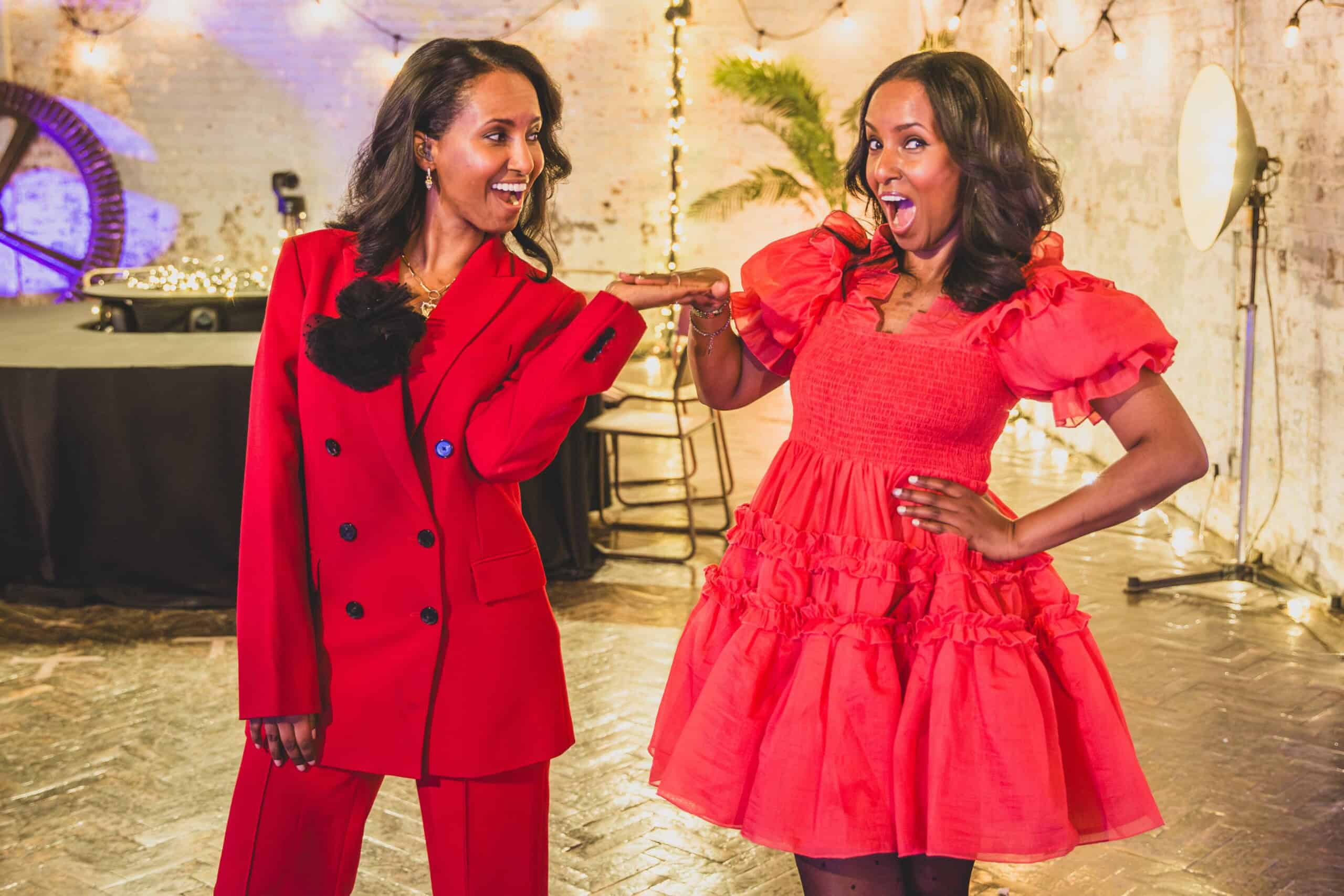
A pioneering new dating show titled "Hold My Hand" is making waves by being the first series entirely conducted in British Sign Language (BSL). This innovative program is not only focused on love and relationships but also aims to challenge misconceptions surrounding the deaf community while celebrating BSL as a rich cultural language.
A Shift Toward Inclusivity
Broadcast on Lumo TV, a platform specifically designed for the deaf community, "Hold My Hand" features contestants who are either deaf or children of deaf adults (Codas). The show is hosted by deaf identical twins Hermon and Heroda Berhane, who emphasize that the series goes beyond dating—it serves to showcase the vibrancy of deaf culture and identity.
Challenging Stereotypes
Statistics reveal that a significant portion of young adults, approximately 71% of 18- to 24-year-olds, feel uneasy when considering dating someone who primarily communicates using BSL. The Berhane twins aim to dismantle these stereotypes, encouraging a dialogue around the similarities between hearing and deaf individuals. As Heroda Berhane poignantly notes, “There’s no difference. We’re all the same. We’re human.”
Celebrating Connection
The first three episodes of the show include light-hearted games designed to foster open discussions about relationships and intimacy, showcasing that love, attraction, and vulnerability are universal experiences. Hermon highlights the necessity of understanding one another's languages, stating, “You speak the language that I cannot hear, and I speak a language that you don’t understand.” This sentiment speaks to the heart of what the show aims to achieve: connection.
Representation in Media
Moreover, "Hold My Hand" is part of a larger movement towards representation in media. A noteworthy upcoming storyline in the beloved children's show "Peppa Pig" features Peppa’s younger brother George being diagnosed as moderately deaf, an initiative developed in consultation with the National Deaf Children’s Society. Such portrayals are vital for the over 50,000 deaf children in the UK, providing them with the visibility they deserve in mainstream media.
This new wave of authentic representation and cultural celebration in entertainment serves as a beacon of hope for many. It reflects broader societal shifts towards inclusivity and understanding, making the world a more connected place for everyone.

