Revolutionizing Equine Health: Groundbreaking Study on Pergolide Treatment
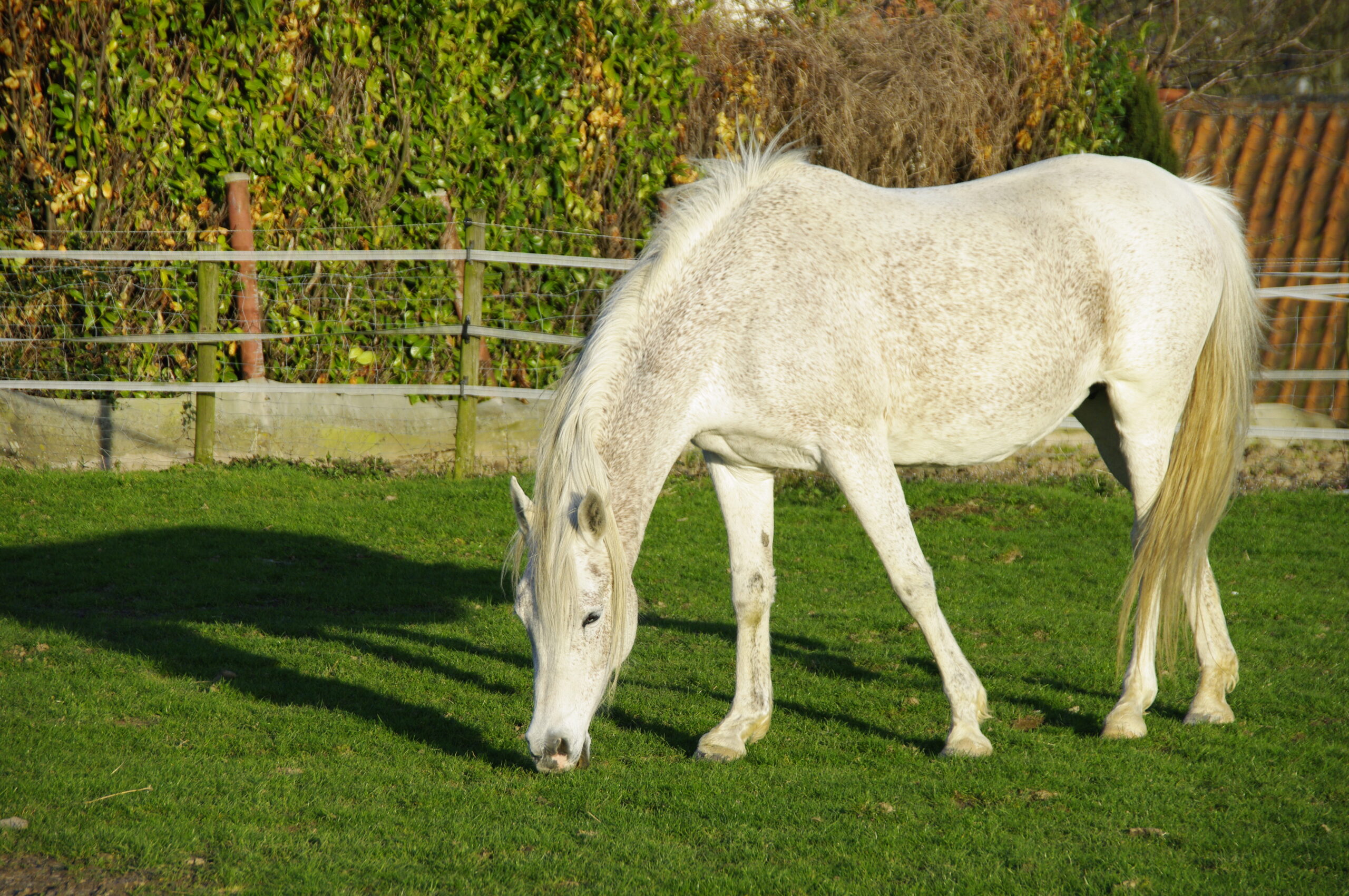
A recent significant study conducted by Michigan State University reveals promising results regarding the long-term management of pituitary pars intermedia dysfunction (PPID) in aging horses with the drug pergolide. This shows a positive turn for equine health, offering hope to many horse owners dealing with this challenging endocrine disorder.
Understanding Cushing’s Disease in Horses
PPID, commonly referred to as Cushing’s disease, results from hormonal imbalances linked to an overactive pituitary gland. It presents several complications in horses, including difficulty shedding hair, muscle wasting, and an overall reduction in immune function. Since the FDA’s approval of pergolide for treating PPID in 2011, this research marks a critical step in evaluating its long-term efficacy.
Positive Outcomes for Horses in the Study
The study enrolled 30 horses to explore both the medication's adverse effects and its overall clinical benefits. Over the years, researchers observed notable improvements in the horses’ health. Remarkably, by the five-year mark, all horse owners reported consistent improvements in their animals’ clinical signs, and nearly 60 percent of the horses showed normal endocrine test results.
Dr. Hal Schott, who headed the project, shared insights about the parallels between PPID in horses and Parkinson’s disease in humans, indicating that while the disease is progressive and lacks a definitive cure, treatment can significantly enhance the quality of life. Notably, 57 percent of the horses involved experienced improvement in specific symptoms like shedding and muscle wasting.
Findings and Future Implications
An encouraging highlight of the study was the absence of any sign of drug resistance among the horses throughout the decade-long treatment. The findings imply that the standard dosage of pergolide remains effective long-term for many horses, which is a departure from common assumptions about necessary dosage increases.
Moreover, the study emphasized the safety and efficacy of pergolide, with a staggering 96 percent of horse owners agreeing that the drug substantially improved their animals' lives. This bodes well for the future application of pergolide in treating other horses with PPID, offering keen insights into the drug's long-term benefits and safety.
Conclusively, as the research unfolds, it reinforces the importance of ongoing studies in veterinary medicine that seek to improve the lives of aging horses, providing hope and improved management strategies for those faced with chronic conditions.

