Revolutionizing Bird Feeding: A New Approach for a Healthier Garden Ecosystem
The recent findings from the UK's largest garden wildlife survey, the Big Garden Birdwatch, have unearthed some unexpected yet hopeful insights into the health of our feathered friends. With participation exceeding 650,000 citizens and over nine million bird sightings, this initiative reminds us of our vital connection with nature and the role we can play in its preservation.
Protecting Our Garden Birds
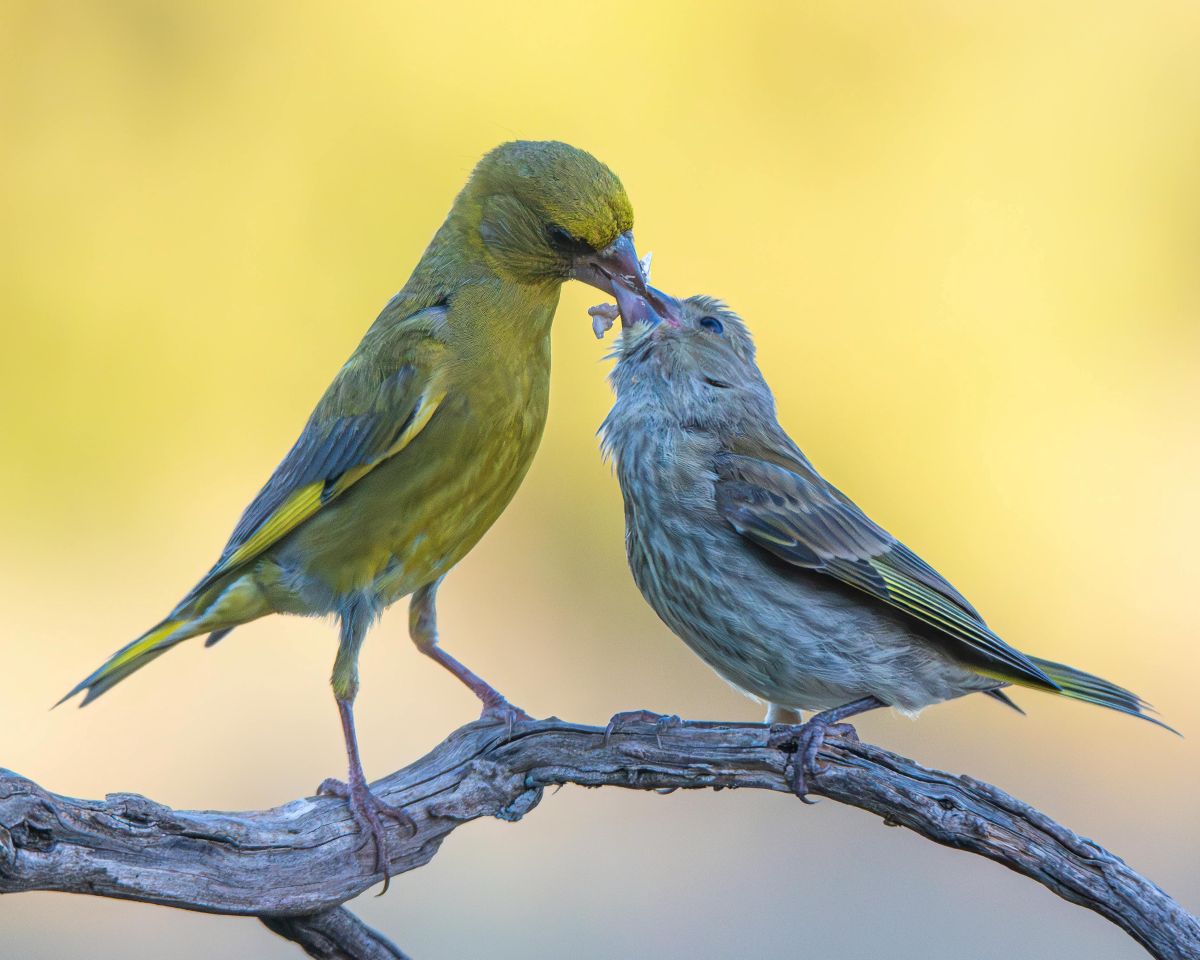
While the survey results highlighted the struggle of species like the greenfinch, which is now on the endangered list due to disease, they also revealed the essential actions we can take to support bird populations. From the Royal Society for the Protection of Birds (RSPB), new science-led guidance offers a pathway forward. It emphasizes the importance of safe and seasonal bird feeding, aiming to mitigate the risks associated with diseases such as trichomonosis that have been detrimental to bird health.
Hands-On Solutions for Gardeners
Fortunately, there are uplifting methods to support bird life without relying solely on feeders. By gardening in a wildlife-friendly manner, we can create habitats that naturally attract birds. Planting a variety of flowers, berry bushes, and native fruit trees not only provides nourishment but also enriches the ecosystem. These natural food sources contribute to a balanced environment, benefiting both birds and gardeners alike.
Community Engagement and Responsibility
Beccy Speight, chief executive of the RSPB, highlights the importance of community involvement in preserving our bird populations: “Feeding birds is something millions of us love and value. We’re not asking people to stop feeding, just to feed in a way that protects birds’ long-term health.” This call for small but impactful changes emphasizes that collective efforts can sustain garden feeding as a positive influence for nature.
As we engage with nature, let us adopt practices that not only nurture bird life but also foster a greater awareness of wildlife’s challenges. By being mindful and proactive, we can ensure that our gardens become havens for birds, enriching our environment and enhancing our connection to the natural world.

