Revolutionary Study Shows How Playing Tetris Can Help Heal Trauma
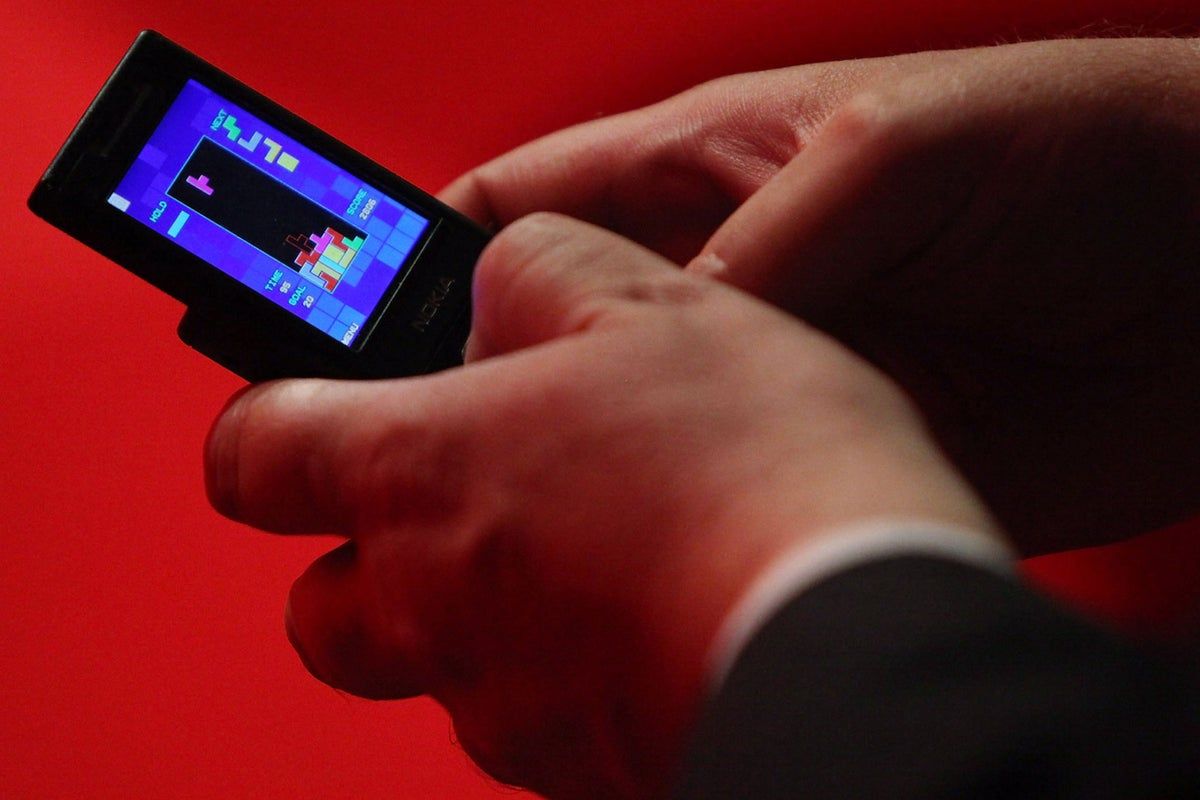
A recent study has unveiled an innovative and promising approach to alleviating distressing memories following trauma: playing the classic video game Tetris. Researchers found that health workers, who engaged in this beloved puzzle game as part of their treatment regimen, experienced a remarkable reduction in flashbacks.
Breakthrough in Trauma Treatment
Conducted by a collaborative team of researchers from the UK and Sweden, the study involved 99 NHS staff members who encountered traumatic events during the Covid-19 pandemic. Of these participants, 40 engaged in a novel treatment known as imagery competing task intervention (ICTI), which required them to play a slower version of Tetris. This intervention not only proved to be enjoyable but also effective in addressing mental health struggles.
During the Tetris gameplay, participants were prompted to recall a traumatic memory briefly and then visualize the Tetris grid and its falling blocks. This technique is thought to weaken the vividness of intrusive memories by occupying the brain's visuospatial areas, redirecting focus from the distressing experience.
Impressive Results and Future Prospects
The findings published in The Lancet Psychiatry illustrate that those who participated in the ICTI treatment reported ten times fewer flashbacks compared to their counterparts who received traditional treatment methods. Remarkably, after six months, 70 percent of these individuals reported having no intrusive memories at all, showcasing the efficacy of this straightforward intervention for mitigating the effects of post-traumatic stress disorder (PTSD).
Emily Holmes, a professor of psychology at Uppsala University and lead investigator of the study, articulated her excitement about the breakthrough, emphasizing the intervention's accessibility and practicality for individuals in increasingly stressful environments. She noted, “It is much more than just playing Tetris; it’s a crucial step toward supporting mental wellbeing.”
An Exciting Future for Mental Health Interventions
Charlotte Summers, from the University of Cambridge, highlighted the significance of this scalable intervention, especially for healthcare workers regularly exposed to traumatic incidents. This innovative approach could promote the wellbeing of professionals who care deeply for others.
As the research team begins to explore larger and more diverse testing groups, opportunities for further development of the ICTI methodology are on the horizon. Tayla McCloud from Wellcome expressed optimism about the initiative, noting its unique ability to transcend language barriers and remain user-friendly, making mental healthcare more accessible to all.
With these encouraging results, the future looks promising for deploying simple yet transformative interventions like ICTI to support those healing from trauma.

