Revolutionary Study Highlights Benefits of Pergolide for Aging Horses
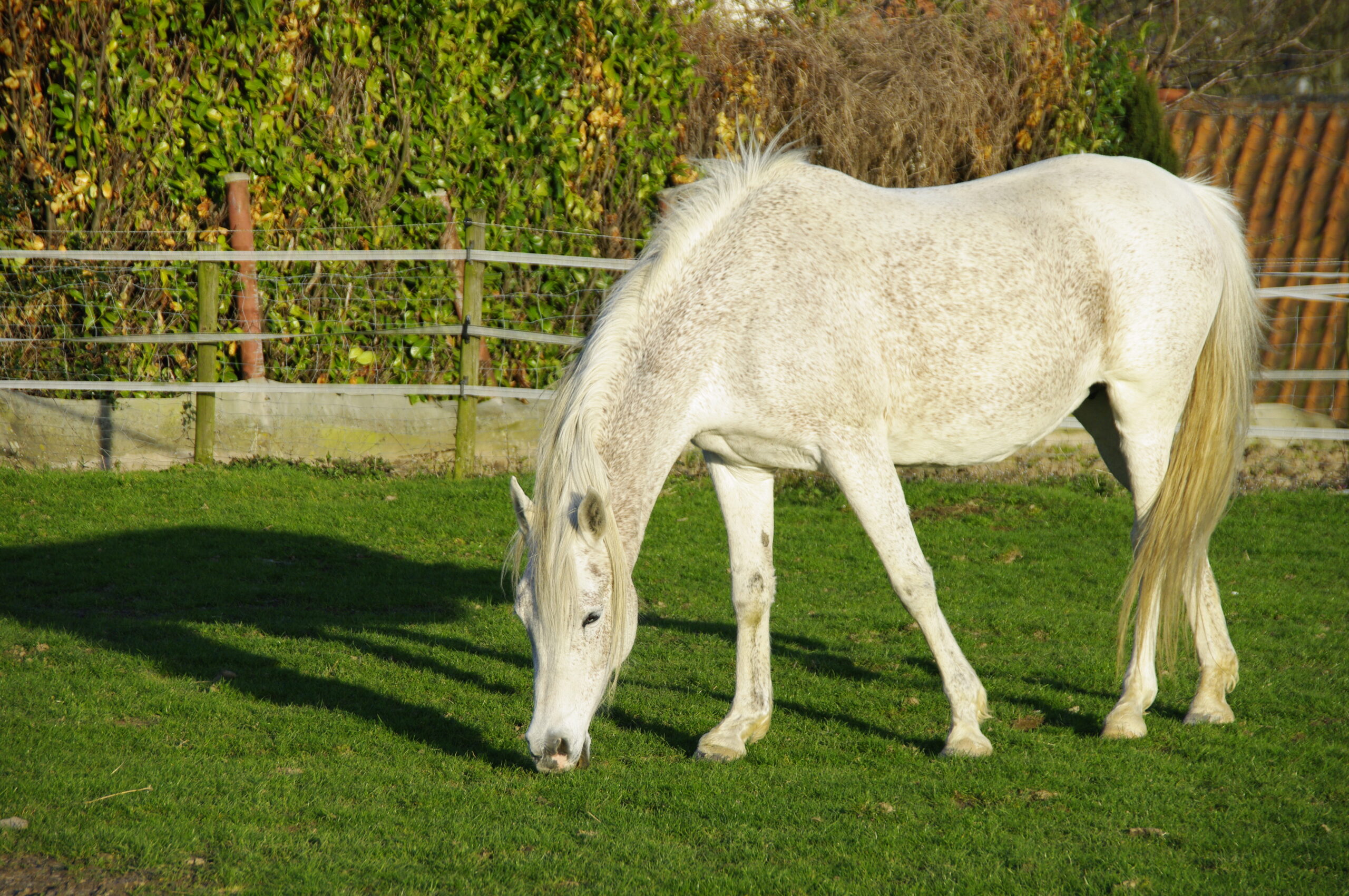
A recent 15-year study from Michigan State University has shed light on the long-term management of pituitary pars intermedia dysfunction (PPID), a common endocrine disorder in aging horses. This groundbreaking research highlights the benefits of the drug pergolide, which was approved by the FDA for use in horses in 2011.
Insights from a Comprehensive Clinical Trial
The study focused on 30 horses suffering from PPID, also known as Cushing’s disease, which results from hormonal imbalances due to an overactive pituitary gland. These horses underwent regular health assessments and blood tests. One of the most noteworthy aspects of the study was that the medication was provided at no cost to the horse owners, making it an invaluable contribution to equine health research.
Promising Improvements Observed
At the five-year mark of the study, all participating owners reported consistent improvements in the clinical signs of their horses. Remarkably, nearly 60% of the horses showed normal endocrine test results. Dr. Hal Schott, who led the study, emphasized that while no drug is entirely effective, the improvements noted in shedding and muscle wasting among 57% of the horses signify a significant impact of the treatment.
Effective and Safe Treatment Option
A critical positive outcome from the study was the lack of resistance to pergolide among the horses. Half of the surviving horses remained on the same dose after a decade, which defied expectations that dosage levels would have to increase over time for continued effectiveness. Additionally, owners expressed overwhelming support for the drug, with 96% believing it had enhanced their horse's quality of life.
The findings from this comprehensive long-term study solidify pergolide's role as a beneficial medication for managing PPID in horses, ensuring that these animals can maintain a better quality of life as they age. The research not only benefits the equine veterinary community but also provides hope and assurance to horse owners facing the challenges of managing chronic conditions in their beloved pets.

