Revolutionary New OLED Technology Set to Make Displays More Affordable
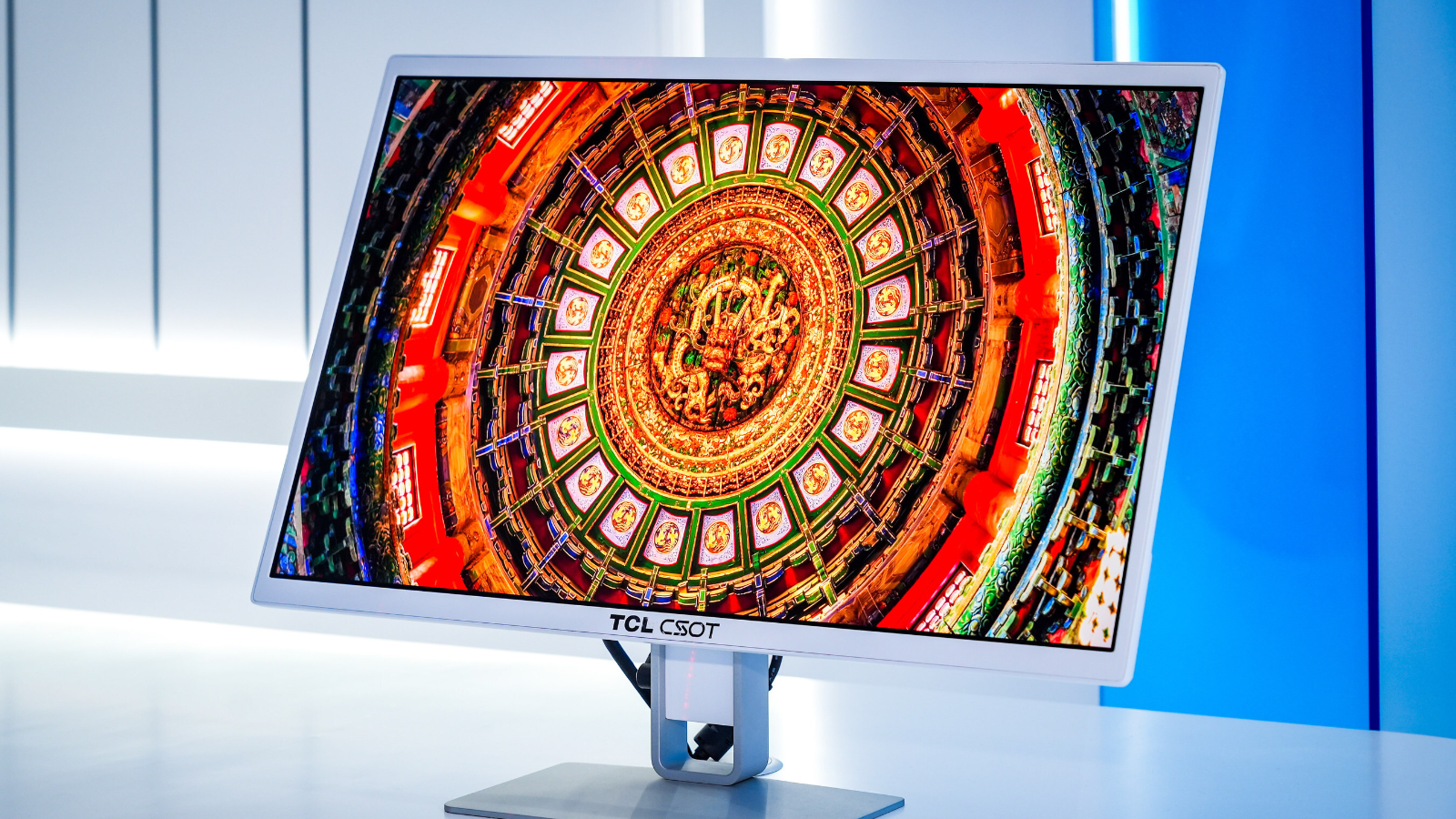
Exciting developments are on the horizon in the world of display technology, as a new report highlights the potential for inkjet-printed OLED screens to significantly reduce production costs. This innovation promises to not only enhance the efficiency of manufacturing but also make high-quality displays more accessible to consumers.
Cost-Effective Production
According to display analysts Omdia, the traditional Fine Metal Mask (FMM) production method for OLED screens is set to face stiff competition from inkjet printing, which could lead to a price decrease of 30 to 35%. For tech enthusiasts, this spells good news as it may pave the way for more affordable laptops, smartphones, and in-car displays in the near future, benefiting a wide range of consumers.
Enhancing Manufacturing Efficiency
Furthermore, the transition to inkjet printing is expected to yield more panels per substrate, with a reported increase of 10% for 16.3-inch OLED laptop displays compared to the current FMM processes. This efficiency, coupled with a lower initial investment for manufacturers, could drive a transformative shift in the display industry.
Future Innovations and Lifespan Improvements
While the new technology is still developing, it has already shown remarkable progress. For instance, improvements in the lifespan of blue OLED pixels manufactured with the inkjet process have skyrocketed from just 40 hours in 2020 to an anticipated 400 hours by late 2025. In addition to lifespan enhancements, research is focused on reducing power consumption, which has already decreased by one-third.
An Industry-wide Investment Surge
The investment in this sector is palpable, with companies like TCL CSOT committing substantial resources—around $4 billion—to their advanced facilities. The goal remains not only to produce smaller devices but eventually larger panels for televisions, with mass production expected to begin in late 2027.
This wave of innovation in OLED technology is a promising sign for the consumer electronics market, hinting at a future where high-quality displays are not only within reach but also economically viable. As manufacturers continue to face challenges, rapid advancements suggest that the dawn of affordable, high-performance displays is closer than ever.

