Revolutionary Inkjet Printing Set to Make OLED Displays More Affordable
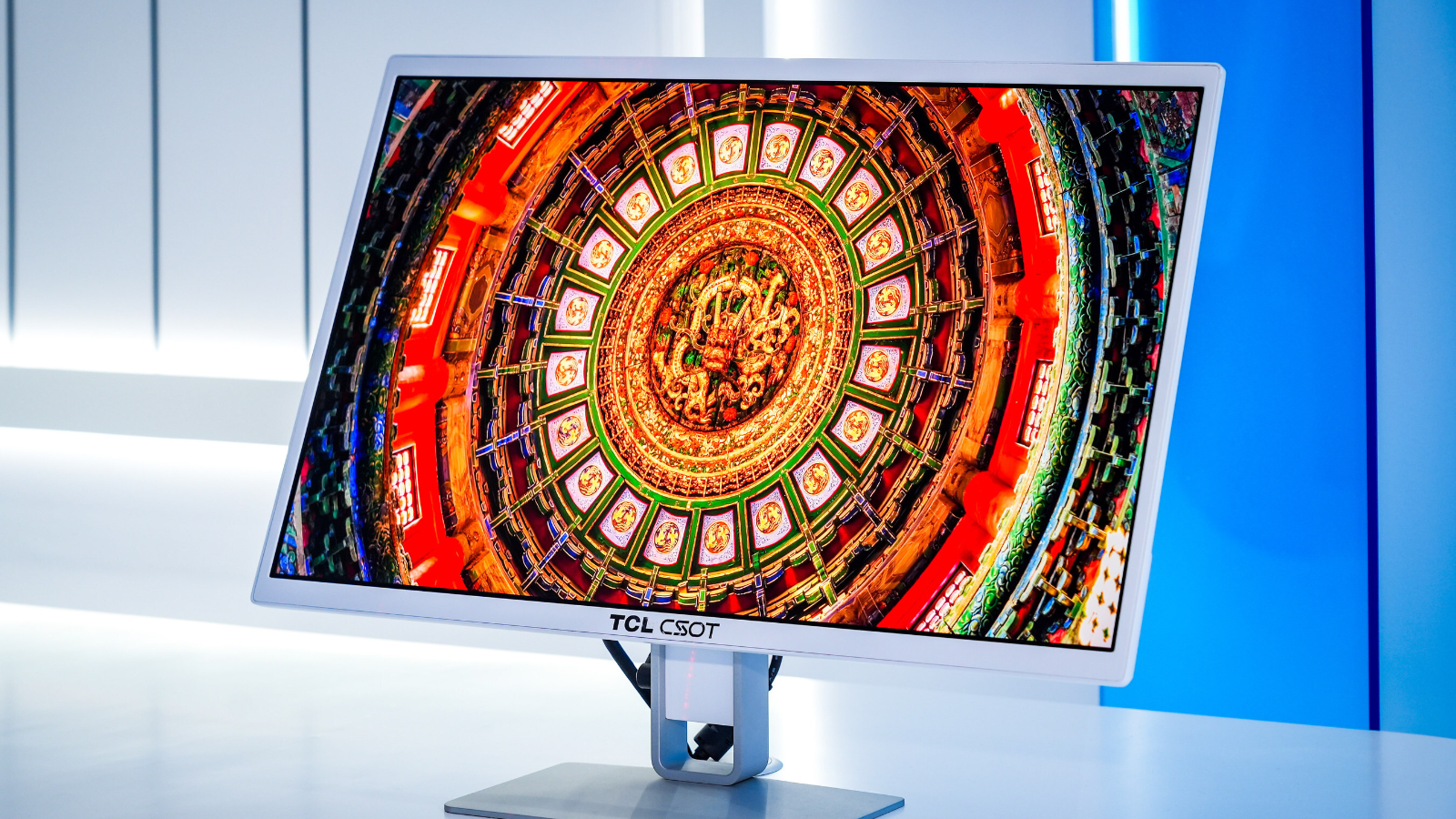
The landscape of display technology is on the brink of a significant transformation with the anticipated arrival of inkjet-printed OLED screens. A recent report suggests that this innovative production method could potentially slash the costs of OLED manufacturing, making high-quality displays more accessible to consumers.
Cost-Effective Production Techniques
Traditionally, the dominant production technique for OLED displays has been Fine Metal Mask (FMM), which, while effective, is relatively expensive. Analysts from Omdia predict that inkjet printing will lower production costs by 30 to 35 percent compared to FMM. This reduction in cost is not just a win for manufacturers but also represents good news for consumers, as it paves the way for more affordable devices, from laptops to televisions.
Efficiency and Advances in Technology
In addition to cost savings, inkjet printing promises increased efficiency in manufacturing. For example, when it comes to 16.3-inch OLED laptop screens, manufacturers could produce ten percent more panels from a single substrate compared to traditional FMM methods. This capability, combined with significant investments—such as TCL's $4 billion commitment towards its new plant in Guangzhou—indicates a robust industry focus on enhancing the production and quality of OLED technology.
Future Prospects and Innovations
Despite promising advancements, challenges remain, particularly concerning the longevity and power consumption of blue OLEDs produced via the inkjet process. However, notable improvements have been reported, with TCL managing to enhance the lifespan of its blue pixels from a mere 40 hours to an impressive 400 hours by the year 2025. Such advancements underscore the rapid evolution of display technologies.
Looking ahead, the potential for inkjet-printed OLEDs could revolutionize the way consumers interact with screens. With mass production expected to begin as early as late 2027, the future seems bright for more affordable and efficient OLED displays.

